
How to Detect a Water Leak in the Wall and What to Do Next
Water leaks inside walls can do significant damage before you even notice. If a small, hidden leak is ignored for an extended period of time, it can cause mold development, wall stains, and even structural damage. Knowing how to detect water leak in wall early can save you a lot of work, money, and stress in the long run. In this tutorial, we’ll look at practical methods for detecting hidden leaks, the tools used by specialists, and what causes these problems—as well as how to prevent them from recurring.
How to Detect a Water Leak in the Wall
Finding a hidden leak may appear difficult, but with a little attention to detail, you can typically identify the warning signals before things get out of hand.
Check Moisture Levels With a Meter
A moisture meter is a homeowner’s best friend when it comes to how to detect water leak in wall. Simply push it against the wall, and it will alert you if the area is particularly damp. It is particularly handy in bathrooms, kitchens, and laundry rooms, where plumbing runs behind the walls.
Turn Off the Water Supply and Observe the Meter
If you suspect a water leak in the wall, turn off all taps and water-using equipment. Then check your main water meter. Even if everything is turned off, water will escape somewhere. This brief test can reveal if a hidden problem exists.
Listen for Dripping or Hissing Sounds
Sometimes you only need your ears. In a quiet environment, you may notice mild dripping or hissing inside the walls. Even when no visible wetness is present, these sounds frequently indicate leaking pipes.
Inspect Baseboards and Flooring for Warping
Water tends to move downward. So, if your baseboards or flooring begin to warp, bubble, or split, there is a significant probability of a water leak in the wall above or behind them. Addressing it early can save you from having to replace entire areas of flooring later.
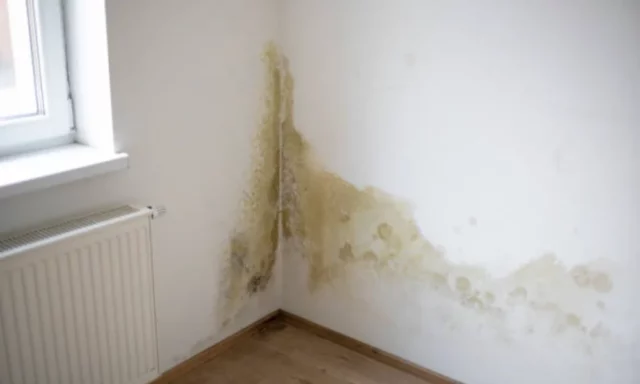
Look for Damp or Discolored Wall Patches
Dark or reddish stains on drywall are one of the most obvious red flags. They often indicate that water has been soaking into the wall for days or weeks. Don’t just paint over it; discover the source first.
Search for Mold Growth or Musty Odors
If your home suddenly smells earthy or musty, there could be hidden mold. Mold likes wet environments, and if you discover it near a specific wall, it’s a sure sign. This is another clear indicator of a water leak in the wall that requires immediate care.
Look for Bubbling or Peeling Paint
When moisture accumulates behind painted surfaces, the paint loses its grip. You can notice bubbles, peeling, or cracks. Don’t disregard these; they typically indicate that moisture is trapped inside.
Check for Unexplained Increase in Water Bills
If your water bill increases despite the fact that your usage has not increased, your wallet is most likely trying to tell you something. A hidden leak consumes lots of water without you knowing it.
What Tools Do Professionals Use to Find a Water Leak Behind a Wall?
Sometimes the signs are not visible or obvious. Professionals step in with specialized technologies to swiftly and correctly detect concealed leaks.
Moisture Meters
Plumbers use specialized moisture meters to determine how damp a wall is. They can detect locations with excessive moisture in seconds.
Infrared Cameras
Infrared or thermal cameras detect temperature fluctuations in walls. Because dripping water cools surfaces, these cameras can instantly reveal cold, moist places that are not visible.
Acoustic Leak Detectors
These high-tech gadgets can detect even the tiniest noises of water moving within pipelines. They’re extremely helpful in learning how to detect water leak in wall without opening up the structure.
Thermal Imaging Systems
Thermal imaging goes a step further by detecting leaks behind thick walls or beneath floors. It is a popular strategy among professionals for accurate detection.
What Causes Water Leaks Inside Walls
Understanding why leaks occur allows you to prevent them from happening again.
Leaking Pipes or Loose Fittings
The most prevalent cause is plumbing. Over time, pipes loosen, rust, or split, allowing water to seep into your walls.
Damaged Roof Flashing or Gutters
If the roof flashing or gutters are compromised, rainwater might seep in. Once inside, it seeps down through the walls, causing hidden damage.
Faulty Window Seals or Caulking
If you see leaks around windows, worn-out seals could be the cause. Water leaks through small holes and accumulates behind the walls.
Burst Pipes From Freezing Temperatures
In colder places, frozen water expands and ruptures pipelines. When the ice melts, you’re left with an ongoing, damaging leak.
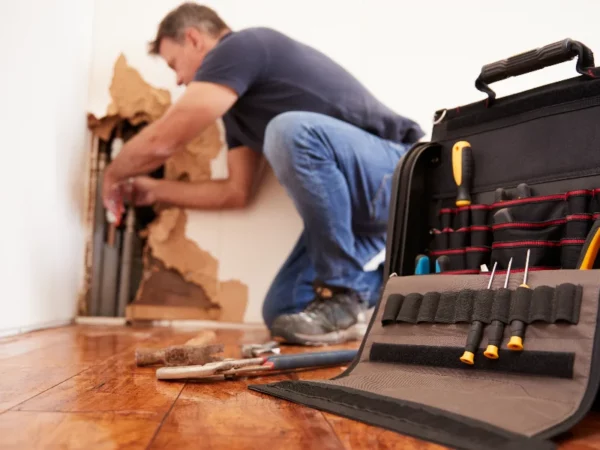
How a Professional Plumber Fixes Water Leaks Inside a Wall
Once the source is found, fixing it involves several key steps.
1. Identify the Source of the Leak
Even When the Leak Originates From Hidden Plumbing Lines
Professionals employ diagnostic instruments to pinpoint the specific leak location without pulling down entire parts of the wall.
Even When You Suspect Multiple Leaks or Pipe Corrosion
They also check for other weak spots to prevent future issues.
2. Repair or Replace the Damaged Section
Pipe Patches or Couplings for Minor Leaks
If the damage is minor, plumbers can repair it using patches or couplings.
Replacing Sections of Pipe for Major Leaks
Severely corroded or damaged pipes are completely replaced to ensure long-term protection.
3. Address Any Mold or Structural Damage
Treating Mold and Reinforcing Weak Areas
Mold is cleansed and disinfected, and any soft or rotting elements are strengthened or replaced.
4. Dry and Restore the Wall
Fans or Dehumidifiers
The area has been completely dried to prevent future harm.
Replacing Damaged Drywall and Insulation
Finally, the wall is restored to its original condition.
Preventing Future Water Leaks in Walls
Prevention is usually preferable to repair, particularly in the case of water damage.
Regularly Inspect Plumbing Lines
Every few months, check visible pipes for corrosion or drips.
Maintain Proper Insulation Around Pipes
Insulated pipes are less prone to freezing and bursting in cold weather.
Seal Cracks Around Windows and Roof Edges
A fast caulking procedure can prevent rainwater from entering your walls.
Schedule Routine Plumbing Inspections
An annual checkup by a plumber can detect minor problems before they become costly disasters.
Wrapping It Up: Don’t Let a Hidden Leak Drain Your Peace
A water leak in wall is like a silent enemy—out of sight but highly destructive. By knowing how to detect water leak in wall, you can catch the problem before it spreads. In case you notice any warning signs or suspect water seeping through your bricks, don’t wait to act. Even if you’re unsure how to stop water leaking through brick wall, a professional plumber can pinpoint and fix the issue fast.
When in doubt, call the pros at Anton Plumbing Heating & Cooling. Their professional technicians specialize in leak detection and repair in East Brunswick, New Jersey. Visit Anton Plumbing HVAC today or call to schedule an inspection and eliminate leaks before they cause significant harm.