How to Stop Dripping Noise From an Air Conditioner
That constant drip…drip…drip from your AC can drive you crazy, especially at night. If you’re trying to deal with stopping dripping noise from the air conditioner, you’re not alone, and it’s rarely just about the sound. It can point to hidden issues like clogged drains or airflow problems. Ignore it, and you risk bigger damage. In this guide, you’ll learn what’s causing the noise, when it’s normal, and how to fix it the right way.
Is It Normal for an Air Conditioner to Drip Water?
Yes, air conditioners naturally produce water during operation, but the amount and behavior of that water determine whether it is normal or a concern. While condensation forms as part of cooling, excessive dripping, indoor leaks, or hearing water dripping in your air conditioner continuously may point to airflow issues, drainage problems, or component wear. Understanding the difference helps you act early and avoid costly repairs.
When It’s Normal
Normal Condensation Process
Your AC is designed to remove moisture as it cools your home. Warm air passes over the evaporator coil, where humidity condenses into water and drains through the condensate line. HVAC professionals consider light outdoor dripping a normal byproduct of this heat exchange process, as long as the drainage system is clear and functioning properly.
High Humidity Conditions
When humidity levels rise, your system naturally pulls more moisture from the air. This leads to increased condensation, especially during extended cooling cycles in peak summer or monsoon conditions. While this may result in more noticeable dripping outside, it remains normal unless water starts collecting indoors or drainage slows down.
When It’s a Problem
Excessive Dripping or Indoor Leaks
If you notice water dripping from your air conditioner vent, it is not part of normal operation. In real HVAC inspections, this usually points to a clogged condensate line, damaged drain pan, or restricted airflow. When water cannot drain properly, it backs up and leaks into ceilings or walls, which can lead to mold growth as well as long-term structural damage if ignored.
Persistent Dripping Noise
A constant dripping sound inside your home usually means water is not reaching the proper drain outlet. Instead, it may be hitting internal components or collecting in unintended areas. HVAC technicians often trace this to partial blockages or improper unit leveling, both of which disrupt the designed drainage path and create ongoing noise issues.
How to Stop Dripping Noise From an Air Conditioner
Stopping dripping noise from the air conditioner begins with understanding how moisture is supposed to move through your system and where that process is breaking down. When drainage flow slows or airflow becomes unbalanced, water starts collecting in places it shouldn’t, which leads to noise. You also need to consider system age, installation quality, and maintenance history, as these directly affect how efficiently condensation is handled. Addressing the root cause, not just the sound, helps prevent repeat issues and protects your AC’s overall performance.
Identifying the Source of the Noise
Condensation Drain Issues
The condensate drain line carries water away from your AC. When it clogs due to dirt, algae, or debris, water backs up and creates dripping sounds inside the unit.
Clogged or Dirty Air Filters
Dirty filters restrict airflow, which causes uneven cooling. This can lead to excess condensation, increasing the chances of dripping and noise.
Frozen Evaporator Coils
Low airflow or refrigerant issues can freeze the coils. When the ice melts, it produces excess water, often causing sudden dripping sounds.
Loose or Damaged Drain Pan
The drain pan collects water before it exits through the drain line. If it is cracked or misaligned, water may drip irregularly and create noise.
Fixes You Can Try
Clean or Unclog the Condensate Drain Line
Use a wet/dry vacuum or a gentle flush to remove blockages. This restores proper drainage and eliminates water buildup.
Replace or Clean Air Filters
Check your filters monthly. Clean or replace them if they are dirty to maintain proper airflow and reduce condensation problems.
Thaw Frozen Coils Safely
Turn off the AC and thereafter allow the ice to melt completely. Running the fan mode can help speed up the process without damaging components.
Repair or Replace the Drain Pan
Inspect the pan for cracks or rust. If damaged, replacing it ensures water flows correctly without creating noise.
When to Call a Professional HVAC Technician
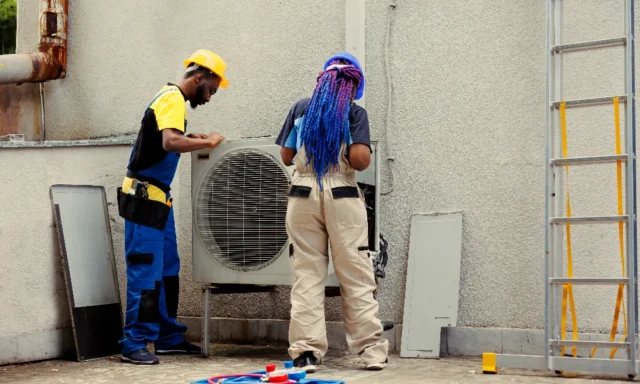
If the noise continues after basic fixes, it is best to call a professional. Persistent issues may involve refrigerant imbalance, improper installation, or internal damage. A trained technician can inspect the system safely and resolve the root cause.
Preventing Dripping Noises in the Future
Preventing dripping sounds from your AC depends on keeping moisture flow controlled and consistent throughout the system. When airflow, temperature balance, and drainage work together, condensation moves out quietly without buildup. Small inefficiencies, however, can slowly disrupt this balance and lead to recurring noise. Staying proactive with system care and performance checks helps you avoid sudden issues and extends the life of your unit.
Regular AC Maintenance
Schedule Seasonal Inspections
Professional inspections before peak seasons help catch hidden issues like partial drain blockages, airflow imbalances, or early coil buildup. Technicians use gauges and visual checks to ensure the system is draining correctly and operating within safe limits.
Keep Drain Lines Clean
Condensate lines often collect algae, dust, and biofilm over time, which restricts water flow. Regular flushing, often recommended by HVAC professionals, keeps the line clear and ensures moisture exits the system without backing up or creating noise.
Replace Air Filters on Time
Air filters directly affect airflow across the evaporator coil. When clogged, they reduce air movement, causing uneven cooling and excess condensation. Most manufacturers and HVAC experts advise checking filters monthly and replacing them every 1–3 months for optimal performance.
If you want to improve overall system performance while reducing such issues, check out this guide on improving HVAC efficiency: https://antonplumbinghvac.com/how-to-improve-hvac-efficiency/
Professional Solutions
Installing a Secondary Drain Pan
In many building codes, a secondary drain pan is recommended for attic or ceiling-mounted units. HVAC technicians install it beneath the main unit to catch overflow if the primary drain fails, helping prevent hidden water damage and giving an early warning before leaks spread.
Upgrading Insulation on Ductwork
When ducts pass through warm spaces, poor insulation causes surface condensation due to temperature differences. Professionals use properly rated insulation materials and sealing techniques to maintain consistent temperatures, which reduces external moisture buildup and prevents dripping sounds.
Correcting AC Installation Issues
Accurate installation is critical for proper drainage and airflow. Technicians check unit leveling, drain line slope, and connection points to ensure water flows out as designed. Even a slight tilt or improper slope can cause water to pool, which leads to recurring noise and long-term system strain.
FAQs
Is It Normal To Hear Dripping After Ac Turns Off?
Yes, a brief dripping sound after shutdown is normal. It occurs as leftover condensation drains away. However, continuous noise indicates a drainage issue.
Can An Ac Stop Dripping By Itself?
In some cases, minor condensation may reduce when the humidity drops. But persistent dripping usually needs cleaning or repair to resolve fully.
Why Is Water Dripping From My Air Conditioner Vent?
This often happens due to clogged drain lines, frozen coils, or poor insulation. It is not normal and should be checked to avoid damage.
Call Anton Plumbing Heating & Cooling for Fast Air Conditioning Repair in Northern and Central New Jersey
Dripping sounds from your AC should never be ignored. Small issues can turn into major repairs if left untreated. Whether it is a clogged drain line, frozen coil, or installation issue, expert help ensures the problem is fixed correctly.
Anton Plumbing Heating & Cooling provides reliable air conditioning repair and maintenance services across Northern and Central New Jersey. Our experienced technicians diagnose issues quickly and restore your system’s performance. If your AC is making noise or leaking water, now is the time to get professional support and keep your home comfortable.