
Boiler vs. Furnace: Which Is Right for Your Home?
TL;DR: When comparing a boiler vs furnace, both systems can heat your home effectively, but the right choice depends on your existing setup, comfort preferences, budget, and maintenance needs. This guide explains how each system works and helps homeowners decide which option makes the most sense.
- Furnaces use warm air and ductwork to heat a home quickly.
- Boilers circulate hot water or steam through radiators, baseboards, or radiant floors.
- A furnace may be best for homes with existing ducts and central air conditioning.
- A boiler may be better for homeowners who prefer quiet, even heating with fewer drafts.
- Annual furnace or boiler maintenance supports efficiency, comfort, and long-term reliability.
Choosing a new heating system is a major decision. Your system affects your comfort, monthly energy costs, indoor air quality, and maintenance needs for years. When comparing a boiler vs furnace, it is important to understand that neither option is automatically better for every home.
Both furnaces and boilers can provide dependable heating during a cold New Jersey winter. The right choice depends on your home’s existing equipment, ductwork or piping, comfort preferences, budget, and long-term plans.
This guide explains how each system works, the benefits and drawbacks of each option, and how to decide between a boiler or furnace for your property.
How Does a Furnace Work?
A furnace heats air and distributes it throughout the home using ductwork and vents. The system draws in cool indoor air, passes it across a heated component called a heat exchanger, and then uses a blower fan to circulate the resulting warm air through the ducts.
Depending on the model, a furnace may operate using natural gas, oil, propane, or electricity. Gas furnaces are especially common because they can heat a home quickly and provide reliable performance during cold weather.
Because furnaces rely on forced air, they may also share ductwork with a central air conditioning system. This can make a furnace a practical option for homes that already have ducts installed.
How Does Boiler Heating Work?
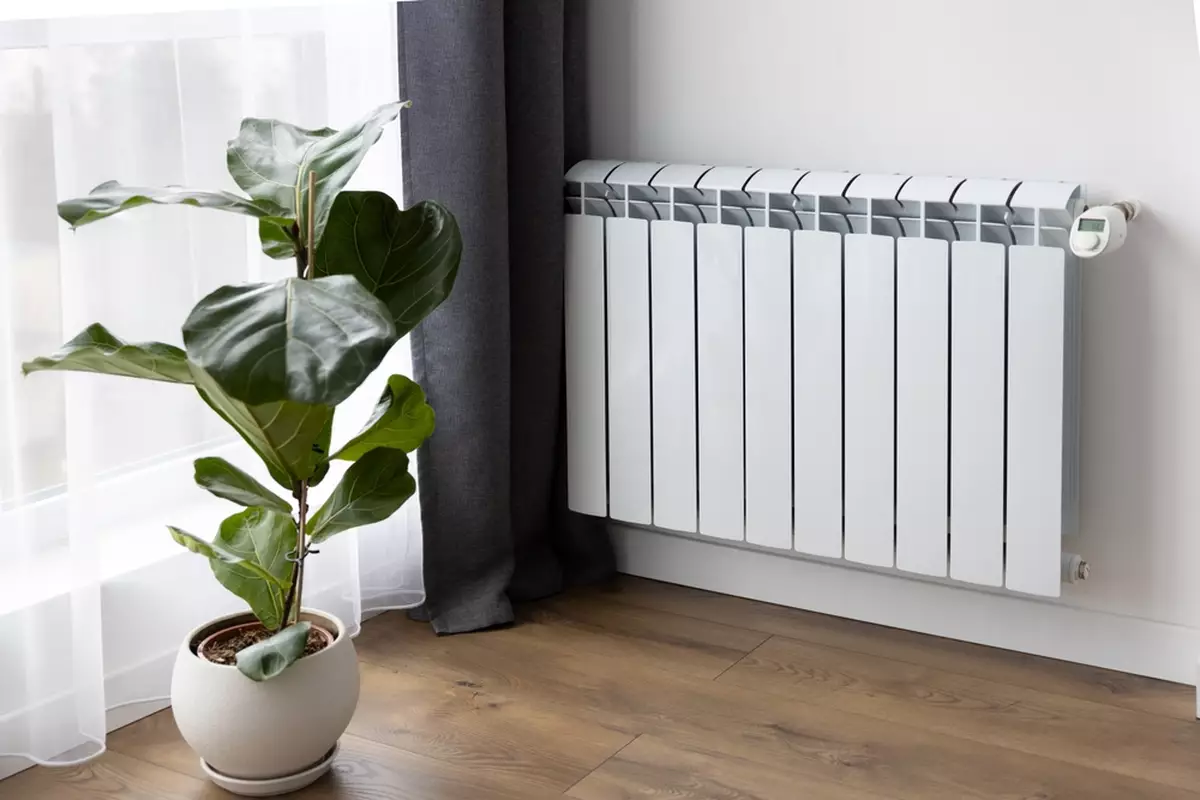
Boilers don’t distribute heated air through ductwork. Instead, boiler systems heat water and circulate it through radiators, baseboard units, or radiant flooring.
Depending on the system, a boiler may distribute hot water or steam throughout the property. As that heat moves through radiators or pipes, it warms nearby surfaces and gradually raises the room temperature.
Boiler heating is often valued for its steady, even comfort. Since there’s no blower pushing air through vents, boilers can provide warmth without the drafts or airflow commonly associated with forced-air systems.
Modern boilers may run on natural gas, oil, propane, or electricity. The best fuel type depends on utility availability, existing infrastructure, and operating costs in your area.
Boiler vs Furnace: Key Differences
When evaluating a boiler vs furnace, consider how the systems deliver heat and how that delivery method affects everyday comfort.
A furnace uses warm air, while a boiler uses heated water or steam. Furnaces usually raise temperatures quickly, while boilers tend to provide slower, more consistent warmth.
Furnaces require ductwork. Boilers require pipes, radiators, baseboards, or radiant-floor components. If your home already has one of these distribution systems, keeping the same general type of heating equipment may reduce the complexity and cost of installation.
Maintenance needs also differ. Furnaces require regular filter changes and inspections of the blower, burners, electrical components, and heat exchanger. Boilers require pressure checks, leak inspections, system cleaning, and periodic evaluation of pumps, valves, piping, and safety controls.
Benefits of Choosing a Furnace
A furnace may be the right choice if you want a system that heats your home quickly and works with existing ductwork.
Common furnace benefits include:
- Fast heating during sudden temperature drops
- Compatibility with central air conditioning
- Broad availability of equipment and replacement parts
- Multiple fuel options
- Easy integration with air filters, humidifiers, and other indoor air quality products
Furnaces can also be a practical choice for homeowners replacing an existing forced-air system. If the ducts are in good condition and properly sized, installing another furnace may be more straightforward than converting to hydronic heat.
However, forced-air heating can circulate dust, pet dander, and other particles if filters and ducts are not maintained. Some homeowners may also notice temperature differences between rooms or feel drafts when the blower operates.
Benefits of Choosing a Boiler
A boiler may be right for you if you prefer quiet, even heating and your home already contains radiators, baseboards, or radiant floors.
Common advantages of boiler systems include:
- Consistent room temperatures
- Quiet operation
- No forced-air drafts
- Reduced circulation of airborne dust
- Compatibility with radiant-floor heating
- Zoned temperature control in many configurations
Many homeowners find radiant heat especially comfortable because it warms surfaces and objects rather than only heating air. This can create a steady feeling of warmth, even when the thermostat is set at a moderate temperature.
A professional boiler installation can also provide efficient operation when the system is properly sized and configured. Modern high-efficiency boilers are designed to reduce fuel waste and deliver dependable performance.
Boilers can have a higher initial installation cost, especially if a home does not already have the required piping and radiators. Leaks, pressure issues, and damaged pumps can also require specialized repair.
Do I Have a Furnace or a Boiler?
Homeowners often ask, “Do I have a furnace or a boiler?” A quick look at your heating system and distribution method can usually provide the answer.
You probably have a furnace if:
- Your rooms have air vents or registers
- You hear a blower operating
- Your heating and central cooling use the same ductwork
- Air moves through the vents when the heat turns on
You probably have a boiler if:
- Your home has radiators or baseboard heaters
- You see water pipes connected to the heating equipment
- Your system heats the floors
- You do not have heating vents in each room
A professional HVAC technician can confirm your system type and explain its condition, efficiency, and expected service life.
Which System Is More Efficient?
Efficiency depends more on the specific model, installation quality, home insulation, and maintenance history than on the system category alone.
A high-efficiency furnace can deliver excellent performance when the ductwork is sealed and the equipment is correctly sized. A modern boiler can also heat your home efficiently when the piping, controls, and radiators are properly designed.
Duct leaks can reduce furnace efficiency because heated air may escape before reaching the living space. Boilers avoid duct losses, but poorly insulated pipes, mineral buildup, incorrect pressure, or aging controls can reduce their performance.
Before choosing a system, ask a qualified contractor to calculate your home’s heating load. Installing equipment that is too large or too small can increase energy use, reduce comfort, and shorten the system’s lifespan.
Understanding the Different Types of Boilers
There are several types of boilers, and the right model depends on your property and hot water needs.
Common options include:
- Gas boilers
- Oil boilers
- Electric boilers
- Steam boilers
- Hot water boilers
- Combi boilers
- Condensing boilers
A combi boiler can provide both space heating and domestic hot water from one unit. A traditional boiler may work with a separate water heater or storage tank. Condensing boilers capture additional heat from exhaust gases, helping improve efficiency under suitable operating conditions.
A professional can compare the available models and recommend a boiler based on your fuel source, heating demand, existing piping, and household size.
Maintenance Requirements for Boilers and Furnaces
Both systems need routine professional care.
Furnace maintenance typically includes replacing or cleaning the air filter, inspecting the burners, testing electrical components, checking airflow, and evaluating the heat exchanger for damage.
Boiler maintenance may include checking pressure, inspecting pipes and valves, testing safety controls, cleaning system components, and looking for corrosion or leaks.
Scheduling annual boiler service can help identify small issues before they interrupt your heat. Regular service may also support better efficiency, safer operation, and a longer equipment lifespan.
You should contact a technician if your boiler develops leaks, uneven heating, repeated pressure loss, unusual odors, or banging and gurgling sounds.
Should You Choose a Boiler or Furnace?
Choose a furnace if your home already has usable ductwork, you want rapid heating, or you plan to use the same distribution system for heating and central cooling.
Choose a boiler if your home already has radiators or hydronic piping, you prefer quiet and even warmth, or you want to explore radiant-floor heating.
If you’re replacing an existing system, staying with the same equipment category is often the most economical approach. Changing from a furnace to a boiler—or from a boiler to a furnace—may require major modifications to ducts, pipes, walls, floors, and mechanical spaces.
The most reliable answer comes from an in-home assessment. A heating professional can review your current equipment, examine the home’s layout, calculate heating requirements, and compare installation and operating costs.
Get Expert Boiler Service From Anton Plumbing Heating & Cooling
Both furnaces and boilers can keep a home comfortable when they are properly selected, installed, and maintained. The right system is the one that fits your property, comfort preferences, budget, and existing heating infrastructure.
If a boiler is the best choice for your home, Anton Plumbing Heating & Cooling can help. Our experienced team provides professional boiler installation, repair, replacement, and boiler maintenance throughout Old Bridge, East Brunswick, Jersey City, and nearby New Jersey communities.
Visit our Boiler Services page to learn more about our options, or call (732) 771-4771 to schedule an evaluation and find the right solution for your home.


