
Does a Water Softener Make Water Salty?
If your tap water suddenly tastes like the ocean, it’s natural to wonder — does a water softener make water salty? Many homeowners experience a tiny salty taste after installing a water softener and believe something is amiss. The truth is that softened water does not automatically equal salty water. However, if the system is not working properly, extra salt may enter your drinking water.
Let’s look at how a water softener actually works, what produces the salty taste, and how to cure it. We’ll also go over how much salt your system actually needs and how to keep it running smoothly for clean, tasty water all year.
Does a Water Softener Make Water Salty?
How a Water Softener Works
To determine whether a water softener makes water salty, first understand how it works. A water softener eliminates minerals such as calcium and magnesium, which cause hard water. It achieves this through a process known as ion exchange. This method does not introduce salt to your drinking water; rather, it substitutes hardness minerals with sodium ions.
The Ion Exchange Process Explained
Your water softener contains a resin tank loaded with microscopic resin beads. These beads behave as magnets, attracting calcium and magnesium. When hard water passes through, minerals cling to the beads, releasing sodium ions in their place. After some time, the beads get “full,” and the softener cleans itself by regeneration with a saltwater (brine) solution.
That’s where the misconception begins: people believe the brine ends up in their tap water. However, in a well-functioning system, the brine is washed out, leaving only soft, fresh water.
When Softened Water Might Taste Salty
While a water softener should not make water salty, a few system issues can cause that unwanted taste.
Clogged or Malfunctioning Drain Line
If the drain line is clogged, the saltwater utilized during regeneration may not drain entirely. This remaining brine might combine with your fresh water, resulting in a distinct salty taste.
Improper Regeneration Cycle or Settings
Incorrect cycle timing or salt dosage settings might potentially result in issues. If you use too much salt or run a brief rinse cycle, salt residues may remain in the resin tank and leak into your household water.
Broken Brine Tank or Faulty Injector
Sometimes the problem is with the brine tank or injector. A crack, blockage, or mechanical failure might allow excess brine to enter the water lines. If that happens, your soft water may start to taste like seawater.
How to Fix Salty-Tasting Water From a Water Softener
If you’re tired of your water tasting like soup stock, don’t worry. The fix is usually simple.
Clean or Replace the Brine Line and Tank
Start by inspecting the brine pipe and tank. Remove any accumulation, sludge, or salt bridges that you find. Sometimes a fast flush resolves the issue. If the line or tank is damaged, replace it to restore proper operation.
Adjust Salt Settings
Knowing how much salt should be in a water softener is crucial. Too much salt can overcharge the system, while too little prevents healthy regeneration. Most systems require the salt level to be just above the water line, approximately half to three-quarters full. Check your handbook or call a professional to learn about the specifications for your individual model.
Schedule Professional System Inspection
If cleaning and adjusting don’t work, it’s time to consult a professional. A certified technician can test your system, examine valves and injectors, and adjust the settings for peak performance.
How Much Salt Should Be in a Water Softener?
How Water Hardness Affects Salt Usage
The harder your water, the more salt your softener uses. If you’re unsure how much salt should be in a water softener, it typically depends on water hardness and household size. Homes with extremely hard water may require up to 80 pounds of salt per month, while others require much less.
You should also know how long salt blocks last in a water softener. Salt blocks or pellets last around four to six weeks before needing to be refilled. However, check on a frequent basis, especially during periods of severe water use.
Signs of Overuse or Underuse of Salt
Salty Water Taste or Film on Fixtures
If you taste salt in your water or see a white film on your faucets, you may be using too much salt. Reducing the salt level can solve this problem rapidly.
Reduced Softening Efficiency or Hard Water Spots
On the other hand, if your water seems “hard” again or you notice spots on your dishes, the softener may not have enough salt to properly recharge. Fill the tank to the proper level and inspect for salt bridges that are obstructing the brine flow.
How to Maintain a Water Softener for Better Water Quality
A little maintenance goes a long way toward preventing salty-tasting water.
Refill Salt Levels Regularly and Use High-Quality Salt
Don’t just drop some salt into the tank. Use high-quality pellets or crystals designed for water softeners. They disintegrate smoothly and reduce accumulation.
Clean the Resin Tank and Brine Tank Annually
An annual deep clean maintains your system running smoothly. Flush the tanks, remove sludge, and get rid of any crusted salt deposits.
Test Water Hardness Periodically
Testing allows you to detect early indicators of problems. If your water hardness varies, adjust the softener settings accordingly.
Schedule Routine Professional Servicing
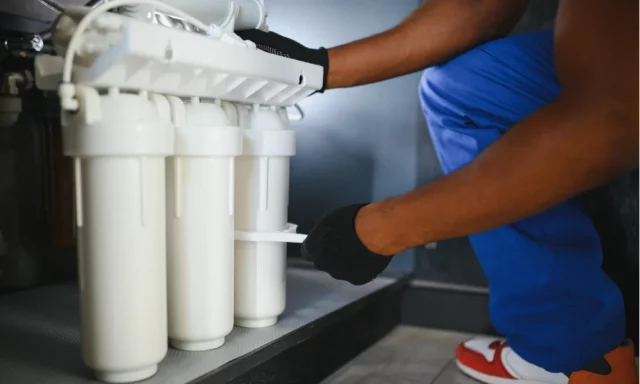
A specialist can identify problems before they worsen. Regular service inspections ensure that valves, injectors, and timers are working properly.
FAQs
Is Softened Water Safe to Drink?
Yes, it is. The amount of sodium added during softening is minimal — much less than what’s found in most foods.
How Long Does a Water Softener Last?
Most systems last 10 to 15 years with adequate maintenance. Regular cleaning and salt refilling might extend its life.
Can I Use Potassium Chloride Instead of Salt?
Absolutely. Potassium chloride is an excellent choice for those watching their sodium consumption. However, it is slightly more expensive.
Contact Anton Plumbing for Expert Water Purification Solutions
So, does a water softener make water salty? Not when everything is working well. A salty taste usually indicates a maintenance or setup issue, not a design flaw. Maintaining proper salt levels, cleaning the system, and scheduling inspections will help maintain your water soft, clean, and fresh-tasting.
If your water still tastes off or you’re unsure how long salt blocks last in a water softener, it’s best to get professional help.
Anton Plumbing HVAC provides experienced water filtration and softener maintenance services. Our technicians can diagnose as well as resolve any issues, ensuring that your system functions smoothly.