Heat Pump Not Heating? Common Causes and Fixes
TL;DR: A heat pump not heating properly can result from something as simple as an incorrect thermostat setting or a more serious mechanical, electrical, or refrigerant problem. Knowing the common causes can help homeowners troubleshoot basic issues and recognize when professional heat pump repair is needed.
- Check the thermostat, air filter, circuit breaker, and outdoor unit for common problems that can affect heating performance.
- Refrigerant leaks, reversing valve failures, and damaged ductwork may require professional repair.
- Extremely cold temperatures can reduce the performance of some heat pump systems.
- Routine heat pump maintenance can improve efficiency and help prevent unexpected breakdowns.
- Heat pump replacement may make sense for older systems experiencing frequent repairs or declining performance.
A heat pump is designed to keep your home comfortable throughout the year, providing warmth in winter and cooling in summer. So, when you turn up the thermostat on a cold day and don’t get the warm air you expect, something isn’t working correctly.
If you have a heat pump not heating your home properly, the problem could be as simple as an incorrect thermostat setting or as serious as a failing component. Some issues have easy solutions, while others require professional heat pump repair.
Understanding the most common heat pump problems can help you identify what might be wrong, know what you can safely check yourself, and recognize when it’s time to call an HVAC professional.
How Does a Heat Pump Work?
Before troubleshooting, it helps to answer a basic question: How does a heat pump work?
Unlike a furnace, a heat pump doesn’t generate heat by burning fuel. Instead, it transfers heat from one location to another using refrigerant. During the winter, the system absorbs heat from the outdoor air and transfers it inside. In summer, the process reverses, moving heat out of your home.
That’s why heat pumps can both heat and cool a home with a single system.
Even when outdoor temperatures are cold, there’s still heat energy available in the air. Modern heat pump systems can capture that energy and move it indoors. Exactly how efficiently pumps work at lower temperatures depends on the equipment, outdoor conditions, and system design.
If something interferes with this process, however, you may notice reduced heating performance or no heat at all.
1. Check the Thermostat Setting
When dealing with a heat pump not heating, start with the thermostat.
Make sure the thermostat setting is set to “heat” and the desired temperature is higher than the current indoor temperature. If the thermostat is accidentally set to cooling mode, your heat pump won’t provide the warmth you’re expecting.
Also check the fan setting. In most cases, it should be set to “auto.” Leaving the fan on continuously can circulate unheated air between heating cycles, making your home feel colder.
If you have a programmable or smart thermostat, review the schedule as well. A programmed temperature change may be overriding your preferred setting.
2. Inspect the Air Filter
A dirty air filter is one of the easiest HVAC problems to prevent.
As dirt, dust, pet hair, and other particles collect in the filter, airflow becomes restricted. Your heat pump then has to work harder to move conditioned air throughout the home.
Reduced airflow can cause:
- Poor heating performance
- Longer operating cycles
- Higher energy consumption
- Increased wear on components
- Frozen coils
Check your filter regularly and replace it according to the manufacturer’s recommendations. Filter replacement is also an important part of routine heat pump maintenance.
3. Check Your Circuit Breaker
Your heat pump relies on electricity, and a tripped circuit breaker can prevent part or all of the system from operating.
Check your electrical panel for a breaker labeled for the heat pump, HVAC system, air handler, or outdoor unit. If a breaker has tripped, resetting it once may restore operation.
If it immediately trips again, don’t repeatedly reset it. A recurring electrical problem may indicate faulty wiring, a damaged component, or another problem requiring professional attention.
An HVAC technician can diagnose the cause and safely fix a heat pump experiencing electrical issues.
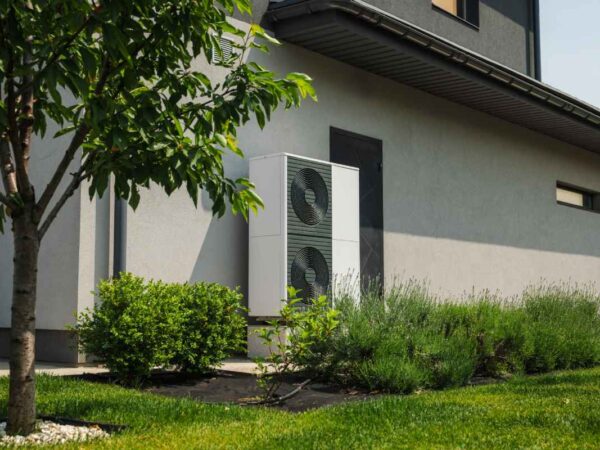
4. Look at the Outdoor Unit
Your outdoor heat pump needs adequate airflow to operate efficiently.
Leaves, snow, ice, dirt, and other debris can obstruct the unit and interfere with heat transfer. Keep the area surrounding the outdoor equipment clear and avoid placing objects directly against it.
A small amount of frost can be normal during cold weather. Heat pumps periodically enter a defrost cycle to remove frost from the outdoor coil.
A unit covered in heavy ice, however, may have a problem. Possible causes include a faulty defrost control, damaged sensor, restricted airflow, or refrigerant issue.
Don’t chip or scrape ice off the equipment, as doing so could damage the coil. Contact a professional for heat pump repair if significant ice continues to accumulate.
5. Your Heat Pump May Have a Refrigerant Problem
Refrigerant is essential to the heat-transfer process that allows your system to provide heating or cooling.
If the refrigerant level is too low, your heat pump may struggle to absorb and transfer enough heat. Low refrigerant can result from a leak somewhere in the system.
Potential warning signs include weak heating, longer operating cycles, unusual noises, ice buildup, or unexpectedly high energy bills.
Refrigerant problems aren’t a DIY repair. An HVAC technician can locate leaks, make appropriate repairs, and ensure the system has the proper refrigerant charge.
6. The Reversing Valve Could Be Faulty
A reversing valve allows a heat pump to switch between heating and cooling mode. It’s one of the components that makes it possible for one system to heat and cool your home.
If this valve becomes stuck or fails, the system may remain in cooling mode when you’re asking for heat. You might notice cool air coming from the vents even though the thermostat is set correctly.
Diagnosing and repairing a reversing valve generally requires specialized HVAC equipment and training.
7. Your Ductwork Could Be Losing Heat
Sometimes the heat pump itself isn’t the source of the problem.
Damaged, disconnected, poorly insulated, or leaking ductwork can allow heated air to escape before it reaches your living spaces. As a result, the system may appear to be operating normally while rooms remain uncomfortable.
Duct problems can also contribute to uneven temperatures, increased utility costs, and excessive system operation.
A professional inspection can identify leaks or damaged ductwork that may be reducing system performance.
8. Cold Outdoor Temperatures Can Affect Performance
Heat pumps have to work harder as outdoor temperatures drop because less heat is available in the outside air.
Some systems use supplemental electric resistance heat during particularly cold conditions. If this backup heating isn’t operating correctly, your home may struggle to reach the desired temperature.
Newer cold-climate heat pump systems are capable of operating efficiently at much lower temperatures than many older models. If your equipment consistently struggles during winter, an HVAC professional can evaluate its performance and determine if repairs, supplemental heating, or an equipment upgrade makes sense.
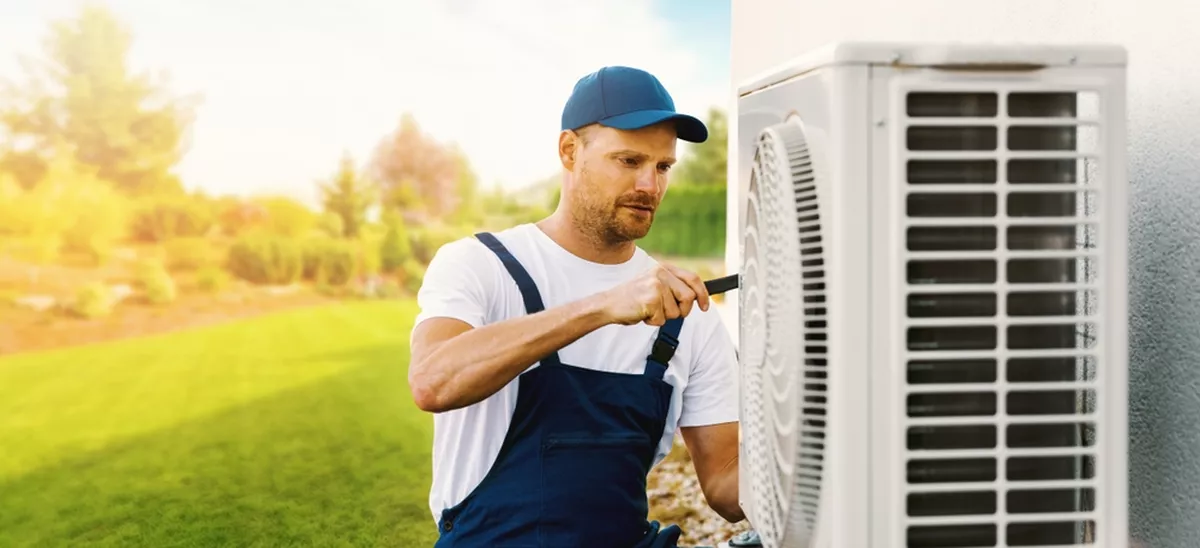
9. The System May Need Professional Heat Pump Repair
A heat pump contains numerous electrical and mechanical components that can eventually wear out.
Problems may involve the compressor, blower motor, capacitor, sensors, control board, reversing valve, or other components. Diagnosing these issues requires specialized tools and experience.
Call for professional heat pump repair if you notice:
- Little or no warm air
- Unusual banging, grinding, or buzzing
- Frequent cycling
- Persistent ice buildup
- Unexpected increases in energy costs
- Burning or electrical odors
- A system that won’t turn on
Attempting complex electrical or refrigerant repairs yourself can damage the system and create safety risks.
When Should You Consider Heat Pump Replacement?
Not every malfunction means you need heat pump replacement. Many problems can be repaired, especially when the system is relatively new and has been properly maintained.
Replacement may become more practical when your heat pump is older, requires frequent repairs, produces inconsistent temperatures, or has experienced a major component failure. Rising energy costs can also indicate that an aging system is losing efficiency.
An HVAC professional can compare repair costs with the benefits of installing newer equipment and help you make an informed decision.
Prevent Problems With Regular Heat Pump Maintenance
Preventive heat pump maintenance is one of the best ways to reduce the risk of an unexpected breakdown.
Professional maintenance gives a technician an opportunity to inspect electrical connections, test controls, check refrigerant performance, clean components, evaluate airflow, and identify developing problems before they turn into expensive repairs.
Because heat pumps operate during both heating and cooling seasons, they can accumulate more annual operating hours than equipment used for only part of the year. Keeping up with maintenance can support efficient operation, dependable comfort, and a longer equipment lifespan.
Get Your Heat Pump Working Again
If you’re dealing with a heat pump not heating, don’t spend the winter adjusting the thermostat and hoping the problem goes away. Anton Plumbing Heating & Cooling can inspect your system, identify the source of the problem, and recommend the appropriate solution.
From routine heat pump maintenance and repairs to complete heat pump replacement, our experienced team can help keep your home comfortable throughout the year. Contact Anton Plumbing Heating & Cooling today to schedule heat pump service.