How to Install a Wall Furnace: Step-by-Step Guide
When winter rolls around, few things matter more than keeping your home warm and cozy. A wall furnace is one of the most efficient heating systems for smaller spaces, offering powerful performance without taking up floor space. If you’re curious about how to install a wall furnace, you’ve come to the right place. This step-by-step guide will walk you through everything—from preparation to installation—so you can enjoy reliable heat all season long.
Before diving in, it’s essential to understand what a wall furnace is and why it’s an excellent choice for your home.
How to Install a Wall Furnace
Installing a wall furnace requires careful planning, precision, and safety precautions. Whether you’re replacing an old model or setting up a new one, following these steps will ensure a proper installation.
1. Gather Tools and Materials
Begin by gathering all the necessary tools and materials. This typically includes:
- Drill and screwdriver
- Measuring tape
- Stud finder
- Wrenches and pliers
- Gas piping and fittings
- Electrical wiring tools
- Venting kit and sealant
Having everything ready makes the installation process smoother and saves time in the long run.
2. Choose the Installation Location
Next, decide where to place your furnace. The ideal location should have good airflow, access to gas and electrical lines, and proper clearance from furniture or drapes. Wall furnaces are often installed in living rooms, hallways, or between rooms for balanced heating.
When choosing the spot, avoid exterior walls with insulation that could block airflow or make venting difficult. Always refer to the manufacturer’s installation guide to confirm required clearances.
3. Prepare the Wall Opening
Once you’ve chosen the location, mark the wall dimensions for the furnace. Cut a precise opening using a drywall saw, ensuring it matches the unit’s size.
If you’re replacing an existing wall furnace, inspect the framing and wall cavity for damage or obstructions. Reinforce the studs if necessary to support the furnace’s weight. Proper preparation is crucial before learning how to install a gas wall furnace safely and securely.
4. Mount and Secure the Furnace
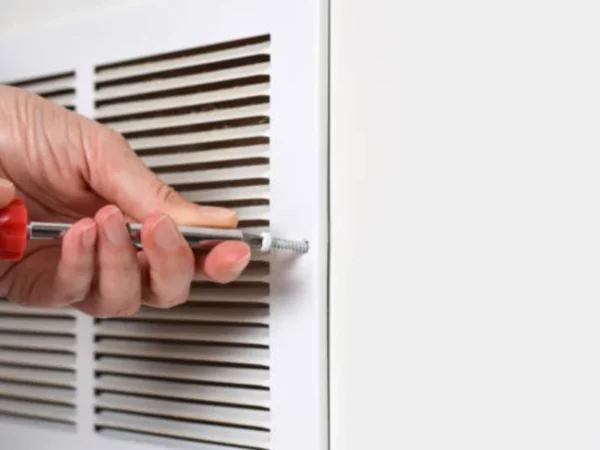
Now it’s time to position the furnace into the wall opening. Use the mounting brackets or frame provided by the manufacturer. Make sure the unit is level—an uneven installation can lead to performance issues or vibrations.
Secure the furnace tightly to prevent movement when it’s running. Verify that the access panel and control knobs are easily accessible once the stove is in place.
5. Connect the Gas and Power Supply
This step is the most critical and should be handled with extreme caution. Turn off the main gas supply before connecting the line to the furnace’s inlet. Use approved gas fittings and sealant to prevent leaks.
Once the gas is connected, follow the manufacturer’s instructions to run the electrical wiring. If you’re not confident working with gas or electrical systems, it’s wise to hire a licensed technician. Understanding how to install a gas wall furnace involves both mechanical and safety knowledge, so never cut corners here.
6. Install the Venting System
Proper venting ensures your furnace operates safely by removing combustion gases from your home. Depending on your model, you may use either a direct vent (through an exterior wall) or a B-vent system (through the roof).
Install the vent pipe in accordance with local building codes and seal all joints tightly to prevent leaks. Use a vent cap to prevent debris, pests, or rain from entering your system. Venting plays a significant role in how does a wall furnace work, keeping the air clean and the system efficient.
7. Test the Furnace Operation
Once everything is connected, it’s time for the final check. Restore power and turn on the gas. Light the pilot (if your unit has one) and run the furnace through a full heating cycle.
Listen for unusual sounds and check that warm air flows properly from the vents. Also, use a gas leak detector or soapy water to check connections for leaks. If all seems well, you’ve completed the process of how to install a wall furnace like a pro.
Safety Tips and Installation Best Practices
Even a small mistake during installation can affect performance or safety. Follow these best practices to stay on the safe side.
Always Follow Local Building Codes
Building codes vary by location, and failing to comply with them can result in fines or pose safety hazards. Always review your local requirements before installation, especially for gas and venting systems.
Seek Professional Assistance for Gas Connections
While many steps can be done on your own, gas line connections should be left to certified professionals. They can ensure a leak-free connection and confirm proper pressure settings.
Maintenance After Installation
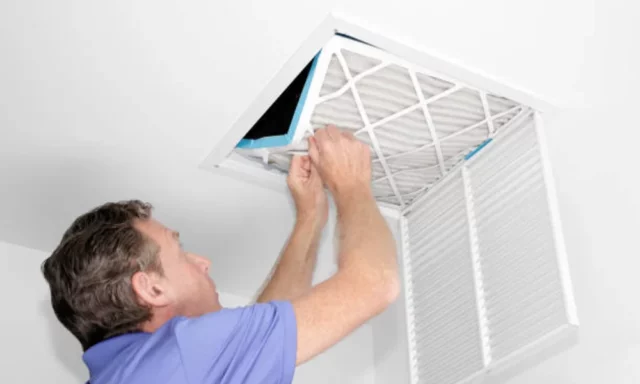
Once your wall furnace is installed, regular maintenance will keep it running smoothly. Clean or replace filters, inspect the vent system, and test the thermostat before each heating season. Preventive care extends the life of your furnace and keeps it safe.
How Long Does It Take to Install a Wall Furnace?
Installation time varies depending on your setup, experience, and the condition of your walls. On average, it takes between 4 and 8 hours to complete the task.
Factors That Affect Installation Time
Several factors can influence the duration of the process.
Skill and Experience of the Installer
A professional HVAC technician can install a wall furnace much faster than someone doing it for the first time.
Complexity of Wall Preparation and Venting
If your wall requires reinforcement or you’re installing new venting, expect to allocate additional time for these tasks.
Location and Accessibility of Connections
Hard-to-reach areas or limited access to gas and power lines can also extend installation time.
When to Replace or Upgrade a Wall Furnace
A well-maintained wall furnace can last 15–20 years, but sure signs indicate it’s time for a replacement.
Uneven Heating or Poor Performance
If your rooms heat unevenly or the furnace struggles to maintain temperature, it may be losing efficiency.
Frequent Breakdowns and Rising Repair Costs
When repairs become too frequent or too expensive, replacing the unit may be a more cost-effective option.
Visible Damage or Corrosion
Rust, cracks, or damage around the unit’s casing are red flags that your furnace has reached the end of its lifespan.
What Is a Wall Furnace?
Before you learn how to install a wall furnace, it helps to understand what makes it special.
A wall furnace is a compact heating system installed directly into a wall. It works by drawing in air, heating it through a gas burner or electric element, and circulating it back into the room.
How a Wall Furnace Works
So, how does a wall furnace work? The process begins when the thermostat senses a drop in temperature. The burner ignites, heating the air inside the heat exchanger. A fan then pushes the warm air into your room while venting out combustion gases through a flue.
Benefits of a Wall Furnace
Wall furnaces come with several advantages that make them ideal for many homeowners.
Compact Design for Limited Spaces
Their slim design saves floor space, making them perfect for apartments, small homes, or basements.
Energy Efficiency and Reduced Utility Costs
They deliver focused heating to specific rooms, reducing energy waste and lowering bills.
Simple Controls and Easy Maintenance
Modern models feature user-friendly thermostats and require minimal maintenance compared to larger central systems.
FAQs
Are Wall Furnaces Good?
Yes, wall furnaces are an excellent choice for efficiently heating smaller spaces. They offer consistent warmth without the need for bulky ductwork.
What Size Wall Furnace Do I Need?
The right size depends on your room’s square footage and the level of insulation. A professional HVAC technician can perform a heat-load calculation to recommend the best fit.
Can I Install a Wall Furnace on My Own?
While it’s possible to handle basic steps yourself, gas and electrical connections should be completed by licensed professionals to ensure safety and compliance with regulations.
Warm Up Your Home With Anton Plumbing Heating & Cooling
Now that you know how to install a wall furnace, you can appreciate the balance between comfort, safety, and efficiency that this heating system provides. Whether you’re upgrading your old unit or setting up a new one, following these steps ensures a reliable installation that keeps your home toasty for years to come.
However, handling gas and venting lines can be risky without the right expertise. That’s where the professionals come in.
Anton Plumbing Heating & Cooling specializes in wall furnace installation, maintenance, and replacement throughout the area. Their certified technicians ensure every installation meets safety standards and delivers peak performance.
Don’t let the cold catch you off guard—contact Anton Plumbing Heating & Cooling today for dependable wall furnace services and the warmth your home deserves.