
Will Natural Gas Lines Freeze? What Homeowners Should Know
Cold weather raises many questions about home safety, especially when it comes to heating systems. One concern homeowners often have is will natural gas lines freeze during extreme winter conditions. This topic matters because gas supplies power furnaces, water heaters, and stoves, and any disruption can affect comfort and safety. According to the U.S. Energy Information Administration, natural gas used in homes is primarily methane, a fuel designed to remain gaseous under normal environmental conditions. In this guide, you will learn whether gas lines can freeze, what parts are most vulnerable, what happens if freezing occurs, and how to protect your system during winter.
Will Natural Gas Lines Freeze?
The risk of freezing depends on gas properties, system components, and exposure to cold. The freezing point of natural gas itself is extremely low, but regulators, valves, and exposed piping can freeze due to moisture and weather conditions. Understanding these differences helps clarify whether homeowners should be concerned.
At What Temperature Does Natural Gas Freeze?
To answer will natural gas lines freeze, it helps to understand gas behavior. Many people ask what temperature does natural gas freeze at because they assume cold air affects the gas itself. Natural gas, mainly methane, freezes at about -296°F (-182°C), far colder than any natural winter temperature on Earth. This means the gas does not freeze inside residential lines under normal conditions.
Components That Freeze Long Before the Gas
While the gas remains unaffected, other system components can freeze. Moisture, condensation, and exposure allow ice to form on regulators, valves, and outdoor piping.
Regulators
Gas regulators control the pressure entering your home. Moisture inside or around the regulator can freeze and restrict movement. This is one of the most common winter gas issues.
Valves
Shutoff valves exposed to cold air may develop ice buildup. Frozen valves can stick, making them hard to operate or causing pressure inconsistencies.
Exposed Pipes
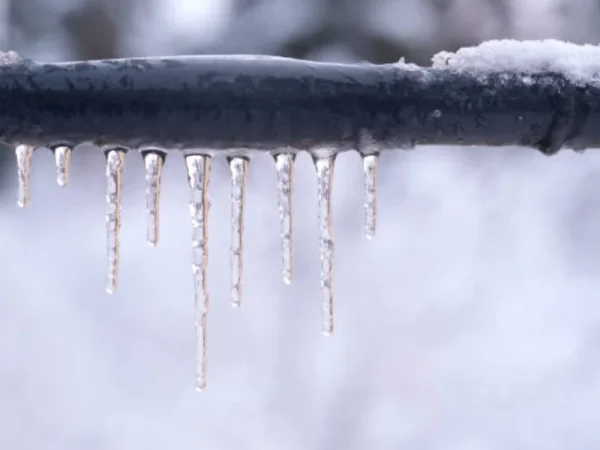
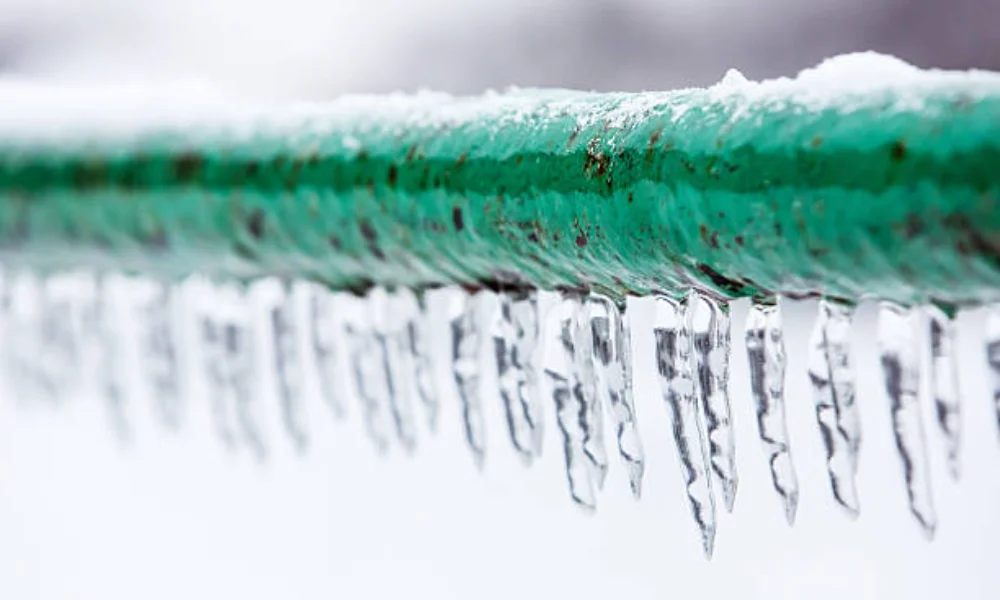
Outdoor or poorly insulated gas pipes face freezing risks from condensation and snow exposure. Ice buildup affects flow even though the gas itself stays gaseous.
What Happens if a Gas Line Freezes?
Frozen components affect gas delivery and system stability. Reduced flow, pressure problems, unusual noises, and visible ice around meters are common warning signs. Recognizing these symptoms early helps prevent unsafe conditions.
Reduced Gas Flow to Appliances
When regulators or valves freeze, less gas reaches appliances. You may notice weak furnace performance, delayed ignition, or appliances shutting off unexpectedly.
Pressure Problems in the Gas System
Ice buildup interferes with pressure regulation. This can cause fluctuations that trigger safety shutoffs or error codes in modern heating systems.
Hissing or Unusual Noises From Regulators
Frozen regulators may produce hissing or whistling sounds. These noises signal restricted gas movement and should never be ignored.
Ice Accumulation Around the Gas Meter
Visible ice or frost near the meter often indicates moisture problems. This is a key sign that can natural gas lines freeze at the component level, even if the gas does not.
How to Keep a Natural Gas Line From Freezing
Preventing freezing focuses on protecting vulnerable parts, managing moisture, and maintaining the system. Insulation, weather protection, inspections, and moisture control all reduce winter risks.
Insulate Exposed Gas Line Components
Insulation helps maintain stable temperatures around pipes and valves. Approved insulation materials reduce condensation and ice formation without trapping moisture.
Prevent Moisture Buildup in the Line
Moisture causes most freezing issues. Proper drainage, sealed fittings, and professional inspection limit condensation that leads to ice.
Protect Outdoor Meter and Components From Snow and Ice
Keep snow cleared from meters and regulators. Avoid covering them with plastic or airtight materials that trap moisture and worsen freezing.
Schedule Regular Gas Line Inspections
Routine inspections identify corrosion, leaks, and exposure issues. Professional checks are especially important before winter.
Moreover, the risk of freezing also depends on the material used in your gas piping. Some materials handle cold exposure better than others, especially in outdoor or unheated areas. Understanding what type of pipe is used for gas lines helps homeowners identify sections that may need extra insulation or protection in winter.
FAQs
Do Gas Meters Freeze in Winter?
Gas meters do not freeze internally due to the gas temperature. However, moisture and ice can affect regulators and moving parts attached to the meter.
Is It Dangerous if a Gas Line Freezes?
Yes, frozen components can restrict flow and cause pressure problems. This may lead to appliance shutdowns or safety risks if not addressed promptly.
Should Homeowners Try To Thaw Gas Lines?
No. Attempting to thaw gas lines can damage components or create fire hazards. Always contact a licensed professional for gas-related issues.
Call Anton Plumbing Heating & Cooling for Gas Line Services in East Brunswick, NJ
Understanding will natural gas lines freeze helps homeowners prepare for winter safely. This article explained why natural gas itself does not freeze, which components are vulnerable, what warning signs to watch for, and how to reduce risks through proper protection and maintenance.
If you notice frozen regulators, reduced gas flow, or ice around your meter, Anton Plumbing Heating & Cooling provides professional gas line inspection, repair, and winter readiness services in East Brunswick, NJ. Contact our team to keep your gas system safe, efficient, and reliable all season long.