

How to Clean Sink Drain Odor
A sewer line belly is a sagging section in your sewer pipe where wastewater can collect instead of flowing freely. This can lead to slow drains, foul odors, and backups in your home. In this guide, you’ll learn the common causes of smelly sinks, ways to maintain a clean sink drain odor, and when a sewer line belly may require professional replacement or repair. Understanding these signs early can save money and prevent damage.
What Causes Smells in a Sink Drain?
Smells in your sink are more than unpleasant—they often indicate underlying plumbing issues. Common causes include grease or food buildup, bacterial growth, dry P-traps, clogs, and debris in garbage disposals. Identifying the source helps you take targeted action and maintain a clean sink drain odor.
Buildup of Food, Grease, or Soap Scum
Grease, leftover food, and soap residue can stick to the drain walls. According to the EPA, nearly 47% of sewer overflows in the U.S. are linked to grease and oil buildup.
Bacteria Growing in the Drain or P-Trap
Warm and moist drains encourage bacterial growth. Bacteria release gases that cause foul smells.
Dry P-Trap Allowing Sewer Gases to Enter
A P-trap holds water to block sewer gases. If unused, water can evaporate, letting odors escape through the drain.
Clogged or Partially Blocked Drain Lines
Debris trapped deeper in pipes slows wastewater flow, allowing waste to sit and emit odors.
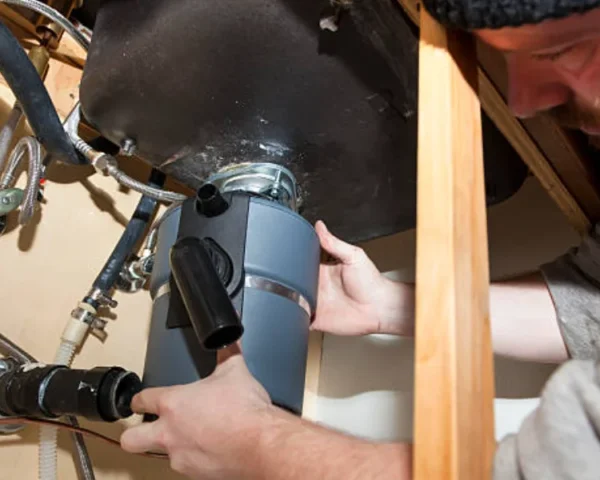
Organic Debris Trapped in Garbage Disposal Units
Food particles can accumulate in garbage disposals and rot, causing persistent smells. Regular cleaning prevents this problem.
How to Clean Sink Drain Odor
Maintaining a fresh, odor-free sink requires both immediate cleaning and long-term maintenance. Effective methods remove debris, kill bacteria, and prevent buildup, ensuring a clean sink drain odor.
Immediate, Short-Term Fixes
Flush the Drain With Hot Water and Dish Soap
Hot water as well as dish soap help dissolve grease and flush away debris. This is a simple step to address how to get rid of odor in the sink drain quickly.
Use Baking Soda and Vinegar for Deodorizing
Sprinkle baking soda into the drain, add vinegar, wait for foaming, then flush. This neutralizes odors and loosens trapped debris.
Clean the P-Trap or Drain Stopper
Removing and cleaning the P-trap or stopper gets rid of trapped particles, causing odors.
Disinfect the Drain to Remove Bacteria
A safe disinfectant kills odor-causing bacteria inside the pipes.
Freshen Garbage Disposal With Ice or Lemon
Grinding ice removes food particles, and lemon peels leave a fresh scent. This method helps with how to get rid of odor in the kitchen sink drain effectively.
Long-Term Fixes and Maintenance
Enzyme Cleaners to Break Down Organic Waste
Enzyme cleaners digest organic matter inside pipes, reducing buildup and odors over time.
Regular Flushing With Hot Water
Weekly flushing prevents grease and soap residue from solidifying inside the drain.
Monthly Cleaning of P-Traps and Disposal
Routine removal of debris keeps odors from returning and supports a clean sink drain odor.
Keep the P-Trap Wet in Unused Sinks
Add water to rarely used sinks to maintain a water barrier against sewer gases.
Professional Drain Cleaning When Needed
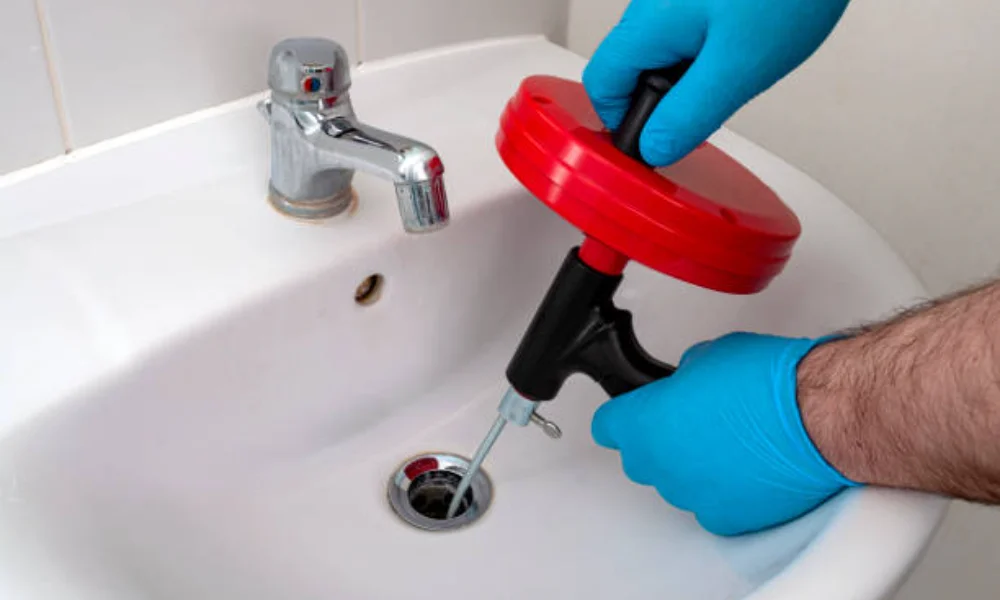
Persistent odors or recurring clogs may require professional hydro-jetting or snaking. This also helps address how to remove odor from the sink drain efficiently.
When a Smelly Sink Drain Points to a Bigger Problem
Some odors indicate more serious plumbing issues, such as a sewer line blockage. Sewer gases may contain harmful compounds like hydrogen sulfide and methane. Recognizing the signs early can prevent costly damage.
Sewer Gas Smell That Doesn’t Go Away
Odors that persist despite cleaning often indicate sewer gas escaping due to sagging or damaged pipes.
Multiple Drains With Odors or Slow Drainage
When multiple drains smell or drain slowly, the problem is likely in the main sewer line.
Gurgling Sounds or Backups in Other Fixtures
Bubbling or backups in other fixtures indicate air pressure problems or deeper blockages.
Persistent Odor After Thorough Cleaning
If odors remain after cleaning, professional inspection is necessary. A sewer line belly or hidden clogs may be causing the issue. Knowing these signs helps homeowners decide on preventive maintenance or repairs. Learn more about sewer line problems, protect your home and plumbing system.
FAQs
Do Baking Soda And Vinegar Deodorize Drains?
Yes, they neutralize odors and remove light buildup. This method is a simple first step before professional cleaning.
Is a Smelly Sink Drain a Health Risk?
Persistent sewer gases can contain harmful components, so addressing odors promptly is important.
How Do You Get Rid of Sewer Gas Smell In a Bathroom Sink?
Ensure the P-trap holds water and clean the drain. If odors persist, consult a professional plumber.
How Do You Maintain a Clean Sink Drain Odor?
Regular cleaning with hot water, baking soda, vinegar, and garbage disposal maintenance can prevent odors.
Call Anton Plumbing Heating & Cooling for Drain Cleaning Services in East Brunswick, NJ
A sewer line belly can lead to slow drains, persistent odors, and potential backups, signaling the need for timely attention. Smelly sinks often stem from grease buildup, bacteria, dry P-traps, or clogged drains, which can usually be addressed with proper cleaning and maintenance. However, if odors persist, multiple drains are affected, or you notice gurgling sounds, a professional inspection is essential. Regular upkeep, combined with expert drain cleaning, ensures your plumbing stays odor-free and fully functional.
If odors persist or you suspect a sewer line backup, contact Anton Plumbing Heating & Cooling. Our experts provide thorough inspections, professional drain cleaning, and effective sewer line solutions. Visit us or call today to restore a fresh, clean sink drain odor in your home.