What Type of Pipe Is Used for Gas Lines and Which Materials to Avoid
Gas lines provide power to some of a home’s most vital systems. They keep your stoves operating, heat your water, and ensure that your furnace functions properly. Because of their importance, many homeowners ask what type of pipe is used for gas lines and how to ensure safe installation. Choosing the appropriate material is not something to take lightly. One incorrect choice can result in leaks, poor performance, or major dangers. This tutorial will lead you through the best pipe options, the materials to avoid, and the factors that influence your choice. It also helps you understand what type of pipe is used for underground gas lines, which often confuses homeowners.
What Type of Pipe Is Used for Gas Lines?
When determining what type of pipe is used for gas lines, you must consider durability, code approval, and how well the material withstands pressure. Each type has a different function, and understanding the differences might help you avoid costly mistakes.
Black Iron Pipe
Black iron pipe has been a reliable choice for decades. It is tough, durable, and can withstand the high pressure of gas systems. Most indoor installations rely on this pipe since it is durable and does not bend readily. When plumbers require a material that feels substantial and secure, black iron is typically their first choice.
Galvanized Steel
Galvanized steel resembles black iron but has a zinc coating that reduces rust. However, this covering may wear off with time and block gas components. That is why many experts no longer favor it. Homeowners often wonder, can you mix galvanized and black pipe for gas line setups. The answer is usually no, because combining these materials might produce corrosion and connection issues. It’s safest to stay with one approved option.
Copper
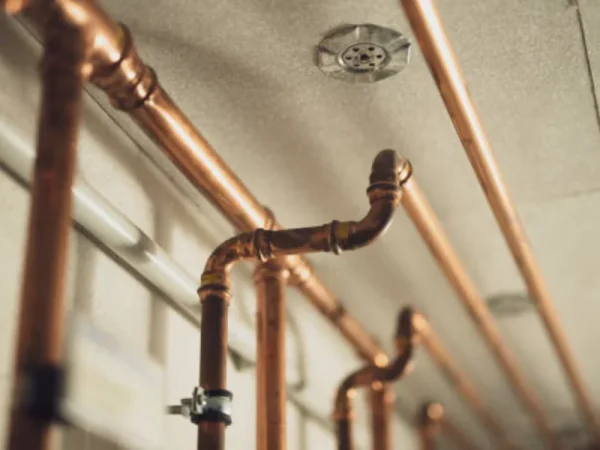
Copper pipes flex easily and can withstand pressure effectively. However, the restrictions on using copper for gas lines vary from state to state. Some regions permit it, while others prohibit it due to chemical interactions between copper and natural gas. Because of this ambiguity, most installers avoid copper unless the municipal code expressly permits it.
Corrugated Stainless Steel Tubing (CSST)
(CSST) is flexible, lightweight, and easy to navigate through tight locations. It minimizes the number of joints, lowering the chance of leaks. CSST is effective indoors, but it must be properly grounded for lightning protection. When properly fitted, it provides safe and efficient performance.
Polyethylene (PE) Pipe
It is the top choice for subterranean installations. If you’re wondering what type of pipe is used for underground gas lines, PE is usually the answer. It resists corrosion, withstands soil pressure, and lasts for many years. PE is never used indoors, but it’s ideal for outdoor and underground runs.
Factors that Determine Which Gas Pipe to Use
A variety of factors influence which pipe is best suited to your system. Knowing this makes the picking process easier and safer.
Gas Type and Pressure Level
Natural gas and propane require separate processing. High-pressure systems require stronger materials, such as black iron. Low-pressure systems may be compatible with CSST. The pipe must always meet the expected pressure.
Indoor vs. Outdoor Installation Requirements
Indoor installation prioritizes fire safety and structural stability. Outdoor systems must tolerate rain, soil movement, and corrosion. This is why PE pipe performs best underground, and CSST or black iron is utilized indoors.
Local Building Codes and Safety Regulations
You must always follow local codes. These rules specify approved pipes, connection methods, and testing procedures. They exist to prevent accidents, and ignoring them can lead to fines or dangerous situations.
Length of Run and Connection Points
Longer runs necessitate robust, pressure-tolerant pipes. Every joint increases the risk; thus, materials like CSST help to limit leak spots. Planning the route allows you to select the safest choice.
Soil Conditions and Corrosion Risk (for Underground Lines)
Some soil is acidic or contains moisture, which can corrode metal pipes. This is why PE is commonly used in subterranean systems. It resists corrosion and remains strong even in harsh soil conditions. Knowing what type of pipe is used for underground gas lines ensures you pick a material that survives harsh environments.
What Material Should Not Be Used for Gas Piping?
Not all pipes are suitable for gas lines. Some materials appear sturdy, yet they cannot withstand gas pressure or chemical exposure.
PVC or Plastic Water Pipes
PVC cannot withstand gas pressure. It becomes brittle, breaks readily, and is not compatible with any gas system. PVC is harmful and banned in most places.
Aluminum or Thin Metal Tubing
Aluminum degrades quickly and responds adversely to gas. Thin metal tubing bends and kinks, causing leak sites. These materials should not be utilized for gas piping.
Unapproved or Improvised Hose Connections
Hoses designed for water or air equipment are not intended for gas. They may melt, detach, or rupture. Gas systems must use only certified pipelines. Never use shortcuts.
Importance of Professional Gas Line Installation
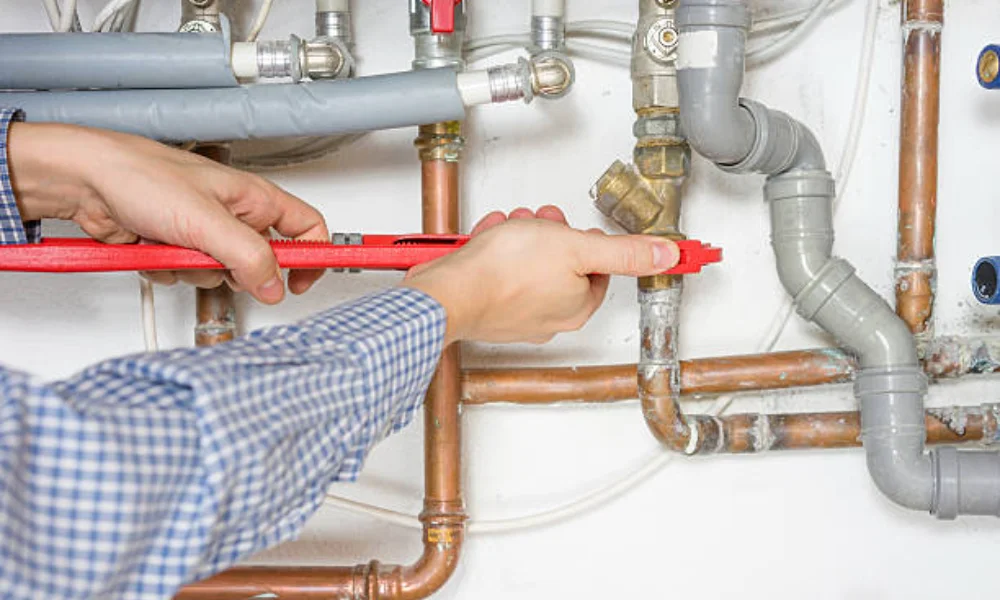
Professional installers ensure safety from beginning to end. Gas piping is not a place for speculation.
Ensures Code Compliance and Safety Testing
A professional expert follows all rules and conducts safety checks. This ensures your system’s legality and security.
Prevents Gas Leaks and Fire Hazards
Leaks are silent yet dangerous. A professional seals joints effectively and utilizes the appropriate materials to avoid hazards.
Guarantees Proper Sizing and Pressure Regulation
Proper pipe size keeps appliances functioning smoothly. The wrong size has an impact on both performance and safety.
Extends the Lifespan of the Entire Gas System
Good installation reduces wear and prevents premature failure. It saves you money in the long term.
Call Anton Plumbing Heating & Cooling for Top-Quality Gas Line Services
Choosing the right pipes can feel confusing, especially when dealing with questions like can you mix galvanized and black pipe for gas line setups, or what type of pipe is used for underground gas lines. A professional helps you avoid mistakes and ensures your gas lines stay safe for years.
When you require dependable installation, repair, or inspection, contact Anton Plumbing Heating & Cooling. Our licensed experts provide precise and dependable service. We handle gas lines with care and adhere to all safety guidelines.