
How Deep Is a Sewer Line and Why It Matters for Repairs
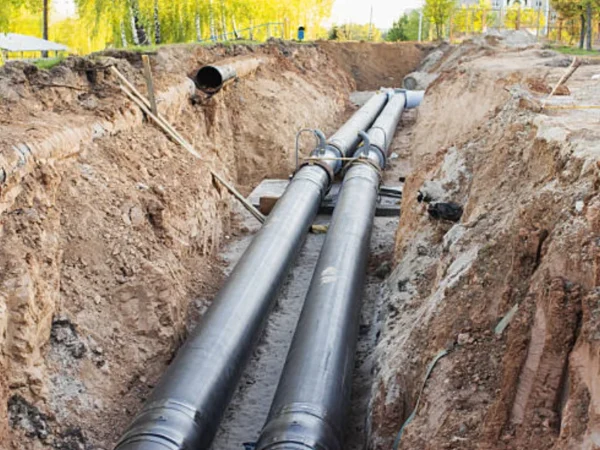
If you are dealing with sewer issues, one question often comes up: how deep is your sewer line? Understanding the depth of a sewer line is important because it directly affects repair methods, costs, and timelines. Whether you are facing slow drains or planning a property upgrade, knowing what lies beneath your yard helps you make better decisions. In this guide, you will learn how deep sewer lines typically are, what affects their depth, and why it matters during repairs.
How Deep Is a Sewer Line?
The depth of a sewer line varies based on several factors, and it is rarely the same for every property. In most homes, sewer lines are buried between 12 inches and 6 feet deep. However, depth increases as the pipe moves closer to the municipal connection. This variation happens because local codes, slope requirements, and environmental conditions influence how pipes are installed.
Several factors shape this depth, including municipal rules, frost protection, property slope, and the need for gravity flow. Soil conditions, utility conflicts, and even the age of your home also play a role. Understanding these elements helps you see why sewer line depth is not random but carefully planned for long-term function and safety.
Factors that Affect Sewer Line Depth
Local Building Codes and Municipal Requirements
Licensed plumbers follow local building codes that define minimum sewer line depth and installation practices. These rules are based on public health standards and long-term infrastructure safety. Municipal inspections also ensure compliance, which reduces the risk of failures and contamination issues.
Frost Line Depth in Colder Climates
In colder regions, professionals install sewer lines below the frost line to prevent freezing. This practice is based on engineering standards that protect pipes from expansion damage. Ignoring frost depth can lead to cracks, blockages, and costly emergency repairs during winter.
Property Elevation and Natural Slope
Experienced contractors design sewer lines to work with the natural slope of the land. This supports gravity-based flow, which is the most reliable and low-maintenance method for wastewater movement. Proper slope planning also reduces the need for mechanical systems like pumps.
Distance to the Municipal Sewer Main
As the distance from the main sewer increases, installers adjust the depth to maintain a consistent downward slope. This approach follows standard plumbing guidelines to ensure smooth and uninterrupted drainage. Without this adjustment, wastewater flow can slow down or back up.
Foundation Type (Slab, Crawl Space, or Basement)
The type of foundation directly affects how plumbing exits the home. Professionals account for this during installation to maintain proper alignment and depth. Basements often require deeper lines, while slab foundations keep pipes closer to the surface but still within safe limits.
Underground Utility Conflicts
Before installation, contractors perform utility checks to avoid conflicts with gas, water, or electrical lines. This process follows safety regulations and reduces the risk of accidental damage. Adjusting sewer depth ensures proper spacing and long-term system safety.
Soil Type and Stability
Soil conditions influence how well a sewer line stays in place over time. Engineers consider soil strength and movement patterns to decide depth and support methods. Stable installation reduces the chances of pipe shifting, sagging, or collapsing.
Topography and Grading Changes
Changes in land grading can impact how sewer lines function over time. Professionals plan for these variations to maintain proper flow direction. This approach helps prevent drainage issues that may develop after landscaping or construction changes.
Gravity Flow Requirements and Proper Pipe Pitch
Sewer systems depend on a precise slope to move waste efficiently. Industry standards, often around 1/4 inch per foot, guide this installation. Maintaining the correct pitch ensures a steady flow and reduces the risk of buildup inside the pipe.
Age of the Home and Original Installation Standards
Older properties may have sewer lines installed under outdated guidelines. Professionals often assess these systems carefully before repairs or upgrades. Identifying depth and alignment issues early helps prevent recurring plumbing problems.
According to the United States Environmental Protection Agency, the U.S. needs at least $630 billion over the next 20 years to upgrade wastewater and stormwater infrastructure. This highlights how critical proper sewer system design, installation depth, and timely repairs are for long-term reliability.
How Sewer Line Depth Affects Sewer Line Repair
The depth of a sewer line directly impacts how repairs are handled, how long they take, and how much they cost. Deeper lines often require more planning, while shallow lines face different risks. The depth also determines whether traditional excavation or trenchless methods are suitable. Understanding these differences helps you prepare for repair work. It also explains why two homes with similar issues may have very different repair estimates and timelines.
Deeper Lines Require Specialized Excavation
Repairing deep sewer lines involves advanced excavation methods and trained operators who understand underground infrastructure. Professionals use precise digging techniques and utility mapping to avoid damaging nearby lines. This level of work often requires permits, inspections, and strict safety protocols to ensure the repair is done correctly.
Shallow Lines Are More Prone to Surface Damage
Shallow sewer lines are easier to reach, but they face higher exposure to external pressure. Experienced plumbers often see damage caused by vehicles, construction activity, or even heavy landscaping. Regular inspection of shallow lines is recommended to catch early signs of stress or cracking.
In many cases, surface-related damage can also be connected to broader drainage issues around the property. Keeping storm drains clear plays an important role in preventing excess pressure on sewer systems.
Depth Affects Repair Method and Cost
The depth of the pipe plays a key role in deciding the repair approach. Professionals evaluate whether trenchless methods are suitable or if traditional excavation is required based on site conditions. This assessment ensures the repair method is both effective and aligned with industry best practices.
Access Challenges in Urban or Sloped Properties
In dense or uneven areas, reaching sewer lines requires careful planning and site evaluation. Contractors often use specialized equipment and techniques to work around limited space or difficult terrain. This approach helps maintain safety standards while reducing disruption to surrounding structures.
How to Locate a Sewer Line Before Repair
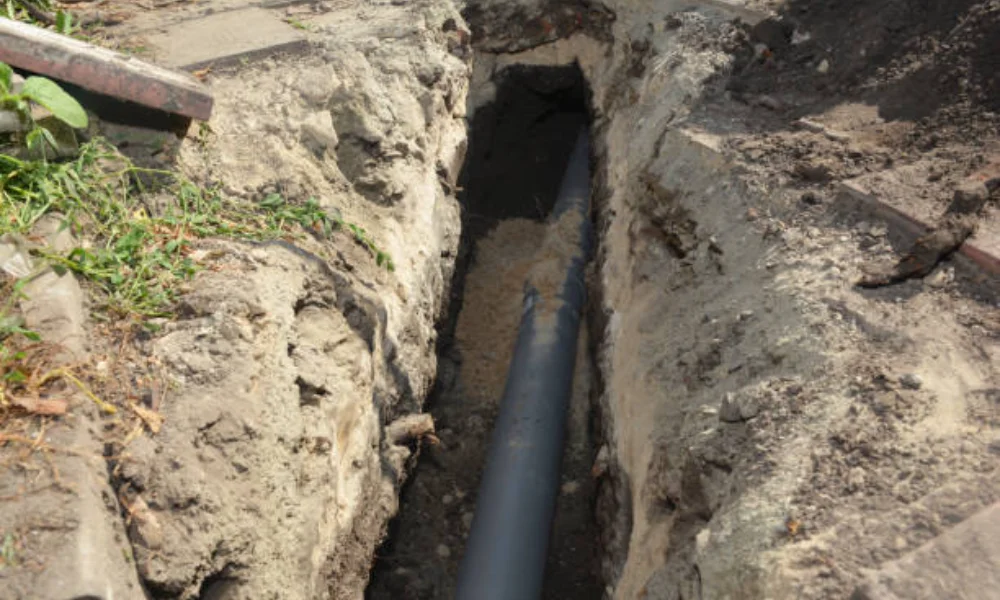
Before any repair begins, locating a sewer line accurately is essential to avoid costly damage and safety risks. Professionals rely on approved records, industry-standard tools, and proven diagnostic methods rather than guesswork. This ensures the exact position and depth are identified before any digging starts.
Accurate location also improves repair planning, reduces unnecessary excavation, and helps maintain safety compliance. It ensures the issue is addressed the first time correctly, saving both time and effort.
Identify the Sewer Cleanout
The cleanout is a designated access point installed by plumbers for inspection and maintenance. Professionals use it as the first reference point because it connects directly to the main sewer line. Its placement follows plumbing codes, which helps technicians begin tracing the line accurately without unnecessary digging.
Review Property or Utility Records
Licensed contractors often review approved building plans and utility maps before starting any work. These records are created during construction and provide reliable guidance on pipe direction and approximate depth. Using verified documents reduces guesswork and supports safer, more efficient planning.
Use Electronic Pipe Locating Equipment
Trained technicians use electronic locating tools that are standard in the plumbing industry. These devices send signals through the pipe, allowing accurate tracing without excavation. This method is widely trusted because it minimizes risk and helps avoid damage to nearby utilities.
Camera Inspection to Confirm Line Path
Camera inspections are performed using specialized waterproof equipment designed for sewer systems. Professionals rely on this method to visually confirm both the pipe route and its internal condition. This step ensures precise identification, which is essential before excavation or repair work begins.
FAQs
How Do I Know How Deep My Sewer Line Is?
You can estimate depth using property records or by checking the cleanout. However, professional inspection gives the most accurate result, especially when locating a sewer line for repairs.
Can You Drive Over A Buried Sewer Line?
Driving over a sewer line is risky, especially if it is shallow. Heavy weight can cause cracks or collapse, leading to costly repairs.
Are Sewer Lines Deeper Than Water Lines?
Yes, sewer lines are usually deeper than water lines. This helps maintain proper gravity flow and prevents contamination between systems.
Call Anton Plumbing Heating & Cooling for Expert Sewer Line Repair Options in New Jersey
Understanding the depth of a sewer line helps you make informed decisions when problems arise. From installation factors to repair challenges, depth plays a key role in how your plumbing system performs. It also affects how professionals approach excavation, equipment use, and repair techniques.
When you need reliable sewer line inspection or repair, trust experienced professionals who use accurate techniques for locating a sewer line and proven methods. Contact Anton Plumbing Heating & Cooling today to assess your system and find the best repair solution for your property.