How to Fix a Leaking Gas Pipe Joint
Gas lines keep many essential appliances running in your home. However, a small leak at a pipe joint can quickly become a serious safety concern. If you suspect a problem, understanding the basics of fixing a leaking gas pipe joint can help you respond quickly and safely. In this guide, you’ll learn the early warning signs of a gas leak, what immediate steps to take, how professionals repair leaking joints, and the common causes behind these issues.
What to Do if You Suspect a Gas Leak
Gas leaks require immediate attention because natural gas can ignite or affect indoor air quality. Quick actions such as leaving the area, avoiding electrical switches, and shutting off the gas supply can reduce risk. These steps protect you while trained technicians inspect the system and safely perform repairs. Acting calmly but quickly helps prevent dangerous situations and allows professionals to address the issue properly.
Leave the Area Immediately
The first step is to get everyone outside the building as quickly as possible. Gas leaks can accumulate indoors, especially in closed spaces like basements or utility rooms. Leaving the area reduces the risk of inhalation and prevents exposure to potentially explosive gas concentrations.
Once outside, maintain a safe distance from the building. This gives emergency responders and technicians room to inspect the area safely.
Avoid Using Electrical Devices
Do not turn on lights, appliances, or electrical switches. Even a small spark can ignite natural gas. This includes using doorbells, mobile chargers, or power outlets near the suspected leak.
Instead, leave everything as it is and move outdoors. Emergency professionals have specialized equipment designed to operate safely in gas-leak environments.
Shut Off the Gas Supply if It’s Safe
If you know where the main gas shut-off valve is located and you can access it safely, turning it off can help limit the amount of gas escaping. Most valves sit near the gas meter outside the home.
However, safety comes first. If the leak is strong or you smell heavy gas, leave immediately and wait for professionals to handle the shut-off.
Contact Professional Help
Gas line issues should always be handled by trained technicians. Professionals have leak detection tools, proper sealing materials, and knowledge of building safety codes. If you suspect a leak, contacting a licensed technician who specializes in professional gas line repair and inspection ensures the gas system is inspected and repaired safely.
How to Fix a Leaking Gas Pipe Joint: What Professionals Do
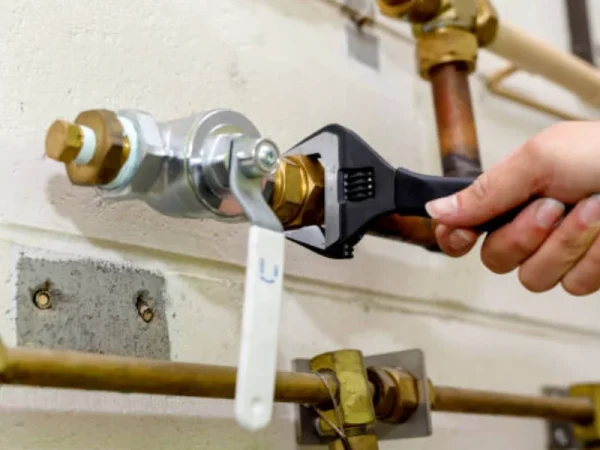
Fixing a leaking gas pipe joint requires a careful and methodical approach because gas systems operate under pressure and strict safety standards. Trained technicians examine the condition of pipe connections, confirm the exact leak source, and evaluate whether fittings or seals have deteriorated over time. They also ensure the repaired joint can handle normal gas pressure without failure. This process protects your home from hidden leaks, maintains proper appliance performance, and ensures the gas line meets safety codes before being placed back into operation.
Inspection of Gas Line Connections
Technicians begin with a careful inspection of all visible gas pipe joints and fittings. They examine threaded connections, valves, and flexible connectors for wear or looseness.
This inspection helps identify whether the leak comes from a single joint or a broader issue in the gas line system. In older homes, technicians often check multiple joints because corrosion or aging sealants can affect several connections at once.
Leak Detection
Professionals use specialized gas leak detectors to locate escaping gas. These electronic tools detect even small concentrations that may not be noticeable by smell.
Technicians may also apply a leak-detection solution on pipe joints. If bubbles appear, it confirms that gas is escaping from that location.
According to the U.S. Environmental Protection Agency, methane is the primary component of natural gas, and leaks can contribute to indoor air hazards and environmental impacts. Proper leak detection helps prevent these risks.
Replacement of Damaged Fittings
If a pipe fitting or connector is damaged, technicians replace it rather than attempting a temporary repair. Gas fittings must maintain airtight connections under pressure. Old or cracked fittings can weaken over time. Installing a new approved component ensures the joint remains secure and meets safety standards.
Proper Resealing
After replacing or tightening the fitting, technicians reseal threaded joints using professional-grade gas pipe sealant or thread compound. This sealant fills microscopic gaps between threads. Proper resealing prevents gas from escaping even under fluctuating pressure. Technicians apply the compound evenly and tighten the joint to the correct torque specification.
Pressure Testing and Code Compliance Verification
Once repairs are complete, technicians perform pressure testing on the gas line system. This test confirms that the pipe network holds pressure without leaks. They also verify that all work follows local building and safety codes. This step ensures the system operates safely and prevents future issues.
How Do You Know if Your Pipes Are Leaking Gas? Main Red Flags
Recognizing early warning signs helps prevent serious hazards. Gas leaks often show subtle indicators such as unusual smells, sounds, or physical symptoms indoors. These signs help homeowners identify problems early and call professionals before the situation worsens. Understanding these red flags is important when determining if your pipes are leaking gas, especially in homes with older gas systems.
Rotten Egg Smell
Natural gas itself is odorless. Utility companies add a chemical called mercaptan, which produces a strong sulfur or rotten egg smell. If you notice this odor inside your home, it may signal a gas leak near appliances or piping. The smell often becomes stronger near the leak source.
Hissing Sounds Near Piping
A small leak in a gas pipe joint can create a faint hissing or whistling sound. This occurs when pressurized gas escapes through a tiny opening. The sound may be easier to notice in quiet areas such as basements or mechanical rooms. Hearing this sound near piping is one of the common indicators people notice when asking how do you know if your pipes are leaking gas.
Unusual Physical Symptoms Indoors
Exposure to natural gas leaks can cause headaches, dizziness, or nausea. Some people may also feel fatigue or breathing discomfort.
If several people inside the home experience these symptoms at the same time, it may indicate poor indoor air conditions caused by a gas leak.
Pilot Lights Going Out Unexpectedly
Gas appliances rely on stable gas pressure to maintain a pilot flame. When a leak occurs in the line, pressure can drop. As a result, pilot lights in appliances like water heaters or furnaces may go out unexpectedly. Repeated pilot outages can be an early sign of whether your pipes are leaking gas.
What Causes a Gas Pipe Joint to Leak?
Gas pipe joints are designed to create a tight seal that keeps pressurized gas safely contained within the piping system. However, over time, several conditions can weaken that seal and allow gas to escape from the connection point. Changes in pressure, aging materials, environmental exposure, and structural movement inside a home can all affect how securely pipe joints hold together. Understanding the underlying reasons behind these failures helps homeowners recognize why gas leaks develop and why professional inspection and repair are necessary to restore a safe, airtight connection.
Loose Fittings
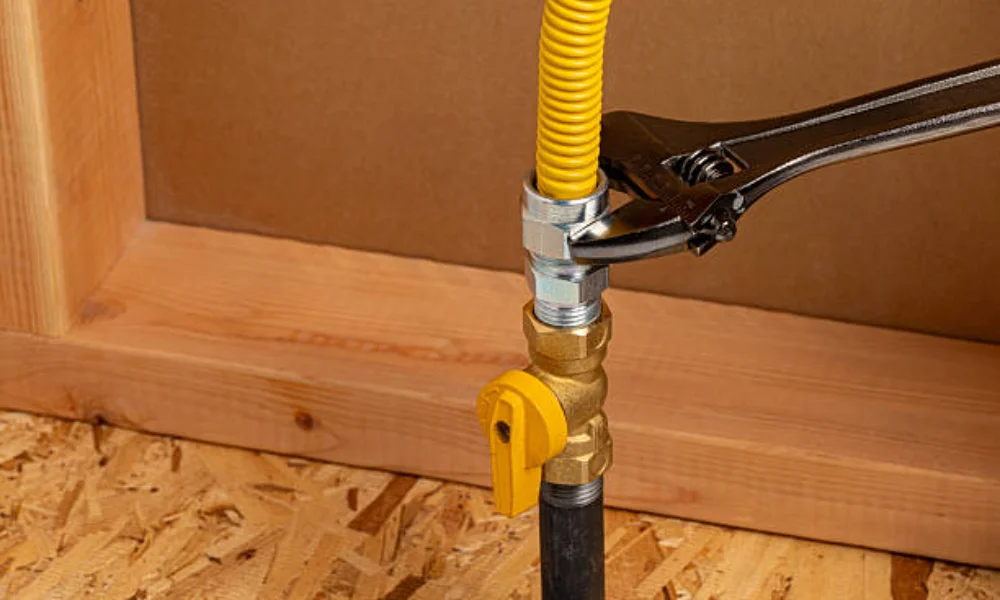
Gas pipes connect through threaded fittings. If a fitting loosens over time, small gaps can form between threads. These gaps allow gas to escape slowly. Vibrations from appliances or building movement can gradually loosen fittings.
Corrosion of Metal Components
Metal gas pipes can corrode after years of exposure to moisture or environmental conditions. Rust weakens the metal surface and affects threaded connections. Once corrosion develops, the joint may no longer seal properly. This often occurs in basements or outdoor gas lines.
Worn Sealant or Threading
Gas pipe joints rely on sealants or thread compounds to prevent leaks. Over time, these materials dry out or degrade. When sealant fails, gas can pass through microscopic openings between threads. This is a common reason technicians are called to fix a leaking gas pipe joint in older gas systems.
Physical Stress on Gas Lines
Gas lines can shift due to building movement, renovations, or accidental impacts. Even small shifts place stress on joints. This stress may loosen connections or damage fittings. Over time, the joint seal weakens and allows gas to escape.
FAQs
Is a Gas Pipe Leak Always an Emergency?
Most gas leaks require urgent attention because natural gas is highly flammable. Even a small leak can become dangerous if gas accumulates indoors. If you smell gas or suspect a leak, leave the area and contact professionals immediately.
How Long Does Gas Line Repair Take?
Repair time depends on the leak location and the condition of the piping system. Simple joint repairs may take a few hours. However, extensive corrosion or multiple leaks can require more time for safe replacement and testing.
Can You Patch a Gas Pipe?
Temporary patches are not recommended for gas pipes. Gas systems require sealed connections that meet safety codes. Professionals usually replace damaged fittings or sections of pipe rather than applying temporary fixes.
Contact Anton Plumbing Heating & Cooling for Professional Gas Line Repair in Northern and Central New Jersey
Gas leaks should never be ignored. Recognizing warning signs, leaving the area quickly, and calling trained technicians can prevent serious risks. Professional repairs involve detailed inspections, leak detection, proper resealing, and pressure testing to ensure safe gas line operation.
If you suspect a gas leak or need help fixing a leaking gas pipe joint, it is best to rely on experienced professionals. The team at Anton Plumbing Heating & Cooling provides reliable gas line inspection and repair services across Northern and Central New Jersey. Contact us today to schedule a professional evaluation and restore safety to your home’s gas system.