
HVAC Refrigerant: Types, How It Works, & Warning Signs
TL;DR: HVAC refrigerant is essential to your air conditioning system because it absorbs heat indoors and releases it outside. Understanding how refrigerant works and recognizing signs of a problem can help you know when your AC system needs professional attention.
- The HVAC refrigeration cycle moves refrigerant between the evaporator coil, compressor, condenser, and expansion device to transfer heat out of your home.
- Common refrigerant types include R-22, R-410A, R-32, and R-454B, but the correct type depends on the AC equipment.
- Signs of an AC refrigerant leak can include warm air, longer cooling cycles, higher energy bills, ice on the evaporator coil, and hissing sounds.
- An AC refrigerant recharge should follow proper diagnosis and repair of any underlying leak.
- Refrigerant work should be handled by qualified HVAC professionals using appropriate equipment and procedures.
When your air conditioner cools your home on a hot New Jersey afternoon, refrigerant is doing much of the work behind the scenes. Without it, your AC might move air through the vents, but it wouldn’t be able to effectively remove heat from your home.
HVAC refrigerant is a substance that circulates through an air conditioner or heat pump, changing pressure and temperature as it travels. Understanding what refrigerant does, the different types used in residential equipment, and the signs of a problem can help you know when it’s time to schedule professional AC repair.
Here’s what every homeowner should know about this essential part of an air conditioning system.
What Is HVAC Refrigerant?
HVAC refrigerant is the substance your cooling equipment uses to transfer heat. Rather than simply “creating cold air,” an air conditioner removes heat from indoor air and transfers that heat outdoors.
The refrigerant makes this process possible because it can change between liquid and vapor as its temperature and pressure change.
During normal operation, AC refrigerant circulates through a closed system. That means your air conditioner shouldn’t routinely consume refrigerant like a car consumes gasoline. If refrigerant levels become low, there may be a leak or another problem requiring professional attention.
The correct refrigerant for an AC unit depends on the equipment’s design and specifications. Refrigerants aren’t interchangeable, so technicians need to identify the refrigerant required by the system before servicing it.
How Does the HVAC Refrigeration Cycle Work?
The HVAC refrigeration cycle continuously transfers heat from inside your house to the outdoors. Four major components—the evaporator, compressor, condenser, and expansion device—work together to make that possible.
1. The Evaporator Coil Absorbs Heat
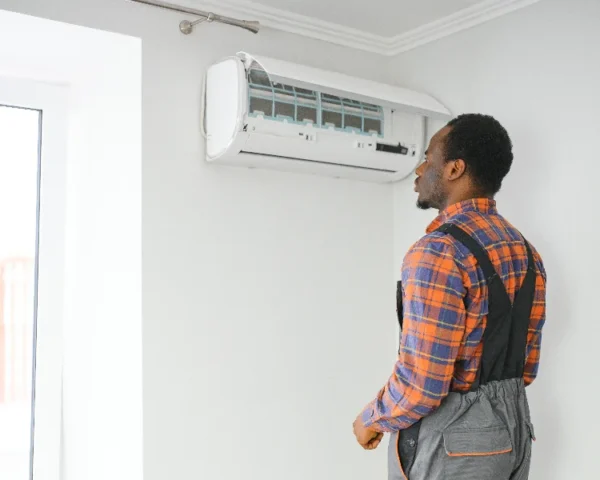
The evaporator coil is generally located inside your home as part of the indoor HVAC equipment. Warm indoor air passes across the cold coil.
Refrigerant inside the coil is able to absorb heat from this air. As the refrigerant absorbs energy, it changes from a low-pressure liquid into a vapor.
The newly cooled air is then circulated throughout your home.
2. The Compressor Raises the Pressure
The refrigerant vapor travels to the compressor in the outdoor unit. The compressor increases the pressure and temperature of the refrigerant so that it can release the heat it collected indoors.
3. The Condenser Releases Heat
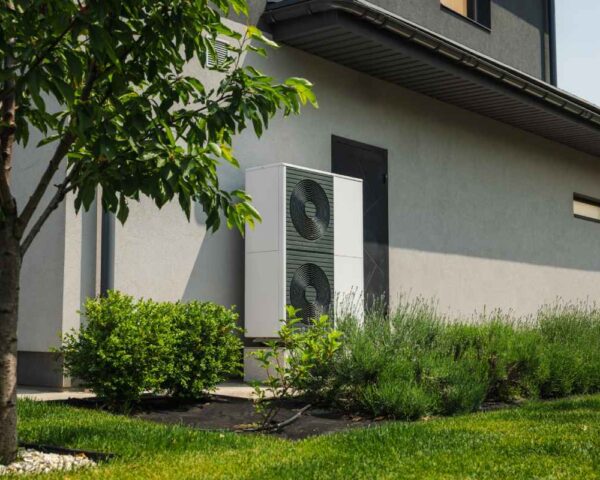
Next, the refrigerant enters the outdoor condenser coil. The condenser fan moves outdoor air across the coil, allowing the refrigerant to release heat outside.
As heat leaves the refrigerant, it condenses back into a liquid.
4. The Refrigerant Returns Indoors
The refrigerant travels through an expansion device, which reduces its pressure and temperature. It then returns to the evaporator to begin the process again.
Your AC system repeats this cycle over and over while it runs. The refrigerant lines connecting the indoor and outdoor equipment allow refrigerant to circulate between these components.
What Types of AC Refrigerant Are There?
The type of refrigerant an air conditioner uses often depends on when the equipment was manufactured. Refrigerant technology and environmental regulations have changed considerably over the years.
R-22
R-22, commonly known as Freon, was widely used in older residential air conditioners. Because R-22 contributes to ozone depletion, its production and import into the United States have been phased out.
Existing systems can still operate with R-22, but homeowners with older equipment may face more complicated and costly repairs if refrigerant is lost.
R-410A
R-410A became a common replacement for R-22 in residential air conditioning. It doesn’t contain the ozone-depleting chlorine associated with R-22.
However, HVAC refrigerant standards continue to evolve because of concerns about the global warming potential of refrigerants.
R-32 and R-454B
Newer refrigerant systems increasingly use lower-global-warming-potential refrigerants such as R-32 and R-454B. These refrigerants belong to the A2L safety classification, meaning they have lower flammability than refrigerants in more highly flammable classifications but require equipment specifically designed for their use.
You can’t simply choose a different refrigerant and put it into an existing system. Always use the refrigerant specified for your equipment and have refrigerant work completed by a qualified HVAC professional.
What Are the Warning Signs of an AC Refrigerant Leak?
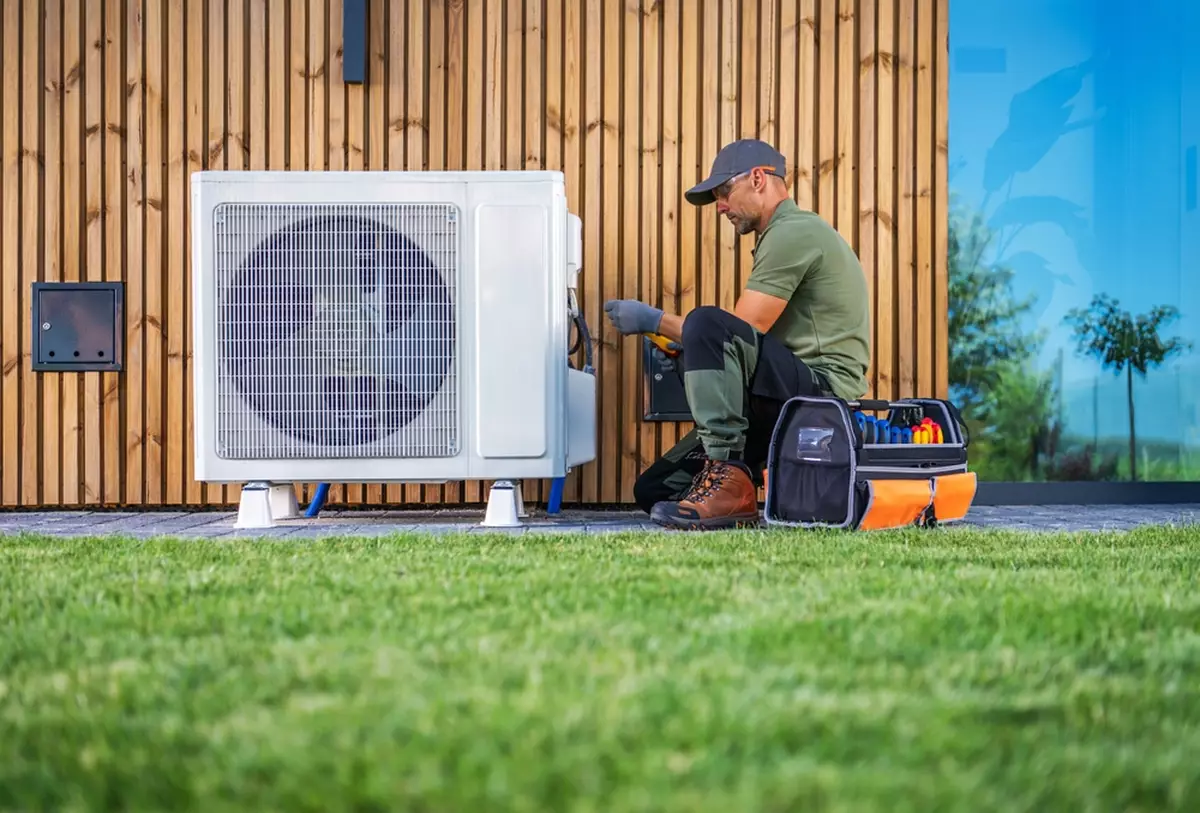
An AC refrigerant leak can prevent your system from cooling effectively and may eventually damage equipment. Refrigerant problems can occur around coils, fittings, valves, or refrigerant lines.
Watch for these common warning signs:
Warm Air From the Vents
If your thermostat is set correctly but the vents are blowing warmer air than expected, low refrigerant could be one possible cause. Several other HVAC problems can produce the same symptom, so professional diagnosis is important.
Longer Cooling Cycles
An air conditioner that struggles to transfer enough heat may run for longer periods. You might notice that the system rarely shuts off or takes much longer to reach the thermostat setting.
Higher Energy Bills
Longer operating cycles generally require more electricity. An unexplained increase in summer energy consumption can indicate an HVAC efficiency problem that deserves attention.
Ice on the Evaporator Coil
Insufficient refrigerant can cause the evaporator coil to become too cold, allowing moisture to freeze on the coil. Ice may also form on refrigerant lines.
A frozen coil doesn’t necessarily mean you have a refrigerant leak. Restricted airflow and other problems can also cause freezing.
Hissing or Bubbling Sounds
Depending on the location and severity of a leak, escaping refrigerant may produce hissing or bubbling sounds. Don’t attempt to locate or repair a refrigerant leak yourself.
Poor Cooling Performance
One of the most obvious signs is an air conditioner that simply can’t keep your house comfortable. If the equipment previously cooled effectively and now struggles on comparable days, it’s time for an inspection.
What Is an AC Refrigerant Recharge?
An AC refrigerant recharge involves adding the appropriate amount of refrigerant to an air conditioning system after the underlying issue has been addressed.
Adding refrigerant alone isn’t a permanent solution to a leaking system. Because an air conditioner normally operates as a closed loop, low refrigerant often means refrigerant has escaped somewhere.
A trained technician can inspect the equipment, look for leaks, perform necessary repairs, and determine the appropriate refrigerant charge according to manufacturer specifications.
Accurate charging matters. Too little or too much refrigerant can affect system performance and efficiency.
Should You Handle Refrigerant Problems Yourself?
Refrigerant work isn’t a typical DIY maintenance project. Refrigerants require specialized equipment and knowledge to handle correctly, and federal regulations govern how certain refrigerants are serviced and recovered.
Homeowners can still support their AC equipment by changing filters as recommended, keeping the outdoor unit clear of debris, monitoring energy bills, and scheduling routine HVAC maintenance.
If you see ice, notice weak cooling, hear unusual sounds, or suspect an AC refrigerant leak, turn to a qualified HVAC professional rather than trying to open refrigerant lines or recharge the system yourself.
Keep Your AC System Ready for New Jersey Summers
Your air conditioner depends on the right refrigerant charge and a properly functioning refrigeration cycle to keep your home comfortable. When something goes wrong, catching the problem early can help prevent a minor issue from becoming a larger repair.
Anton Plumbing Heating & Cooling provides professional AC maintenance and repair throughout Northern and Central New Jersey. Our licensed HVACR technicians can inspect your air conditioning system, diagnose cooling problems, and determine if refrigerant or another component is responsible.
If your AC isn’t keeping up with the heat, contact Anton Plumbing Heating & Cooling to schedule professional service and get your cooling system back on track.