
Can Water Heaters Leak Gas? Warning Signs and What to Do
Your water heater works quietly in the background, so it’s easy to assume everything is fine. But when something feels off, concerns about whether water heaters leak gas can quickly become serious. Even a small gas issue can create safety risks for your home and health. Here we will discuss what causes gas leaks, the warning signs to watch for, and the right steps to protect your home and family.
Can Water Heaters Leak Gas?
Yes, water heaters leak gas under certain conditions, and the risk often increases as the system ages or lacks proper upkeep. These leaks do not always happen suddenly; instead, they can develop slowly and remain unnoticed for some time. Even small issues can affect how safely your unit operates and how efficiently it performs. Recognizing that gas leaks are possible helps you stay alert to changes in performance, unusual smells, or other warning signs before they become serious problems.
What Causes a Gas Leak in a Water Heater?
Loose or Damaged Gas Line Connections
Gas lines connect the heater to your home’s gas supply, but these joints can loosen due to vibration or improper installation. Even a small gap can allow gas to escape steadily. Over time, this issue worsens and increases safety risks.
Faulty Gas Control Valve
The gas control valve regulates how much gas flows into the burner. When it fails, gas may leak even when the heater is off. This component is complex and requires professional inspection, as improper handling can be dangerous.
Worn Seals or Fittings
Seals and fittings prevent gas from escaping at connection points. However, heat exposure and aging can weaken them. As these materials degrade, small leaks may form, which often go unnoticed at first.
Corrosion Around Gas Components
Rust and corrosion can affect both the tank and nearby gas components. When metal weakens, it creates tiny openings where gas can leak. This issue is more common in older systems or areas with high humidity.
Signs Your Water Heater May Be Leaking Gas
Spotting early changes around your unit can make a big difference when dealing with a leaking gas water heater. These issues rarely appear all at once; instead, they tend to build gradually through small but noticeable shifts in how your system behaves. You may observe differences in how the unit operates, how the surrounding area feels, or how consistently it performs over time. Paying close attention to these subtle changes helps you respond early and reduce the risk of a more serious safety concern.
Rotten Egg or Sulfur Smell
Natural gas is odorless, but utility companies add a sulfur-like smell for safety. If you notice this odor near your heater, it often indicates a leaking gas water heater. The smell may start to fade and become stronger over time.
According to the U.S. Environmental Protection Agency, exposure to natural gas leaks can cause headaches, dizziness, and breathing issues. Learn more from the EPA here: https://www.epa.gov/natural-gas-star-program
Hissing Sounds Near the Unit
A hissing or whistling sound often points to gas escaping from a pipe or connection. This sound usually occurs when gas is under pressure and finds a small opening. Even a soft noise should not be ignored.
Pilot Light Problems
If the pilot light keeps going out or burns unevenly, it may signal a gas flow issue. In some cases, leaks disrupt proper combustion. A healthy pilot light should burn steadily and blue.
Unusual Physical Symptoms Indoors
Gas leaks can affect your body before you notice anything else. Symptoms like dizziness, nausea, or fatigue may occur, especially in enclosed spaces. If multiple people feel unwell at the same time, it could indicate a serious issue.
What to Do if You Suspect a Gas Leak
If you suspect a leaking gas water heater, the situation should be treated with urgency because even a minor delay can increase safety risks. Gas leaks can spread quickly through enclosed spaces, which makes early awareness and calm decision-making very important. Acting at the right time helps limit exposure, reduces the chance of ignition, and protects both your home and health.
Here is what to do:
Leave the Area Immediately
Move everyone out of the house as soon as you see signs of a gas leak. Fresh air reduces exposure and keeps you safe. Do not try to investigate the issue inside.
Avoid Using Electrical Devices
Switches, phones, or appliances can create sparks. Even a small spark can result in gas ignition in the air. Avoid turning anything on or off until you are safely outside.
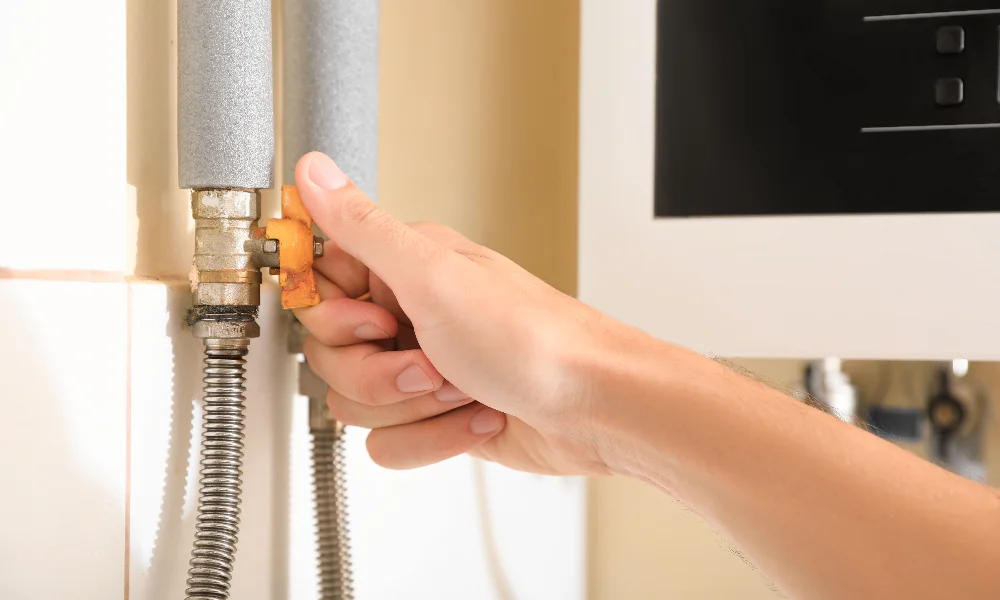
Shut Off the Gas Supply if Safe
If you know how to shut off the gas valve and can do it safely, it can stop the leak from worsening. However, do not attempt this if the smell is strong or the area feels unsafe.
Contact Professional Help
Call a licensed technician immediately to inspect the system. Prompt professional assessment ensures the issue is identified accurately and handled safely before it escalates.
For guidance on handling gas-related issues, you can also review this resource on fixing a gas pipe joint: https://antonplumbinghvac.com/how-to-fix-a-leaking-gas-pipe-joint/.
How Professionals Fix a Leaking Gas Water Heater
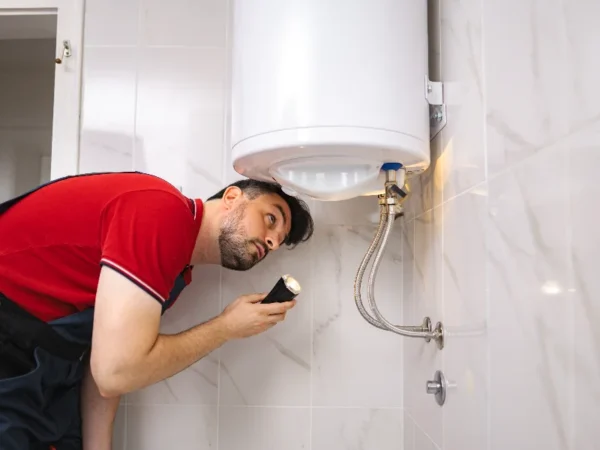
Fixing a leaking gas water heater requires specialized tools and proper training to ensure the work is done safely and correctly. These issues demand a careful and methodical approach, as even small errors can lead to ongoing risks. Professional handling helps restore safe operation while also improving the system’s overall reliability. It also gives you confidence that the problem has been addressed thoroughly.
Professionals follow these steps to fix a leaking gas water heater:
Gas Line Inspection
Technicians inspect gas lines and connections using calibrated detection tools that meet industry safety standards. They assess pressure stability, connection integrity, and material condition to identify even minor leaks. This detailed approach helps locate the exact source while ensuring the system meets required safety codes.
Repair or Replacement of Faulty Components
Professionals evaluate each component based on wear level, performance, and safety compliance before deciding on repair or replacement. They use approved parts that match manufacturer specifications, which helps maintain system integrity. This careful selection process supports long-term performance and reduces the risk of repeat issues.
Pressure Testing and Safety Checks
After completing the work, technicians perform controlled pressure tests to verify that the system is fully sealed. They also assess overall system safety to ensure it operates within acceptable limits. These final checks confirm that the water heater is functioning reliably and meets established safety standards.
FAQs
Is It Okay to Smell a Little Gas From a Water Heater?
No, even a faint gas smell should not be ignored. Gas systems are designed to be sealed. Any smell may indicate a leak that needs immediate attention.
How Long Will a Hot Water Heater Last Once It Starts Leaking?
If the leak involves water, the tank may fail soon. However, gas leaks require immediate repair regardless of the unit’s age. Delaying action increases safety risks.
How Common Are Hot Water Heater Explosions?
Explosions are rare but possible when gas leaks combine with ignition sources. Regular maintenance as well as quick response to warning signs reduce this risk significantly.
Contact Anton Plumbing Heating & Cooling for Water Heater Repair Services in Old Bridge, NJ
Gas leaks in water heaters require quick attention because even small issues can turn serious if ignored. Staying aware of performance changes and acting at the right time helps protect your home and safety.
If you suspect a leaking gas water heater, it is best to rely on trained professionals. Anton Plumbing Heating & Cooling provides expert inspection and repair services to keep your system safe and reliable. Contact our team today to schedule a pro check and ensure your water heater is operating the way it should.