How to Unclog a Sump Pump and Restore Performance
If your sump pump stops working when you need it most, your home can face serious water damage within minutes. That is why understanding how to unclog a sump pump is so important. A small blockage can reduce performance, increase pressure on the system, and even lead to complete failure. Here, we will shed light on how to spot early warning signs, clear common clogs safely, and keep your pump running efficiently when heavy water flow hits your basement.
How to Unclog a Sump Pump
When it comes to unclogging a sump pump, the process involves careful inspection, cleaning internal components, and restoring proper water flow. You need to focus on power safety, inlet blockage, debris buildup, discharge line issues, and system testing. Each step plays a role because even a small obstruction can reduce efficiency or stop the pump completely. This is how proper cleaning ensures long-term performance and avoids repeat issues.
Turn Off Power to the Pump
Before starting, disconnect the sump pump from its power source, either by unplugging it or switching off the circuit breaker. This step is critical because sump pumps operate in a wet environment, which increases the risk of electrical shock. Professional plumbers always isolate power first to prevent accidental activation while handling internal components. This approach not only protects you but also prevents sudden motor engagement, which can damage the impeller during inspection.
Check the Inlet Screen
The inlet screen acts as the first line of defense by filtering out sediment and debris before water enters the pump. However, over time, fine particles such as silt and organic sludge accumulate and restrict water flow. Carefully remove the screen and rinse it with clean water, ensuring all openings are fully cleared. If the buildup is hardened, use a soft brush instead of sharp tools, which can damage the mesh. Maintaining a clean inlet screen helps preserve suction efficiency and reduces strain on the motor.
Remove Debris From the Pit
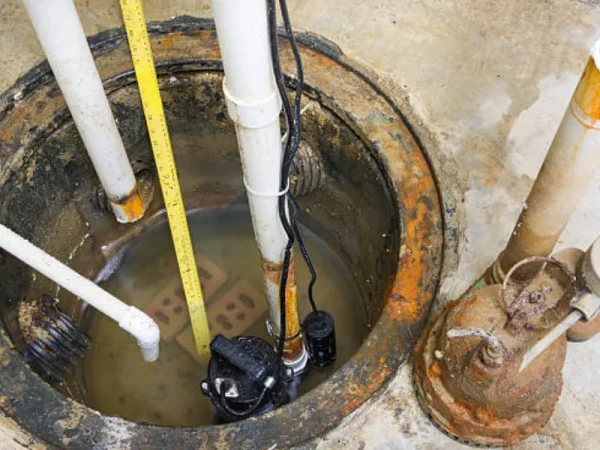
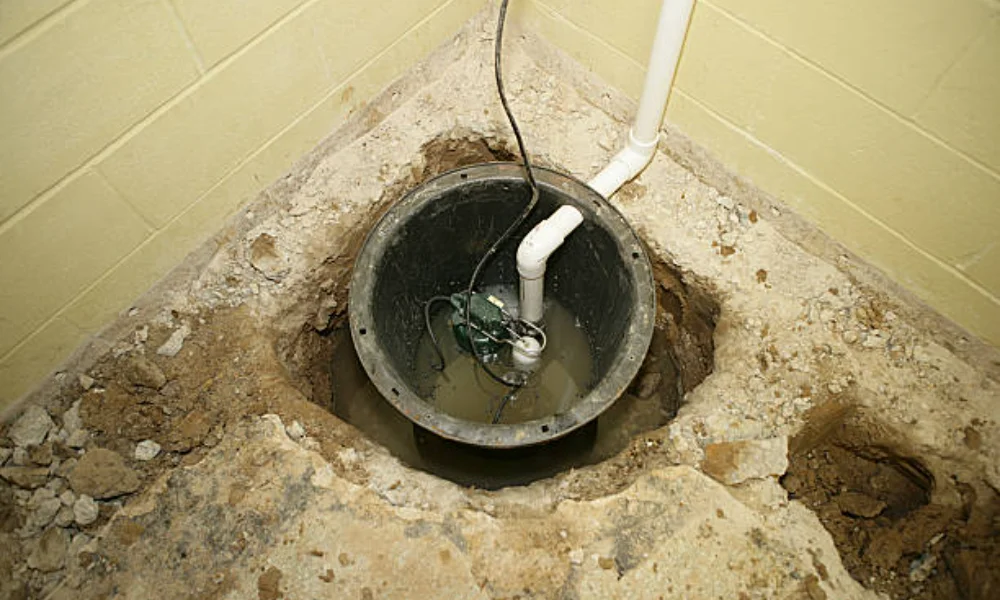
Sump pits naturally collect dirt, sand, gravel, and organic matter carried by groundwater. As this material settles, it forms a dense layer that can block the pump intake and interfere with the float mechanism. Remove loose debris manually and clear the base of the pit without disturbing the pump’s positioning. Professionals often recommend keeping the pump elevated on a stable base to minimize direct contact with sediment. This reduces the chances of clogging and, at the same time, improves long-term reliability.
Inspect the Discharge Line
The discharge line is responsible for moving water safely away from your foundation, but even a partial blockage can reduce system performance. Check for visible obstructions, such as debris, dirt buildup, or ice formation in colder conditions. Ensure the pipe has a proper slope and that the outlet directs water far enough from the home to prevent recirculation. A restricted discharge line can force the pump to work harder, increasing wear and shortening its lifespan.
Test the Pump After Clearing
Once cleaning is complete, reconnect the power and run a controlled test. Put water into the pit until the float switch activates the pump. Observe how quickly the water drains and whether the pump shuts off at the correct level. A properly functioning system should cycle smoothly without hesitation or unusual noise. Testing confirms that water flow is restored and that no hidden issues remain after cleaning.
Signs Your Sump Pump May Be Clogged
When a sump pump gets clogged, the issue usually develops gradually as debris restricts water flow and increases internal resistance. This added strain affects how efficiently the motor, impeller, and float switch operate together. As a result, the system may struggle to maintain proper drainage cycles, especially during heavy water inflow. Over time, this imbalance can lead to overheating, reduced pumping capacity, and premature wear. Recognizing these early performance changes helps you act before the system reaches a critical failure point.
Pump Runs but Doesn’t Remove Water
If the motor runs but water stays in the pit, the issue often lies in a blocked intake, jammed impeller, or restricted discharge line. In working systems, water should move out quickly once the float activates. When it does not, the pump is under load but unable to move water, which increases wear on internal components.
Strange Noises During Operation
Unusual sounds like grinding or rattling often indicate debris interfering with the impeller or motor assembly. A properly functioning pump runs with a steady, low hum, so any harsh noise signals internal obstruction or damage. Ignoring this can lead to impeller breakage or motor failure over time.
Slow Drainage From the Pit
When water drains slowly, it usually means a partial blockage in the intake or discharge path. Pumps are designed for rapid water removal, especially during heavy inflow. Reduced drainage speed shows the system is working inefficiently, which can strain the motor and increase the risk of overheating.
How Clogs Affect Pump Performance
Clogs restrict water flow, which forces the motor and impeller to operate under a higher load than designed. This added strain increases heat buildup, reduces efficiency, and can cause short cycling, where the pump turns on and off too frequently. Over time, this accelerates wear on critical components and raises the risk of sudden failure. According to the U.S. Environmental Protection Agency, poor drainage systems increase the risk of basement moisture issues and structural damage.
What Clogs a Sump Pump?
Clogs usually build up over time as materials enter the system and disrupt normal water movement. These obstructions affect how smoothly water reaches the pump and exits through the discharge line. The issue often starts small but worsens with regular use, especially during heavy water flow. Understanding how these problems develop helps you address the root cause instead of dealing with repeated performance issues.
Dirt and Sediment
Soil and fine particles enter the sump pit through groundwater. These settle at the bottom and eventually reach the pump intake. Over time, this reduces suction and blocks water flow.
Small Debris or Gravel
Gravel, leaves, and construction debris often enter uncovered pits. These materials can jam the impeller, which is the rotating part that moves water.
Frozen or Blocked Discharge Lines
In colder conditions, water inside the discharge line can freeze. This blocks the exit path, forcing water back into the pit. Even minor blockages reduce efficiency.
Improper Installation
If the pump sits directly on dirt or lacks a filter layer, debris enters easily. Poor discharge angles also cause backflow, which leads to repeated clogging.
How to Prevent Sump Pump Clogs
When a sump pump gets clogged, it often reflects a gradual decline in system condition rather than a sudden issue. These changes can go unnoticed until performance starts to drop during critical use. Over time, this affects reliability and puts the system at risk during heavy water flow. Paying close attention to overall system condition helps maintain consistent performance.
Routine Cleaning of the Pit
Clean the sump pit every few months. Remove sediment and debris before it builds up. This keeps the intake clear and improves performance.
Use of a Protective Pump Cover
A sealed cover prevents debris from entering the pit. It also reduces moisture and improves safety by limiting exposure.
Regular System Inspection
Check the pump, float switch, and discharge line periodically. Early detection of wear or blockage prevents major failures.
Proper Discharge Line Maintenance
Ensure the discharge line is free from obstructions. Extend it away from your foundation to avoid water returning to the pit. If you are unsure about system behavior during storms, this guide on how often a sump pump should run during heavy rain can help you understand normal operation patterns:
https://antonplumbinghvac.com/how-often-should-sump-pump-run-during-heavy-rain/
When Professional Repair Is Needed
Some sump pump issues go beyond basic cleaning. If problems continue after maintenance, deeper mechanical or installation faults may exist. In such cases, expert inspection ensures the system works safely and reliably. Overlooking these signs can lead to complete failure.
Here is when professional repair is required:
Recurring Clogs
Frequent clogging often points to deeper system issues such as improper basin setup, incorrect pump sizing, or poor drainage design. A professional can evaluate how water enters and exits the system under load conditions. Identifying these factors helps correct the root problem instead of repeating temporary fixes.
Pump Failure After Clearing
If the pump does not operate properly after cleaning, internal components like the motor, impeller, or float switch may be worn or damaged. These parts control water movement and activation cycles, so any failure affects performance. A detailed inspection is needed to confirm whether repair or replacement is required.
Signs of Mechanical Damage
Rust, corrosion, or excessive vibration usually indicates internal wear affecting moving parts and structural integrity. These conditions can reduce efficiency and lead to sudden failure if left unaddressed. Professional servicing ensures damaged components are safely repaired or replaced to restore reliable operation.
FAQs
What Is The Most Common Problem with Sump Pumps?
The most common issue is clogging caused by debris or sediment. This restricts water flow and reduces efficiency over time.
Can I Pour Vinegar in a Sump Pump?
Vinegar can help break down minor buildup, but it does not remove solid debris. Use it only as a light cleaning aid, not a primary solution.
What Is The Typical Lifespan of a Sump Pump?
Many sump pumps last 7 to 10 years with proper maintenance. Heavy usage or poor care can shorten this lifespan.
Can a Sump Pump Get Clogged?
Yes, a sump pump can get clogged due to dirt, debris, or discharge issues. Regular maintenance helps prevent this problem.
Call Anton Plumbing Heating & Cooling for Sump Pump Repair Services in Old Bridge, NJ
A sump pump works best when water flows freely through the intake, pit, and discharge line without restriction. Blockages, debris buildup, and system strain can reduce performance and lead to repeated issues over time. Addressing these problems early helps maintain proper drainage and protects your home from unexpected water damage.
If your sump pump shows signs of failure or recurring clogs, professional service ensures the system is inspected thoroughly and restored correctly. Anton Plumbing Heating & Cooling provides reliable sump pump repair and maintenance in Old Bridge, NJ. Schedule a service today to keep your system running efficiently when you need it most.