What is HVAC Cleaning and How Does it Improve System Performance?
Your HVAC system works silently to keep your home comfortable, but have you ever wondered what’s happening inside the ducts and vents? What is HVAC Cleaning and how does it improve system performance isn’t just a technical question; it affects the air you breathe, your power bills, as well as the lifespan of your system. Dust, allergens, and grime can accumulate over time, making your system work harder and less efficiently. Understanding how HVAC cleaning works helps you maintain cleaner air, smoother airflow, and a system that performs at its best.
What Is HVAC Cleaning?
HVAC cleaning refers to the thorough cleaning of the heating, ventilation, and air conditioning system’s internal components. It goes beyond wiping vents. It includes removing buildup from ducts, coils, blower assemblies, and other working parts that directly affect airflow and performance. When done correctly, it supports cleaner air, steady airflow, and smoother equipment operation.
HVAC cleaning is a structured maintenance service performed by trained technicians. They use specialized tools to clean the whole system, not just visible parts. This is how HVAC Cleaning and How Does it Improve System Performance become practical concerns rather than marketing phrases.
The Importance of HVAC Cleaning
A clean system does more than look good. It directly influences how your home feels and how much you spend on utilities. Below are the key ways it benefits you.
Improves Indoor Air Quality
Your HVAC system circulates the same air multiple times each day. If ducts contain dust, pet dander, or debris, those particles re-enter your living space. The U.S. Environmental Protection Agency explains that indoor air can be more polluted than outdoor air in some cases. Keeping internal HVAC components clean helps reduce the buildup that contributes to poor indoor air conditions.
Prevents Dust and Allergen Circulation
Dust accumulates inside ductwork and on blower components over time. When the system starts, these particles can spread throughout your home. Regular cleaning reduces the chance of allergens being continuously recirculated, especially in homes with pets or allergy-sensitive occupants.
Boosts Energy Efficiency and Reduces Utility Costs
When coils and fans are coated with grime, airflow becomes restricted. The system works harder to reach the thermostat setting. Cleaning restores smoother airflow and better heat exchange. This helps the unit operate closer to its designed efficiency level, which can lower energy use.
Extends the Life of the HVAC System
Mechanical components wear faster when they operate under strain. Dirt on coils can trap heat, while debris in blower assemblies can create an imbalance. By removing buildup, cleaning reduces stress on moving parts. Over time, this may help extend equipment lifespan.
Reduces the Risk of Mold, Odors, and Mechanical Damage
Moisture inside drain pans or ducts can create conditions for mold growth. Musty odors often signal hidden buildup. Cleaning and sanitizing vulnerable areas reduces these risks and protects metal components from corrosion or damage.
The Professional HVAC Cleaning Process
Professional HVAC cleaning ensures your system operates efficiently while maintaining healthy indoor air. It removes hidden dust, allergens, and grime that can restrict airflow, cause odors, or increase energy use. Proper cleaning also reduces strain on mechanical components, helping extend the system’s lifespan. Restoring optimal performance improves comfort, prevents costly repairs, and supports a cleaner, safer home environment.
Here is how professionals clean HVAC:
Initial Inspection and System Evaluation
The process begins with a detailed inspection. Technicians examine ducts, coils, blower motors, and filters. They check for heavy debris, moisture issues, or signs of mechanical wear. This evaluation helps determine the right cleaning method and ensures no hidden problems are overlooked.
Use of High-Powered Vacuums and Brushes
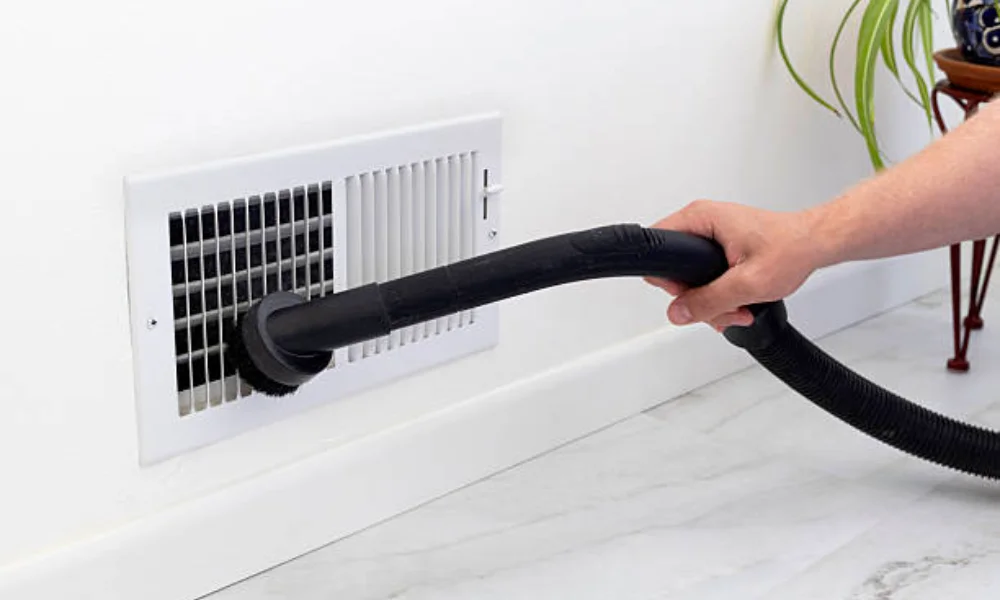
Professionals use sealed vacuum systems that create negative pressure inside ducts. This prevents dust from spreading into your home. Rotating brushes and air whips loosen debris attached to duct walls. The vacuum then safely removes the dislodged material.
Cleaning of Key Components
Cleaning is not limited to ducts. Several working parts require attention for real performance improvement.
Air Ducts and Vents
Duct interiors collect dust and particles over time. Vents and registers also trap visible debris. Thorough cleaning improves airflow consistency and reduces the spread of contaminants.
Coils, Blower Fans, and Drain Pans
Evaporator and condenser coils transfer heat. When coated with dirt, heat exchange becomes less efficient. Blower fans move air through the system, and an imbalance from dust buildup can strain motors. Drain pans must remain clean to prevent standing water and microbial growth.
Filters and Registers
Filters capture airborne particles before air circulates. However, clogged filters restrict airflow. Technicians inspect and replace or recommend replacing filters as needed, which supports better system function.
Final Sanitization and Performance Check
After debris removal, technicians may apply approved sanitizing solutions to targeted areas. This helps address odor-causing bacteria. They then test airflow, inspect connections, and confirm that the system operates smoothly before completing the service.
How Long Does HVAC Cleaning Take?
HVAC cleaning time varies depending on the system’s size and condition. A standard residential system may take several hours. Larger homes or heavily contaminated systems require more time. A proper job should never feel rushed.
Factors That Influence Cleaning Time
Several conditions affect how long the service takes. Here are some of them:
Accessibility of Ductwork and Components
The layout and accessibility of your HVAC system significantly affect cleaning efficiency. Straight, open duct runs allow technicians to reach and clean surfaces thoroughly, while tight crawl spaces, concealed ducts, or complex HVAC designs require more time and care. Experienced professionals assess accessibility to ensure all areas receive proper attention without risking damage to fragile components.
Amount of Dust, Mold, or Debris Present
The level of contamination directly impacts the cleaning process. Systems with heavy dust accumulation, mold growth, or significant debris require specialized techniques to remove buildup safely. According to the National Air Duct Cleaners Association (NADCA), thorough cleaning of highly contaminated systems is critical to prevent particle redistribution and maintain indoor air quality.
Equipment Used by the Technician
Professional-grade tools are essential for effective HVAC cleaning. High-powered vacuums with HEPA filters, rotary brushes, and air agitation devices allow technicians to remove hidden dust and allergens efficiently. Proper equipment ensures a deep clean while minimizing disruption, preserving system components, and delivering measurable performance improvements.
For a broader understanding of how heating equipment fits into the system, you can read more here: https://antonplumbinghvac.com/is-furnace-part-of-hvac/. This helps clarify how different components connect within your HVAC system.
How Often Should an HVAC System Be Cleaned?
Homeowners often ask, how often should HVAC be cleaned to maintain performance. There is no single answer for every home. However, many systems benefit from periodic inspection and cleaning based on usage and environmental conditions. Understanding HVAC Cleaning frequency depends on your living situation and system demands. Also, cleaning intervals should align with real-world factors, not guesswork.
Factors That Affect Cleaning Frequency
How often your HVAC system needs cleaning depends on air quality, system usage, and environmental conditions. Homes with dust, pets, or recent renovations tend to accumulate debris faster. Regular evaluation helps maintain airflow, prevent allergens, and protect your system’s efficiency.
These factors affect HVAC cleaning frequency:
Local Air Quality and Dust Levels
Homes in dusty areas or near construction sites accumulate debris faster. Poor outdoor air conditions can increase indoor contamination.
Age and Usage of the HVAC System
Older systems may collect debris more quickly due to worn seals or declining efficiency. Systems that run year-round experience more buildup.
Recent Renovations or Water Damage Incidents
Construction projects release drywall dust and fine particles into the air. Water damage may introduce moisture into ducts, which requires professional evaluation.
Signs Your HVAC System Needs Cleaning
Your HVAC system’s performance can gradually decline without an obvious warning. Inefficient operation can increase energy use, reduce comfort, and put extra strain on components. Regular professional cleaning addresses hidden contamination, helping maintain consistent airflow, improve air quality, and extend the system’s lifespan.
Visible Dust or Debris Around Vents
If you notice dust blowing from vents, buildup may exist inside ducts. Accumulated debris around registers also signals potential internal contamination.
Musty or Stale Odors From Airflow
Unpleasant smells when the system runs may indicate microbial growth or stagnant moisture within the system.
Inconsistent Airflow or Hot and Cold Spots
Blocked ducts or dirty components can restrict airflow. This may cause uneven temperatures in different rooms.
Increased Allergy or Respiratory Symptoms
If household members experience more allergy symptoms indoors, contaminated air circulation could be contributing.
FAQs
What Is the Difference Between Air Duct Cleaning And HVAC Cleaning?
Air duct cleaning focuses primarily on ductwork. HVAC cleaning covers the entire system, including coils, blower assemblies, and drain pans.
Does HVAC Cleaning Get Rid of Mold?
Cleaning can remove surface mold and reduce conditions that allow growth. However, severe contamination may require additional remediation. A professional assessment ensures the correct treatment approach.
Is HVAC Cleaning Messy?
When performed correctly, the process should not create a mess inside your home. Technicians use sealed equipment and protective coverings. This keeps debris contained while the system is being cleaned.
Call Anton Plumbing Heating & Cooling for AC Tune-Up and Maintenance in Northern and Central NJ
HVAC systems work hard year-round. Dust, debris, and moisture slowly affect airflow, efficiency, and comfort. HVAC cleaning addresses these hidden issues by removing buildup from ducts, coils, and mechanical components. It improves indoor air quality, supports energy efficiency, and helps protect your equipment investment.
If you live in Northern or Central New Jersey and want reliable service, contact Anton Plumbing Heating & Cooling. Our experienced team can inspect your system, recommend the right cleaning schedule, and provide professional AC tune-ups and maintenance. Clean systems run better, last longer, and keep your home comfortable throughout every season.