How to Tell if a Heat Exchanger Is Cracked in a Furnace
Your furnace may look fine from the outside, but hidden internal damage can quietly put your home at risk. Understanding whether a heat exchanger is cracked in a furnace is essential when you notice odd smells, unusual noises, or changes in flame color. This problem affects more than comfort; it can impact your safety and indoor air quality. In this guide, you will understand the warning signs, what causes the damage, the risks involved, and how professionals accurately diagnose the issue before recommending repair or replacement.
How to Tell if a Heat Exchanger Is Cracked
When you suspect that a heat exchanger is cracked, certain warning signs often appear before total failure. You may notice unusual odors, soot buildup, flame color changes, or unfamiliar noises during operation. These symptoms signal combustion imbalance inside the sealed chamber. Because the exchanger keeps harmful gases separate from indoor air, even small cracks can affect safety. Recognizing these changes early helps prevent serious carbon monoxide risks.
Unusual Odors or a Carbon Monoxide Smell
A cracked exchanger may allow combustion gases to escape. You might notice a sharp, metallic, or chemical odor when the furnace runs. Carbon monoxide has no smell, which makes this issue serious. According to the U.S. Consumer Product Safety Commission (CPSC), more than 200 people in the United States die each year from accidental non-fire-related carbon monoxide poisoning associated with consumer products.
If your carbon monoxide detector activates, turn off the furnace and call a professional immediately.
Soot or Burn Marks Inside the Furnace
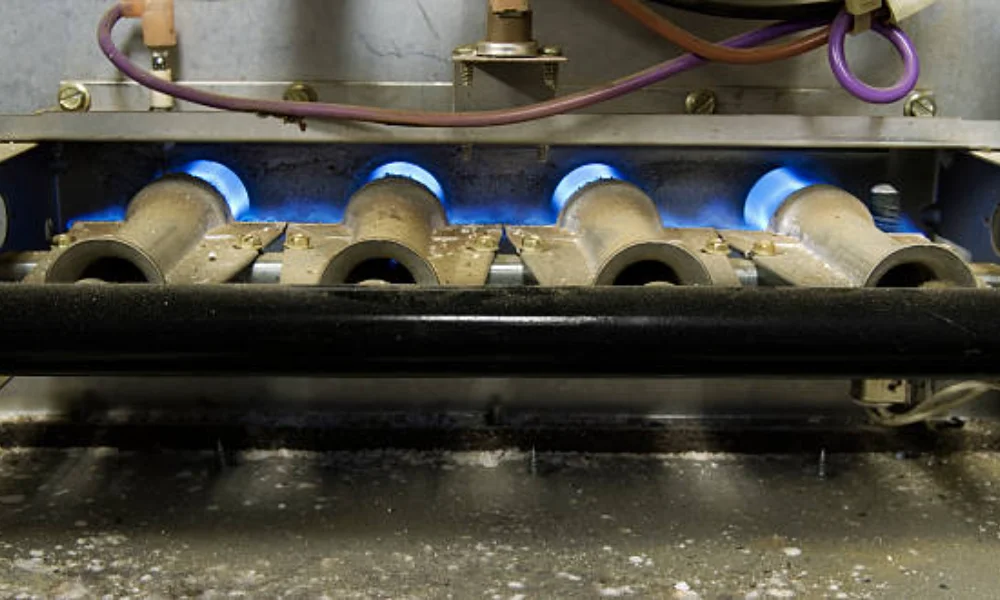
Excess soot inside the burner compartment often signals incomplete combustion. This can happen when a crack changes airflow patterns. Dark streaks or rust flakes near the exchanger area also indicate structural stress. A licensed technician should inspect these signs without delay.
Yellow or Flickering Burner Flame Instead of Blue
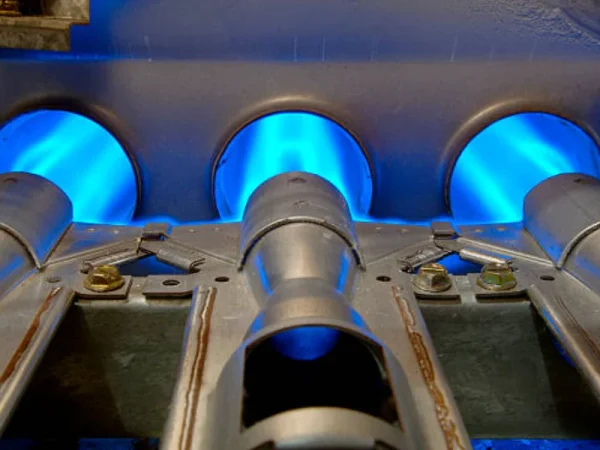
A healthy gas furnace produces a steady blue flame. However, if the flame turns yellow or flickers erratically, airflow disruption may exist. Cracks in the exchanger can distort burner operation. This change reduces efficiency and increases carbon monoxide production.
Strange Noises When the Furnace Starts or Runs
You may hear rattling, popping, or banging during startup. Metal expands as it heats, but cracked metal shifts unevenly. These noises often develop gradually. If they worsen over time, internal damage could be advancing.
What Causes a Heat Exchanger to Crack
Heat exchangers endure extreme temperature swings. Over time, stress builds inside the metal walls. Several mechanical and environmental factors contribute to damage. The most common causes of heat exchanger cracks include overheating, corrosion, lack of maintenance, age, and improper system sizing. Each factor weakens the metal structure, which eventually leads to splits or fractures.
Overheating From Restricted Airflow
Blocked air filters or closed vents restrict airflow. When airflow drops, internal temperatures rise beyond design limits.
Repeated overheating expands and contracts the metal excessively. This stress weakens weld points and seams.
Corrosion From Moisture or Combustion Gases
Moisture forms during combustion. If venting is poor, acidic condensate can collect inside the exchanger. Over time, corrosion thins the metal walls. Rust weakens structural integrity and increases the risk of cracking.
Poor Furnace Maintenance Over Time
Skipping annual inspections allows small issues to worsen. Dirt buildup, burner misalignment, and airflow problems go unnoticed. Routine service helps identify stress points early. Without maintenance, metal fatigue accelerates.
Age and Natural Metal Fatigue
Even high-quality heat exchangers have a lifespan. Metal repeatedly expands and contracts with each heating cycle. Eventually, microscopic fractures form. These grow into visible cracks under continued stress.
Improperly Sized Furnace or Short Cycling
An oversized furnace heats the home too quickly. It shuts off before completing a full heating cycle. This short cycling causes frequent expansion and contraction. Over time, the exchanger weakens from thermal stress.
Dangers of a Cracked Heat Exchanger
A cracked heat exchanger creates serious safety and performance risks inside your home. When the metal barrier fails, combustion gases can escape into the airflow system instead of venting outdoors. This not only reduces heating efficiency but also elevate the risk of carbon monoxide exposure and overheating within the furnace cabinet. In some cases, continued operation can strain other components and raise fire hazards. Understanding these dangers highlights why immediate professional inspection is essential for safe operation.
Carbon Monoxide Leaks Into the Home
The exchanger’s main job is to separate combustion gases from breathable air. A crack compromises that barrier. Even small leaks can allow carbon monoxide to mix with indoor air. This gas is colorless and odorless, which makes detection difficult without alarms.
Reduced Furnace Efficiency and Performance
When combustion becomes unstable, fuel burns inefficiently. This increases energy consumption and places added strain on system components. Since the furnace works as a central heating unit within the larger HVAC system, understanding the furnace as a part of HVAC helps explain how a cracked heat exchanger can affect overall airflow and temperature control throughout your home. Your home may feel unevenly heated, and utility bills may rise without an obvious explanation.
Risk of Fire or Further System Damage
Cracks can worsen quickly. Escaping flames or excessive heat may damage nearby components. If ignored, the furnace may shut down entirely. In severe cases, electrical parts or insulation can be affected.
Health Symptoms From Exposure (Headaches, Dizziness, Nausea)
Carbon monoxide exposure often begins with mild symptoms. You may experience headaches or dizziness. Prolonged exposure can cause confusion or nausea. If symptoms improve when leaving home, call for inspection immediately.
How Professionals Check for a Cracked Heat Exchanger
Professionals follow a structured diagnostic process to confirm internal damage safely and accurately. Since many cracks form inside sealed chambers, technicians use controlled testing conditions and precision tools to detect structural weaknesses. They evaluate combustion performance, airflow patterns, and exhaust gas levels to identify abnormalities. This thorough approach prevents misdiagnosis and ensures the furnace meets safety standards before continuing operation.
Visual Inspection With Mirrors or Scopes
Technicians remove panels and examine the exchanger using mirrors or fiber-optic scopes. Small cracks often hide in seams or bends. Proper lighting and magnification help detect them accurately.
Carbon Monoxide Testing Around Vents and Burners
Professionals measure carbon monoxide levels near the furnace and supply vents. Elevated readings during operation may indicate combustion gas leakage from a cracked chamber.
Pressure Testing and Combustion Analysis
Pressure differences inside the exchanger reveal structural breaches. Combustion analysis measures oxygen and carbon monoxide ratios. Abnormal readings suggest incomplete combustion caused by cracks.
Use of Specialized Cameras or Diagnostic Tools
Advanced cameras capture high-resolution images inside narrow passages. This technology helps confirm damage without dismantling major components.
Is It Better to Fix or Replace a Cracked Heat Exchanger?
Deciding between repair and replacement depends on furnace age, warranty status, and damage severity. Fixing a cracked heat exchanger is sometimes possible, but replacement often provides safer long-term results. A licensed HVAC professional evaluates whether restoring safe operation is realistic.
When Heat Exchanger Replacement Makes Sense
Furnace Is Relatively New and Under Warranty
If the unit remains under manufacturer warranty, replacement of the exchanger may be covered. This reduces financial burden while restoring safety.
Damage Is Limited to a Single Component
When the rest of the furnace functions well, replacing only the exchanger may be practical. This option avoids replacing the entire system unnecessarily.
Replacement Restores Efficiency and Safe Operation
A new exchanger eliminates combustion leaks. Efficiency returns to normal levels, and carbon monoxide risks decline significantly.
When Repair May Still Be Possible
Minor Cracks Detected Early
Very small fractures discovered early may allow temporary solutions. However, ongoing monitoring is required to ensure safety.
Temporary Fix While Awaiting Replacement
In some cases, short-term operation may continue under strict supervision. This only occurs after a professional inspection confirms a manageable risk.
Professional Inspection Confirms Safe Operation After Repair
A technician must test combustion levels after any repair. Safety verification ensures no dangerous gases escape.
FAQs
What Do Flames Look Like With a Cracked Heat Exchanger?
Burner flames may flicker or appear yellow. They may move irregularly when the blower starts. This indicates airflow disturbance within the combustion chamber.
Can a Cracked Heat Exchanger Cause an Explosion?
Direct explosions are rare. However, improper combustion can create unsafe gas buildup. This increases fire risk if ignition becomes unstable.
How Long Do Heat Exchangers Last
Most heat exchangers last 15 to 20 years with proper maintenance. Lifespan depends on usage, airflow conditions, and installation quality. Regular inspections extend durability and help detect stress early.
Get Reliable Furnace Repair in New Jersey with Anton Plumbing Heating & Cooling
A cracked heat exchanger is an imperative safety issue that should never be ignored. Signs such as odors, soot, flame changes, or unusual noises may indicate that a heat exchanger is cracked, and the risks can include carbon monoxide exposure and reduced efficiency. Because accurate diagnosis requires professional tools and combustion testing, expert inspection is essential. Anton Plumbing Heating & Cooling provides trusted furnace evaluations and repairs for New Jersey homeowners. If you notice warning signs, schedule service promptly to keep your heating system safe, efficient, as well as reliable. Contact us now!