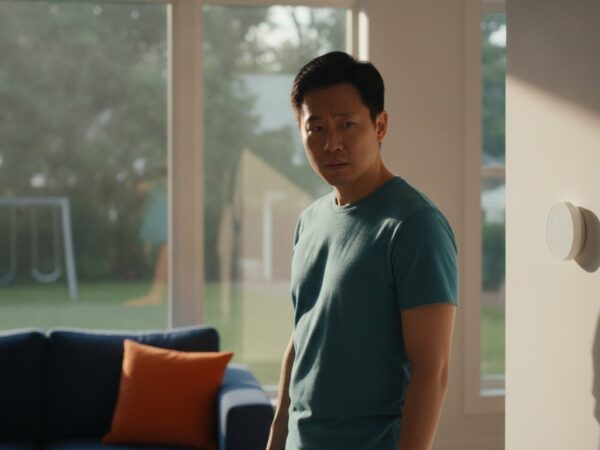
What if your air conditioner isn’t actually broken, but is simply being asked to do the impossible? When the humidity spikes and the Jersey heat settles in, it’s easy to panic when the thermostat stops dropping. You are likely dealing with an AC not cooling house in NJ summer because your system is fighting a battle it wasn’t designed to win alone. It’s frustrating to feel warm air blowing while your electric bill climbs toward that $280 average. You deserve a home that feels like a sanctuary, not a sauna.
We will help you distinguish between a temporary heat-wave struggle and a genuine mechanical failure that requires a professional touch. Discover the technical limits of your central air unit and how the 20-degree rule affects your comfort. We will also explore actionable steps to improve your system’s efficiency, lower your utility costs, and determine if it’s time for a high-efficiency upgrade. Let’s restore the cool, dry environment your family depends on for safety and peace of mind.
Key Takeaways
- Master the “20-degree rule” to understand your system’s design limits and stop stressing over the thermostat during extreme NJ heat waves.
- Pinpoint the airflow obstructions and mechanical issues causing an AC not cooling house in NJ summer before they lead to expensive system freeze-ups.
- Implement immediate relief strategies like pre-cooling and thermal shielding to lower your indoor temperature and reduce your monthly electricity costs.
- Distinguish between a maxed-out unit and a critical failure to ensure the safety of your family and determine when to call a licensed professional.
- Save thousands on high-efficiency upgrades by utilizing New Jersey’s zero-interest rebate programs designed for modern, high-performance cooling systems.
Understanding the 20-Degree Rule: Why NJ Heat Waves Overwhelm ACs
Many homeowners face the same frustration during a July heat wave: the thermostat is set to 70, but the living room won’t budge past 78. If you feel like your AC not cooling house in NJ summer is a sign of a broken system, you might actually be witnessing your unit working at its absolute peak capacity. In the HVAC industry, we measure this performance through the “Temperature Differential,” also known as Delta T. This technical value represents the difference between the outdoor ambient air and the air inside your home.
Standard residential air conditioners are engineered to provide a maximum cooling drop of approximately 20 degrees. When the afternoon sun hits Old Bridge and the mercury climbs to a blistering 98°F, an indoor temperature of 78°F is actually a sign of a healthy, perfectly functioning system. It is not a mechanical failure; it is simply a matter of physics. Your unit is fighting a battle against the external environment, and reaching that 20-degree spread means it is winning.
The Physics of the 20-Degree Limit
Understanding how air conditioning works helps explain why this limit exists. Your system does not “create” cold; it removes heat. As warm indoor air passes over the evaporator coil, the refrigerant absorbs thermal energy. However, air can only release a finite amount of energy during that brief contact. There is a saturation point where the air simply cannot give up more heat in a single pass. This is why “cranking the thermostat” down to 60°F is a common mistake for NJ residents. Doing so will not make the air coming out of the vents any colder. It only forces the compressor to run indefinitely, which often leads to a frozen coil or a total motor burnout.
NJ Humidity: The Silent Cooling Killer
In high-humidity areas like Jersey City and across Central NJ, your AC has a second, much harder job to perform. It must manage two distinct types of heat to keep you comfortable. “Sensible Heat” is the temperature you see on the thermometer, while “Latent Heat” represents the moisture in the air. Latent Heat is the energy used to condense water vapor into liquid on your AC coils. When the dew point in NJ hits 70 or higher, your system spends a massive portion of its energy wringing water out of the air rather than lowering the actual temperature. This is why your home might feel “heavy” or “clammy” even when the system is running constantly.
- Sensible Heat: The heat that changes the temperature of the air.
- Latent Heat: The energy required to remove moisture without changing the temperature.
- Saturation Point: The limit at which the air can no longer be cooled in one cycle.
When these factors combine, your system may struggle to maintain its usual performance. If the air coming from your vents is significantly cooler than the air entering the return, your system is likely performing exactly as designed for the current NJ climate.
Mechanical Culprits: Why Your AC Might Actually Be Failing
While the 20-degree rule explains many “struggling” units, genuine mechanical breakdowns are a reality for many homeowners. If you have an AC not cooling house in NJ summer, the problem often starts with restricted airflow. In East Brunswick homes, we frequently find that airflow is the primary reason for cooling failure. A simple air filter, when ignored for too long, becomes a dense wall of dust and NJ pollen. This restriction creates a dangerous domino effect. It prevents warm indoor air from reaching the evaporator coil, which is necessary to keep the refrigerant from getting too cold. Without that heat, the coil temperature drops below freezing, and the condensation turns into a thick layer of ice. Once this happens, your system cannot move air at all, which often leads to a total compressor failure.
Low refrigerant is another significant concern that mimics a simple airflow issue. Many people believe that air conditioners “consume” refrigerant like a car consumes gas, but this is a myth. Your air conditioner is a closed system. If the levels are low, you have a leak. Signs of a leak include a bubbling or hissing sound and a noticeable loss in cooling power. Simply “recharging” the system is a temporary band-aid that ignores the underlying hole in your copper lines. If your unit is older and doesn’t meet the new minimum energy efficiency standards, these leaks can become increasingly expensive to manage. Eventually, the constant loss of pressure will burn out your compressor entirely.
Airflow Restrictions and Frozen Coils
When airflow is blocked, the evaporator coil drops below 32°F. This turns moisture into ice, which eventually travels down the copper lines. Never run your AC if you see ice on the unit. Instead, perform the “Thaw Test.” Turn the system to “Off” at the thermostat but set the fan to “On.” This circulates room-temperature air over the coils to melt the ice safely. If the ice returns after you restart the unit, it is time for a professional Central Air Conditioning repair.
Condenser Coils and NJ Debris
Your outdoor condenser unit needs to breathe to release heat. In New Jersey, cottonwood seeds, grass clippings, and heavy pollen often clog the delicate fins of the unit. You can often restore cooling capacity by gently rinsing the coils with a garden hose. Avoid using high pressure, as this can bend the aluminum fins and permanently damage the unit. If you hear a humming sound but the fan isn’t spinning, you likely have a failed capacitor. This is a common quick fix that we handle daily during NJ heat waves.
Struggling vs. Failing: When Is It a Cooling Emergency?
When the outdoor temperature is soaring, it’s difficult to tell if your unit is just tired or truly broken. An AC not cooling house in NJ summer can be a source of intense anxiety, especially when your family’s safety is at stake. A “maxed out” system will still blow air that is noticeably colder than the room temperature, even if it can’t reach your goal of 70 degrees. A failing system, however, will often blow room-temperature air, make unusual noises, or stop circulating air entirely. Understanding this distinction helps you decide whether to wait for the sun to go down or to seek immediate professional help.
The stakes are higher for those with vulnerable family members. Infants, the elderly, and even pets can suffer from heat exhaustion much faster than healthy adults. In many older NJ homes with poor insulation, indoor temperatures can quickly climb to dangerous levels during a heat wave. If your system has failed completely during a peak weather event, we treat your situation as a priority. Our team at Anton Plumbing Heating & Cooling is a trusted emergency plumber Old Bridge NJ provider, and we extend that same 24/7 rapid response to critical cooling failures to keep your household secure.
The Vent Temperature Test
You can perform a quick diagnostic check using a standard kitchen thermometer. First, measure the temperature of the air being sucked into your “return” vent (the large vent where the filter is usually located). Next, measure the temperature of the air blowing out of the “supply” vent closest to the AC unit. A healthy system should show a difference of 16 to 20 degrees. If the split is less than 15 degrees, a mechanical issue is likely present. This lack of a “temperature split” often indicates low refrigerant or a failing compressor that needs expert attention.
When to Call for 24/7 Emergency Service
Certain symptoms require you to shut down your system immediately and call for help. Do not ignore electrical burning smells, as these often indicate melting wire insulation or a failing motor. Loud grinding, screeching, or banging noises are also red flags for mechanical parts that are about to seize. If you are experiencing these issues, you might also want to look into NJ Rebates and Federal Incentives for a more reliable, high-efficiency replacement. We prioritize these emergency calls because we understand that a functional AC is not a luxury in New Jersey; it is a vital piece of home infrastructure that ensures your domestic well-being.
- Electrical Smells: Shut off the breaker immediately to prevent a fire.
- Grinding Noises: This usually signals a failing blower motor or compressor.
- No Airflow: If the fan isn’t spinning, the system cannot cool your home.
5 Actionable Ways to Help Your AC Survive an NJ Heat Wave
Don’t wait until the sun is at its zenith to start cooling your home. When you’re facing an AC not cooling house in NJ summer, you need a proactive strategy to reduce the thermal load on your system. By taking a few simple steps, you can help your unit maintain a comfortable temperature without pushing it toward a total mechanical failure. These methods focus on managing heat before it enters your living space and reducing the internal energy your system has to fight.
- Pre-Cooling: Lower your thermostat by 2 or 3 degrees in the early morning before the NJ sun hits its peak. This builds a “thermal bank” of cool air that helps your system stay ahead of the afternoon heat.
- The Blackout Method: Close thermal curtains or blinds on south-facing windows, especially in Old Bridge homes. This blocks radiant heat from entering your rooms.
- Manage Internal Heat: Avoid using ovens, dishwashers, or clothes dryers between 2 PM and 7 PM. These appliances generate significant heat and moisture right when the outdoor temperature is at its worst.
- Fan Direction: Ensure your ceiling fans are spinning counter-clockwise. This creates a downward breeze that produces a wind-chill effect on your skin.
- System Optimization: Schedule a professional hvac repair east brunswick consultation to ensure your unit is calibrated for maximum efficiency before the next heat wave.
Strategic Thermostat Management
Set your fan to “Auto” instead of “On” during high-humidity NJ summers. While the “On” setting keeps air moving, it prevents your system from properly dehumidifying your home. When the fan runs constantly, it blows moisture off the wet evaporator coil and back into your rooms. You should also avoid the myth of “cranking it down” to a very low temperature. A steady, moderate setting is far more efficient and prevents the system from running indefinitely. Smart thermostats are excellent tools for this; they can automatically manage loads during NJ peak energy hours when electricity rates are at their highest.
Reducing Internal Heat and Moisture
Your kitchen is often your AC’s biggest enemy in July. Every time you boil water or use the range, you add heat and humidity that your system must work to remove. Keep showers short and always use the bathroom exhaust fan to vent steam outside. You can also perform a quick DIY check of your ductwork. Look for disconnected joints or leaks in unconditioned NJ attics or basements. Sealing a single loose duct can prevent your cold air from escaping into the wrong part of the house. Protect your family’s comfort by maintaining these small habits throughout the season. If you need a professional to verify your system’s health, contact Anton Plumbing Heating & Cooling for a thorough inspection.
Professional Solutions: High-Efficiency Upgrades and NJ Rebates
When routine maintenance and strategic thermostat habits no longer resolve an AC not cooling house in NJ summer, the issue is often an aging system that simply can’t handle modern climate demands. With New Jersey electricity rates averaging 24 cents per kilowatt-hour, running an inefficient, decade-old unit is a massive financial drain on your household. Upgrading to a modern central air conditioning installation ensures your home stays cool while significantly lowering your monthly overhead. For older Jersey City homes with difficult-to-cool “hot spots” or additions, a ductless mini-split system installation offers targeted relief without the need for extensive ductwork modifications.
Maximizing NJ State Energy Rebates
The 2026 landscape for HVAC incentives provides substantial financial relief for New Jersey families. Under the current NJ Clean Energy Program, utility providers like PSE&G offer instant rebates ranging from $300 to $600 for qualifying air-source heat pumps. If you are a JCP&L customer, you may be eligible for tiered rebates of $500, $750, or even $1,000 for cold-climate models. Additionally, a specialized decarbonization program currently offers up to $10,000 for homeowners replacing gas systems with high-efficiency heat pumps. Our team at Anton Plumbing Heating & Cooling acts as your protective expert through this complexity. We help you navigate the paperwork for zero-interest rebate programs, ensuring these high-performance systems remain affordable for your family.
Why Proper Sizing Matters for NJ Homes
A common mistake in the HVAC industry is the belief that “bigger is always better.” In reality, an oversized air conditioner is a primary cause of high humidity and poor indoor comfort. A unit that is too large for your square footage will “short cycle,” meaning it turns off before it has a chance to properly remove moisture from the air. This leaves your home feeling clammy and uncomfortable. We use a precise Manual J load calculation that accounts for your home’s insulation, window orientation, and specific NJ building materials. With over 28 years of experience in Central NJ, we ensure your new system is sized perfectly for our unique coastal humidity and inland heat waves. Contact Anton Plumbing Heating & Cooling today for an AC diagnostic or free replacement estimate.
Restore Your Home’s Comfort and Security
You now have a clear roadmap to navigate the hottest days of the year. By understanding the 20-degree rule and identifying the difference between a system that is maxed out and one that is failing, you can make informed decisions for your household. Remember that managing an AC not cooling house in NJ summer isn’t just about comfort; it’s about the safety and well-being of your family. Whether you are implementing pre-cooling strategies or exploring high-efficiency upgrades through NJ’s zero-interest rebate programs, there is always a path toward immediate relief.
Anton Plumbing Heating & Cooling stands as your protective expert with over 28 years of local experience. Our licensed and insured NJ HVACR professionals are ready to help you optimize your current system or install a modern, energy-efficient replacement. We prioritize your security with 24/7 emergency availability, ensuring you never have to face a utility failure alone. Schedule your emergency AC repair or get a free replacement quote from Anton Plumbing today! Your home should be a sanctuary of cool, dry air, and we are committed to keeping it that way all season long.
Frequently Asked Questions
Is it normal for my AC to run all day during a New Jersey heat wave?
Yes, it is perfectly normal for your unit to run continuously when outdoor temperatures exceed 90°F. Most residential systems are designed to maintain a 20-degree difference between the outside air and your indoor environment. If it’s 98°F in Central NJ, your system must work non-stop just to keep your living room at 78°F. This constant operation is often more efficient than turning the system off and trying to remove massive heat loads later in the evening.
Why is my AC blowing air but not cooling the house below 75 degrees?
Your system has likely reached its maximum cooling capacity, also known as its “Delta T” limit. If the air coming out of your vents is about 20 degrees colder than the air going into your return vent, the unit is performing as intended. You might be losing the cooling battle due to high internal heat loads from appliances or poor attic insulation. In these cases, the system isn’t broken; it’s simply being overwhelmed by the environment.
How can I tell if my AC is low on refrigerant or just struggling with the heat?
Use a thermometer to check the temperature split at your vents. An AC not cooling house in NJ summer due to a mechanical issue will show a temperature difference of less than 15 degrees. If the air is only slightly cooler than the room temperature, you likely have a refrigerant leak or a failing compressor. If the split is 16 to 20 degrees but the house is still warm, your system is healthy but struggling with the outdoor peak.
Will spraying my outdoor AC unit with water help it cool better?
Gently rinsing your condenser coils with a garden hose can improve efficiency by removing NJ pollen and dust. Clean coils allow the unit to release heat more effectively into the outdoor air. However, you must never use a high-pressure power washer. High pressure will bend the delicate aluminum fins, which permanently restricts airflow and can lead to an expensive system failure. Always turn the unit off before rinsing it.
What are the most common AC problems in Old Bridge and Jersey City?
We most frequently encounter failed capacitors and clogged condenser coils caused by local cottonwood seeds and heavy pollen. In older Jersey City homes, undersized or leaky ductwork often prevents even cooling throughout the house. The high humidity levels in our region also lead to clogged condensate drain lines, which can trigger safety switches that shut down your entire system to prevent water damage.
How much does a typical AC repair cost in NJ during the summer?
Repair costs in New Jersey depend entirely on the specific component that has failed and the complexity of the labor required. Minor electrical repairs like replacing a capacitor are common and relatively quick to resolve. Major mechanical failures, such as a burnt-out compressor or a leaking evaporator coil, represent a much larger investment. We provide clear, transparent diagnostic reports so you understand exactly what is needed to restore your home’s safety.
Are there any NJ state rebates available for replacing an old AC unit in 2026?
Yes, there are significant utility-sponsored rebates available in 2026 for SEER2-compliant high-efficiency systems. PSE&G customers can access instant rebates between $300 and $600 for qualifying heat pumps. JCP&L offers tiered rebates ranging from $500 to $1,000 depending on the system’s efficiency. Some state-level decarbonization programs even provide up to $10,000 for homeowners who transition from gas furnaces to cold-climate heat pumps.
Can a dirty air filter really stop my AC from cooling my whole house?
A clogged air filter is the leading cause of a total system freeze-up. When airflow is restricted, the evaporator coil doesn’t receive enough heat to keep the refrigerant from dropping below freezing. This causes condensation to turn into a solid block of ice, which eventually stops your AC not cooling house in NJ summer from moving any air at all. Changing your filter every 30 to 90 days is the simplest way to protect your compressor.


