
What Is AC Short Cycling and Why Is It Bad for Your System?
TL;DR: AC short cycling occurs when an air conditioner repeatedly turns on and off before completing a normal cooling cycle. This problem can increase energy bills, reduce comfort, and cause premature wear on HVAC components. Understanding the causes and warning signs can help homeowners prevent expensive repairs.
- Common causes: Dirty air filters, oversized AC units, thermostat malfunctions, low refrigerant, electrical problems, and dirty condenser coils can trigger short cycling.
- Potential damage: Frequent cycling puts additional stress on compressors and other components, potentially shortening the system’s lifespan.
- Warning signs: Watch for frequent starts and stops, uneven temperatures, poor humidity control, and rising energy bills.
- Troubleshooting: Check thermostat settings, replace dirty filters, and clear debris around the outdoor unit.
- Prevention: Schedule routine HVAC maintenance, maintain proper airflow, and ensure your air conditioner is correctly sized for your home.
Your air conditioner is supposed to turn on, cool your home, and shut off once it reaches the temperature set on your thermostat. But what happens when it keeps turning on and off every few minutes? That’s a problem known as AC short cycling, and it can lead to higher energy bills, unnecessary wear, and expensive repairs.
Short cycling is more than an annoyance. It can signal underlying problems with your air conditioning equipment, ranging from dirty filters to electrical malfunctions. Understanding the warning signs and common causes can help you take action before a minor issue turns into a major breakdown.
Here’s what you need to know about short cycling, why it happens, and how to protect your cooling system.
What Is AC Short Cycling?
AC short cycling occurs when your air conditioner repeatedly starts and stops before completing a normal cooling cycle. Instead of running long enough to reach your desired indoor temperature, the system shuts down prematurely and starts again shortly afterward.
During normal operation, an air conditioning system draws warm air from your home, removes heat and humidity, and circulates cooled air throughout your living spaces. Once the thermostat reaches its target temperature, the system shuts off until additional cooling is needed.
The length of a normal cooling cycle depends on outdoor temperatures, system capacity, and your home’s cooling requirements. Many systems run for approximately 15–20 minutes per cycle under typical conditions, although shorter or longer cycles can be normal.
If your air conditioner repeatedly runs for only a few minutes before shutting down, you may have a short cycling problem.
Why Is Short Cycling Bad for Your AC?
Frequent starting and stopping puts additional strain on your equipment. Every time the compressor starts, it experiences electrical and mechanical stress. Repeated cycling can accelerate wear on components and potentially shorten the system’s lifespan.
Other problems associated with short cycling AC equipment include:
- Higher energy bills: Frequent startup cycles can reduce operating efficiency, increasing electricity consumption.
- Uneven cooling: Short cycles may prevent conditioned air from circulating evenly throughout your home.
- Poor humidity control: The system may shut down before removing enough moisture from indoor air.
- Increased repair costs: Repeated starts can contribute to premature wear on compressors, capacitors, and other components.
- Reduced comfort: Your home may experience noticeable temperature fluctuations throughout the day.
In some situations, underlying electrical or mechanical problems can also cause the system to overheat, potentially triggering protective shutdowns.
What Are the Most Common AC Short Cycling Causes?
There are several possible AC short cycling causes, and identifying the correct one is essential to finding a lasting solution. Some problems are relatively simple, while others require professional HVAC repairs.
1. Dirty or Clogged Air Filters
A clogged air filter restricts airflow through your HVAC system. When insufficient air passes over the evaporator coil, the coil can become excessively cold and potentially freeze.
Ice buildup reduces cooling performance and can contribute to abnormal operating cycles.
Replacing dirty filters regularly is one of the simplest ways to support proper airflow and prevent cooling problems.
2. An Oversized Air Conditioner
Bigger isn’t always better when it comes to air conditioning.
An oversized air conditioner may cool the air near the thermostat too quickly, causing the system to shut down before temperatures and humidity levels become comfortable throughout your home.
This problem is especially common when equipment is installed without properly calculating a home’s cooling requirements.
An HVAC professional can evaluate the equipment’s capacity and determine if incorrect sizing is contributing to short cycling.
3. Thermostat Problems
Your thermostat controls when your air conditioner turns on and off. If it’s malfunctioning or installed in a poor location, it may send incorrect signals to your cooling equipment.
For example, a thermostat positioned near a sunny window, kitchen, or supply vent may experience temperatures that don’t accurately represent the rest of your home.
Loose wiring, failing sensors, and incorrect settings can also contribute to irregular operation.
4. Low Refrigerant Levels
Refrigerant allows your air conditioner to absorb heat indoors and release it outside.
If your system develops a refrigerant leak, the resulting pressure changes and reduced cooling performance may trigger protective controls that shut down the equipment.
Low refrigerant can also contribute to evaporator coil freezing.
Because refrigerant circulates through a closed system, it shouldn’t need routine refilling. A qualified technician should locate and address leaks before restoring the correct refrigerant charge.
5. Electrical or Compressor Problems
AC compressor short cycling may result from failing capacitors, electrical connection problems, overheating, or internal compressor issues.
The compressor is responsible for circulating refrigerant through your air conditioning system. When it repeatedly starts and stops, the resulting stress can contribute to expensive mechanical failures.
Professional diagnosis is important because electrical problems can damage equipment and create safety hazards.
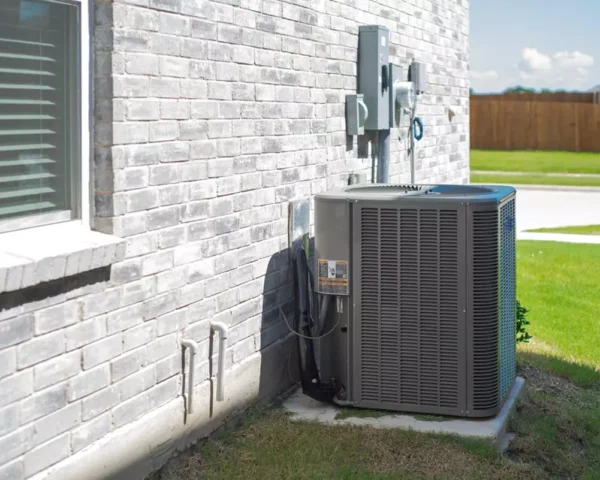
6. Dirty Condenser Coils
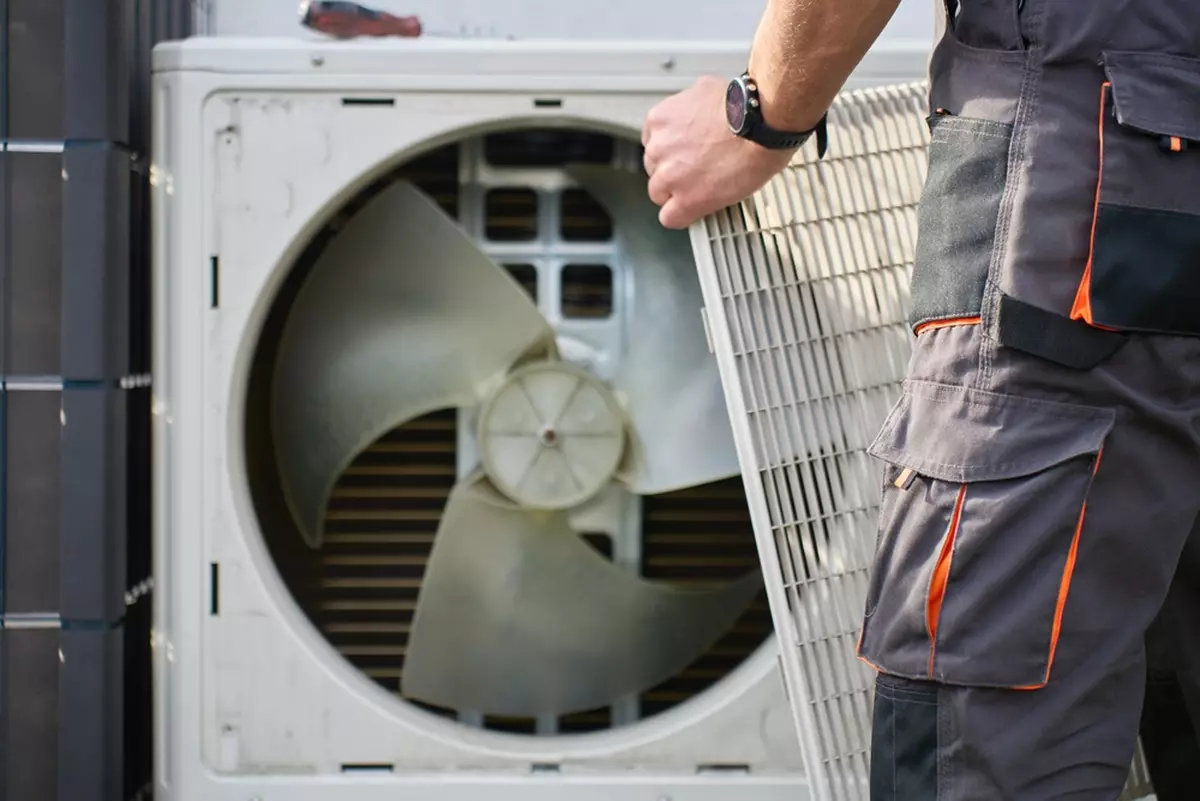
Your outdoor condenser releases heat collected from inside your home.
When dirt, leaves, and debris accumulate around the condenser, the equipment may struggle to release heat effectively. Excessive operating pressure or temperature can activate protective controls and interrupt normal cooling cycles.
Keeping the outdoor unit clear of obstructions helps maintain proper airflow.
7. Portable AC Short Cycling
Portable AC short cycling can happen for many of the same reasons as short cycling in central air conditioners.
However, portable units may also experience problems caused by restricted exhaust hoses, blocked air intakes, full condensate reservoirs, or thermostat placement.
Check the manufacturer’s instructions for proper ventilation, drainage, and clearance requirements. Some portable units also have normal compressor protection delays that shouldn’t be mistaken for a malfunction.
How Do You Fix an AC That Is Short Cycling?
The right AC short cycling fix depends on what’s causing the problem. Some basic troubleshooting steps are safe for homeowners, while others require a licensed HVAC technician.
Start by checking your thermostat settings. Make sure the thermostat is set to cooling mode and that the desired temperature is below the current indoor temperature.
Next, inspect the air filter and replace it if it’s dirty. You can also remove leaves and other debris from around the outdoor condenser to improve airflow.
If you notice ice on the refrigerant lines or indoor coil, turn off cooling and contact an HVAC professional. Continuing to operate a malfunctioning system can make the problem worse.
Avoid repeatedly restarting equipment that trips breakers or shuts down unexpectedly.
For persistent short cycling, professional technicians can evaluate refrigerant pressures, electrical components, thermostat operation, airflow, and compressor performance.
How Can You Prevent AC Short Cycling?
Preventing short cycling starts with routine maintenance and proper equipment installation.
Schedule professional air conditioning maintenance before the summer cooling season. During a tune-up, an HVAC technician can inspect electrical connections, clean components, evaluate airflow, and identify developing performance problems.
Keep your air filters clean and maintain adequate clearance around the outdoor unit.
If you’re installing a new air conditioner, make sure the contractor performs appropriate load calculations to determine the correct equipment size. Proper sizing helps support efficient operation and consistent comfort.
Finally, pay attention to changes in how your equipment operates. Unusual noises, frequent starts, inconsistent temperatures, and increasing energy bills can all indicate that your system needs attention.
Keep Your AC Running Efficiently With Anton Plumbing Heating & Cooling
Your air conditioner should provide dependable comfort without constantly starting and stopping. If short cycling is interfering with cooling your home, addressing the problem early can help protect your equipment and avoid unnecessary repair expenses.
Anton Plumbing Heating & Cooling provides professional air conditioning repair and maintenance throughout Northern and Central New Jersey, including Old Bridge, East Brunswick, and Jersey City.
With more than 28 years of experience, our licensed HVACR technicians can diagnose short cycling problems, identify their underlying causes, and recommend repairs that restore reliable operation.
Don’t let a struggling air conditioner leave you uncomfortable during New Jersey’s hottest months.
Contact Anton Plumbing Heating & Cooling or call (732) 771-4771 to schedule professional AC repair today!