
Can You Install a Garbage Disposal In Any Sink?
A garbage disposal can make kitchen cleanup faster and much more hygienic, especially after everyday cooking. Still, many homeowners find themselves unsure whether their existing sink can actually support one. The idea of installing a garbage disposal in any sink may sound straightforward, but in reality, it depends on several technical details like sink design, plumbing layout, and available space. In this guide, you’ll clearly understand what determines compatibility, what limitations you should watch for, and how to confidently choose the right setup for your kitchen.
Can You Install a Garbage Disposal in Any Sink?
The idea of installing a garbage disposal in any sink depends on structural fit, plumbing layout, and available space rather than just the sink itself. It also involves how well the sink drain connects with standard disposal mounting systems and whether the surrounding plumbing can handle continuous food waste flow. So, installing a garbage disposal in any sink is not just about attaching a unit, but about ensuring the entire system works together safely and efficiently. These factors directly affect installation safety and performance, which is why understanding restrictions before starting is essential.
Situations Where Installation May Be Limited
Sinks Without a Standard Drain Opening
Most garbage disposals require a 3.5-inch drain opening. Some older or specialty sinks use smaller or non-standard drains. This mismatch prevents proper mounting and can lead to leaks or unstable fittings. In such cases, replacing the sink or modifying the opening becomes necessary.
Shallow or Space-Restricted Cabinets
Garbage disposals need enough vertical and horizontal clearance under the sink. Compact cabinets often limit this space. When space is tight, the unit may press against pipes or walls, which can strain connections and reduce efficiency over time.
Older Plumbing Configurations
Older homes may have outdated pipe layouts or materials that do not align with modern disposal systems. These setups can restrict proper drainage or fail to handle the increased waste flow, which may lead to clogs or backflow issues.
Do All Garbage Disposals Fit All Sinks?
Not all disposals fit every sink because compatibility depends on both sink design and plumbing conditions. While many modern sinks support standard units, variations in drain size, mounting systems, and pipe alignment can affect installation. Understanding these differences assits you avoid costly mistakes and ensures your system runs efficiently.
Sink Types That Are Typically Compatible
Stainless Steel Kitchen Sinks
These sinks are widely used and usually come with standard drain openings. They also offer flexibility during installation, which makes them one of the easiest options for adding a disposal unit.
Standard Drop-In and Undermount Sinks
Both designs typically support garbage disposals with standard mounting assemblies. Their structure allows proper sealing and alignment, which helps prevent leaks and improves durability.
Other Factors that Affect Compatibility
Drain Size
The drain opening must align perfectly with the garbage disposal’s mounting flange to create a secure seal. If the opening is smaller or non-standard, adapters may be used, but they are not always dependable for long-term use. Over time, even slight mismatches can lead to leaks or loosened fittings that affect performance.
Mount Type
Different disposals are designed with specific mounting systems, such as 3-bolt or EZ-mount mechanisms. These systems determine how the unit locks into the sink. If the sink’s existing mount type does not match, additional adjustments or replacement parts may be needed to achieve a proper fit.
Existing Plumbing Connections
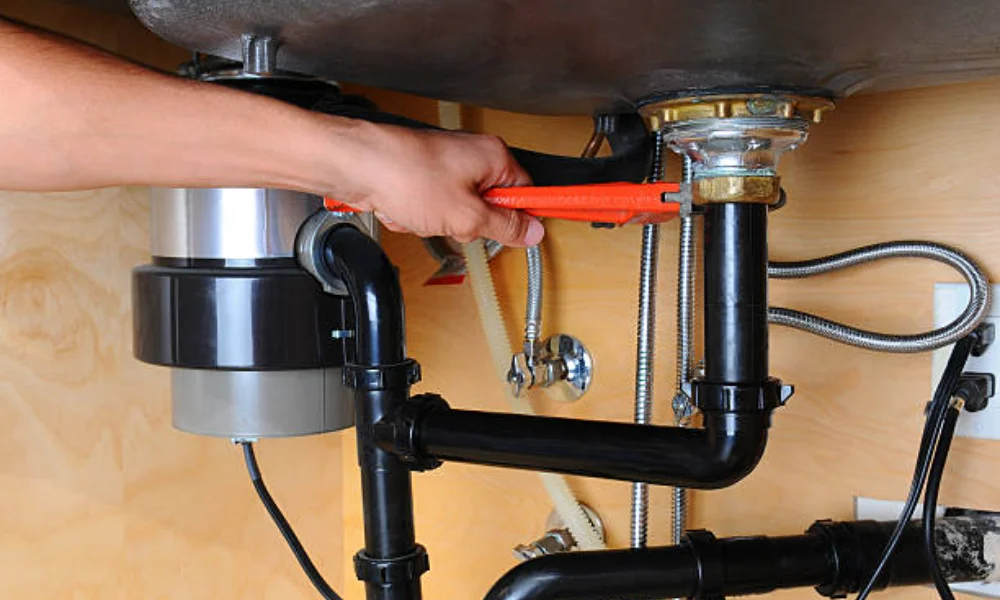
The disposal’s discharge outlet must connect smoothly with your existing drain pipes for proper water flow. If the alignment is off, wastewater may not drain efficiently, which can increase pressure inside the system. This often leads to slow drainage, recurring clogs, or potential leakage at connection points.
Available Space Under the Sink
Garbage disposals come in a variety of sizes depending on motor strength and build. Larger models require more vertical and horizontal clearance. When cabinet space is limited or already crowded with pipes or filters, fitting the unit securely becomes more difficult and may restrict maintenance access later.
Plumbing and Electrical Requirements
A garbage disposal needs both a correctly configured drain system and a safe electrical connection to operate properly. The outlet must be grounded and positioned safely away from water exposure. Without proper setup, the unit may not function reliably and could pose electrical or plumbing risks over time.
This shows why proper installation matters for both functionality and environmental impact.
How Do I Know Which Garbage Disposal Will Fit My Sink?
Choosing the right garbage disposal is not just about picking a popular model. It requires a careful look at your sink dimensions, plumbing layout, power access, and daily kitchen usage. When these elements are evaluated properly, you avoid fitting issues, drainage problems, and unnecessary replacements later. Below is a clear breakdown of what you should check before making a decision.
Sink Opening and Cabinet Space Check
Start by measuring the sink drain opening and the available cabinet space underneath. The disposal must sit securely without touching surrounding walls, pipes, or cabinet bases. If the space is too tight, installation may become unstable or difficult to maintain over time. Proper clearance also ensures easier servicing when needed.
Plumbing Alignment and Drain Connection
Next, check how your existing drain line is positioned. The disposal outlet must connect smoothly with the drain pipe for proper wastewater flow. Even a small misalignment can create slow drainage or recurring blockages. This step is important because poor alignment often leads to long-term plumbing stress.
Motor Strength and Usage Requirements
Motor size plays a major role in performance and durability. Compact units are usually sufficient for light daily use, while higher-powered models handle tougher food waste more efficiently. However, stronger motors also require more installation space and stable mounting support, so balance performance with practicality.
Electrical Setup and Safety Access
A garbage disposal needs a grounded electrical outlet placed safely under the sink. If the outlet is missing or not properly positioned, installation should not proceed until it is corrected. In many cases, a licensed electrician is required to ensure the wiring meets safety standards and supports continuous operation.
Kitchen Usage and Grease Management
Your cooking habits also affect how well a disposal performs over time. Kitchens that handle frequent grease or oil buildup need extra attention to prevent pipe blockages. Proper waste handling practices help maintain smooth drainage. For deeper insight into system care, you can explore grease trap maintenance for commercial plumbing, which explains how waste buildup impacts plumbing health.
Professional Assessment Before Installation
Even when everything looks compatible, small hidden issues can still affect performance. That is why a professional evaluation is often the safest step. When considering installing a garbage disposal in any sink, expert inspection ensures all technical factors are correctly aligned, helping you avoid installation errors and long-term plumbing issues.
FAQs
What Garbage Disposal Do Plumbers Recommend?
Plumbers usually recommend units based on durability, motor strength, and noise level. Continuous-feed models are common because they handle waste efficiently. Units with stainless steel grinding components also last longer and resist corrosion.
What Do I Need To Know Before Buying A Garbage Disposal?
You should understand your sink’s compatibility, available space, and electrical setup. Noise level, motor power, and warranty also matter. Asking whether all garbage disposals fit all sinks is important before making a purchase, as compatibility varies significantly.
How Can I Install a Garbage Disposal On a Single Sink?
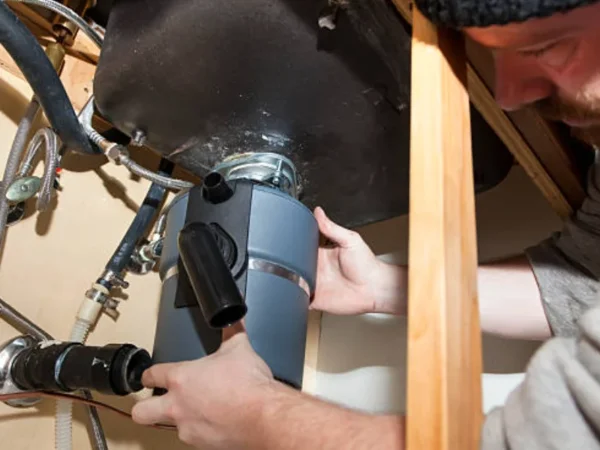
Installing a unit on a single sink is common and straightforward when the setup is compatible. The process involves attaching the mounting assembly, connecting the drain, and ensuring proper electrical supply. Understanding how to install a garbage disposal on a single sink also includes checking alignment and sealing connections properly to avoid leaks.
Contact Anton Plumbing Heating & Cooling for Professional Garbage Disposal Installation in Northern and Central New Jersey
Installing a garbage disposal is not always a simple swap. As you’ve seen, factors like drain size, cabinet space, plumbing layout, and electrical access all play a role. While many sinks support disposals, not every setup allows a safe or efficient installation.
In case you are considering installing a garbage disposal in any sink, a professional evaluation ensures everything works correctly from day one. The experts at Anton Plumbing Heating & Cooling understand local plumbing systems and can recommend the right solution for your kitchen.
Reach out to us today to schedule an inspection or installation and enjoy a cleaner, more efficient kitchen without the guesswork.