
Can Frozen Pipes Cause a Drain Clog?
Winter temperatures can disrupt more than your water supply. They can interfere with how wastewater leaves your home. When your drains slow down or suddenly back up during cold weather, you may start asking if frozen pipes cause a drain clog, or if something else is wrong. In this article, you’ll learn how freezing impacts drain lines, how to tell ice apart from debris-related clogs, and what practical steps help protect your plumbing during winter.
Can Frozen Pipes Cause a Drain Clog?
Frozen drain pipes can block wastewater flow in ways that closely resemble a traditional clog. When ice forms inside the pipe, it restricts movement, increases internal pressure, and creates repeated backups. This is whythinking about whether frozen pipes cause a drain clog is a valid concern during extended cold spells. The blockage often shifts as temperatures rise and fall, making diagnosis difficult.
Ice Blocks Wastewater Flow
Ice forms along the inner wall of drain pipes when standing wastewater is exposed to freezing temperatures. This buildup reduces the pipe’s internal diameter and disrupts gravity-based drainage. Even a thin ice layer can stop flow because drain lines are not pressurized, unlike supply pipes. This results in water remaining trapped upstream, causing fixtures to stop draining despite no physical debris being present.
Pressure Buildup Mimics a Severe Clog
When wastewater cannot pass through a frozen section, it begins to collect behind the ice. This increases internal pressure every time a fixture is used. Eventually, the system reaches capacity and forces water back toward the lowest opening. This is why frozen drains often cause sudden sink, tub, or floor drain backups that closely resemble deep or collapsed clogs.
Partial Freezes Create Recurring Backups
Drain pipes often freeze unevenly, especially where sections pass through exterior walls, crawl spaces, or unheated basements. Unfrozen sections may still allow limited flow, which gives the impression that the problem has resolved. However, temperatures drop overnight and refreeze these vulnerable areas. This cycle leads to recurring backups that worsen in cold hours and temporarily improve during daytime warming.
How to Tell if a Drain Is Frozen or Clogged
Frozen drains behave differently from typical blockages because their performance changes with temperature and environmental exposure. Unlike grease or debris clogs that worsen steadily, ice-related restrictions appear suddenly and fluctuate throughout the day. Cold air contact, pipe material, and location within the home all influence how drainage is affected. Pay attention to when the problem occurs, how quickly it escalates, and whether conditions improve with warming, as these patterns help identify freezing rather than a conventional obstruction.
Drains Stop Working During Freezing Temperatures
When drain problems begin during freezing weather, ice formation inside the pipe becomes a primary suspect. Drain lines rely on gravity, so even minor temperature drops can halt flow if wastewater freezes. Homeowners often report normal drainage returning during midday warming, which strongly indicates freezing. Traditional clogs worsen steadily and remain unaffected by outdoor temperature changes.
Gurgling, Sewage Smells, or Sudden Backups
Ice traps air and wastewater inside the drain line. As pressure fluctuates, air escapes unevenly, creating gurgling sounds. Sewage odors develop when stagnant wastewater sits behind frozen sections. Sudden backups often occur after high-volume discharge from washing machines or dishwashers, which overwhelm partially frozen pipes.
Pipes Feel Extremely Cold or Frosted
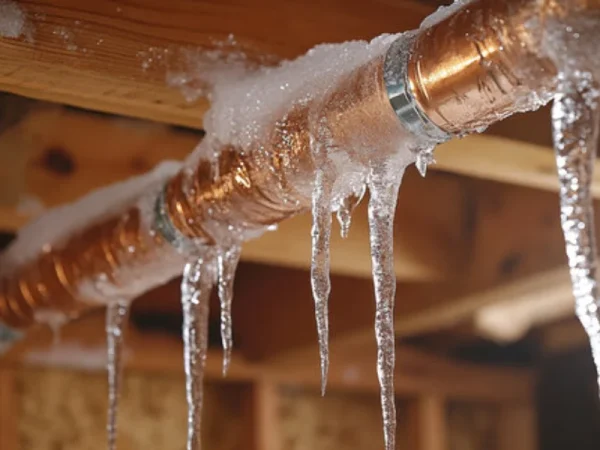
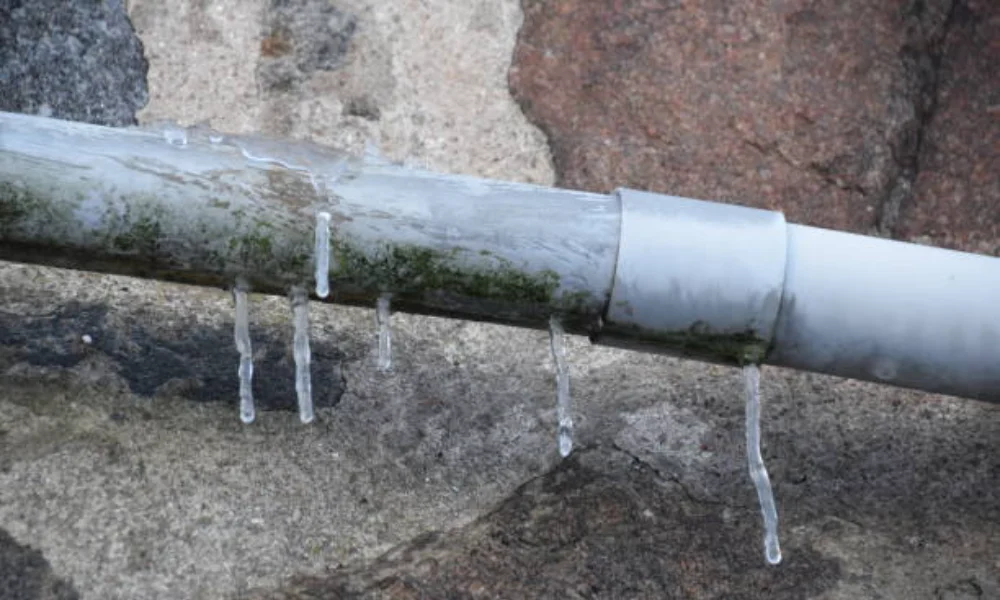
Frozen drain pipes often transfer cold directly to the surface. Exposed sections may feel unusually cold or show frost along joints and bends. Condensation can form where warm indoor air meets frozen pipe walls. These conditions rarely occur with grease or debris clogs and strongly suggest temperature-related restriction rather than internal buildup.
How to Unclog Frozen Drain Pipes
Thawing frozen drain pipes requires a controlled approach because drain systems are not designed to handle rapid temperature changes. Unlike supply lines, drain pipes often contain standing wastewater, which expands unevenly as it freezes. Improper thawing can weaken joints, separate fittings, or expose existing defects in older piping. Understanding how to unclog frozen drain pipes safely helps restore proper drainage while reducing the risk of hidden damage that may surface after the ice melts.
Apply Controlled Heat to Exposed Pipe Sections
Licensed plumbers use gradual heat because drain pipes often contain standing wastewater that freezes unevenly. Slow warming reduces thermal stress on joints, seals, and older pipe materials. Sudden heat changes can worsen existing weaknesses that are not yet visible.
Use Heat Tape or Pipe Heating Cables
Heat tape provides steady, regulated warmth designed specifically for plumbing applications. It is commonly used by professionals on long drain runs or pipes near exterior walls. This controlled heat prevents hot spots that can deform plastic pipes or loosen fittings.
Gradually Warm Basements or Crawl Spaces
Cold surrounding air often contributes to drain freezing more than outdoor temperatures alone. Raising ambient temperatures helps thaw pipes evenly along their entire length. This method reduces localized stress caused by direct heat on a single section.
Flush the Drain as Ice Begins to Melt
As ice softens, limited water movement helps restore gravity flow without forcing pressure. Lukewarm water supports gradual melting inside the pipe. Extreme temperature differences can crack pipe walls or joints during thawing.
Clear Debris Released During Thawing
Frozen drains often trap grease, soap residue, or organic waste behind the ice. When thawing begins, this material can shift and settle downstream. Professional clearing tools remove soft blockages without damaging pipe interiors or connections.
Call an Emergency Plumber for Safe Thawing and Clearing
When pipes remain frozen after considering all the above steps, it is obvious to think about how to defrost a frozen drain pipe. In such a case, professional help is essential. Licensed plumbers use thermal imaging and controlled thawing tools. For complex freezing issues, services like those offered by Anton Plumbing are critical, especially when freezing affects related systems such as gas infrastructure, as explained in the guide on why natural gas lines freeze during winter conditions.
According to recent insurance industry data, more than 20,000 claims related to frozen pipes and water damage were filed nationwide from 2024 through June 2025, with **total paid losses exceeding **$628 million and average payouts above $30,000 per claim. This shows how important it is to protect your home from frozen pipe damage.
Risks of Ignoring Frozen Drain Pipes
Frozen drain pipes place continuous internal stress on plumbing systems because expanding ice restricts flow and increases pressure at weak points. This stress often develops out of sight, especially in walls or crawl spaces. When early warning signs are ignored, minor freezing can escalate into pipe failure, sewage exposure, and urgent repairs that are far more disruptive and costly than timely intervention.
Cracked or Collapsed Drain Lines
As water freezes, it expands by nearly 9%, creating significant pressure inside drain pipes. This stress can exceed the pipe’s structural limits, especially in older clay, cast iron, or PVC systems. Cracks or full collapses may occur at joints or bends, which often go unnoticed until water flow is restored.
Sewage Backups Inside the Home
When frozen drains block wastewater, pressure forces sewage back into sinks, tubs, or floor drains. This creates a health hazard due to bacteria and pathogens in raw sewage. Professional sanitation is required to prevent contamination and long-term odor issues.
Water Damage After Pipes Thaw
Once ice melts, previously stressed or cracked pipes may leak slowly or suddenly. Water can soak walls, floors, and insulation before detection, causing structural damage and mold growth. Early identification of freezing risks helps prevent costly remediation later.
Emergency Repairs During Off-Hours
Frozen drain failures often occur overnight, on weekends, or on holidays when monitoring is limited. Emergency plumber calls during these times are significantly more expensive. Planning preventive measures and early intervention reduces both risk and repair costs.
How to Prevent Frozen Drain Pipes in New Jersey
Preventing frozen drain pipes requires a combination of thermal protection, environmental control, and sound plumbing design. Cold air infiltration, uninsulated runs, and poorly ventilated spaces make pipes vulnerable to freezing even indoors. Proactive measures, such as maintaining consistent indoor temperatures and ensuring proper pipe slope, help drains continue flowing safely throughout winter. In regions like New Jersey, where temperatures frequently drop below freezing, these strategies not only reduce the risk of blockages but also protect plumbing infrastructure from costly damage and emergency repairs.
Insulating Exposed Drain Lines
Pipe insulation reduces heat loss and maintains internal water temperatures above freezing. This is particularly important for drain lines along exterior walls, unheated attics, or crawl spaces. Professional-grade foam or fiberglass insulation helps prevent ice formation and protects both metal and PVC pipes from thermal stress.
Sealing Drafts Near Basement and Crawl Space Pipes
Cold air infiltration accelerates pipe freezing by lowering surface and water temperatures. Sealing gaps, cracks, and vents stabilizes conditions around vulnerable pipes. This simple preventive measure often stops freezing before it starts, reducing the risk of structural damage and emergency plumbing calls.
Keeping Utility Areas Heated During Cold Snaps
Maintaining consistent warmth in basements, laundry rooms, or crawl spaces prevents overnight pipe freezes. Using safe, controlled heat avoids hot spots that could damage pipe materials. Professional plumbing guidance ensures that heating supports freeze prevention without creating fire hazards or energy inefficiency.
Ensuring Proper Drain Slope and Venting
A correct drain slope allows wastewater to move efficiently, preventing standing water that can freeze. Equally, proper venting reduces pressure and improves flow consistency. These design standards, followed in professional plumbing installations, significantly lower the risk of winter drain blockages and long-term pipe stress.
FAQs
Can Frozen Pipes Clear on Their Own?
Partial freezes may sometimes thaw naturally during warmer daytime temperatures, restoring limited flow. However, repeated freezing and thawing create stress on joints, fittings, and pipe walls, increasing the risk of cracks or leaks. Professional inspection ensures the system remains safe and identifies any hidden damage before serious issues occur.
Is It Safe to Pour Hot Water Down a Frozen Drain?
Pouring hot water directly into a frozen drain can cause thermal shock, cracking metal or PVC pipes. Professional thawing uses controlled, gradual warming to melt ice safely while maintaining pipe integrity. This approach prevents sudden expansion or joint separation that could worsen damage.
What Do Emergency Plumbers Use to Unfreeze Drain Pipes?
Licensed plumbers rely on specialized tools, including controlled heat systems, thermal imaging, and pressure-safe clearing devices. Using these professional methods ensures ice is removed evenly, debris is cleared, and pipes remain structurally sound, reducing the risk of future blockages or water damage.
Call Anton Plumbing for Emergency Drain Pipe Repair in Northern and Central New Jersey
Frozen drain pipes can escalate quickly from slow drainage to serious damage. When drains stop working during cold weather, timely action is critical. Anton Plumbing offers experienced, professional solutions for winter plumbing emergencies, including safe thawing, blockage removal, and pipe protection. Our team can restore reliable drainage as well as prevent costly repairs, keeping your home safe and functional throughout the cold season.