
What Does “Auxiliary Heat” Mean on a Thermostat?
If you have ever noticed “Auxiliary Heat” appear on your thermostat, it can feel confusing or even concerning. This setting often shows up during colder weather and may affect comfort and energy use. Understanding what auxiliary heat on the thermostat does helps you make better decisions about heating performance, efficiency, and system health. In this guide, you will learn what auxiliary heat means, when it turns on, whether it is safe to use, and how to reduce unnecessary operation.
What Does “Auxiliary Heat” Mean on a Thermostat?
Auxiliary heat is a backup heating source that supports your heat pump when outdoor conditions limit its efficiency. It works alongside the main system to maintain indoor comfort, especially during cold spells or when the system is under strain. Knowing what auxiliary heat means on your thermostat involves understanding when it turns on, why it supports defrost cycles, and how it helps your home recover temperature. All of these factors are closely tied to how heat moves in and out of your living space.
When Does Auxiliary Heat Turn On?
Temperature Drops Below Heat Pump Capacity
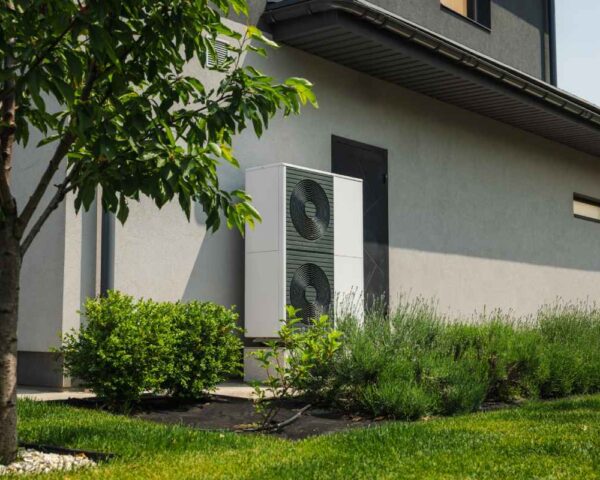
Heat pumps transfer heat from outside air, which becomes harder as temperatures fall. When outdoor air lacks usable heat, the system signals auxiliary heat. This added heat source helps maintain your set temperature without overworking the heat pump.
During Defrost Cycles
In winter, frost can build up on the outdoor coil. The heat pump briefly switches modes to melt ice. During this time, auxiliary heating prevents cold air from entering, keeping indoor temperatures stable.
When the Thermostat Detects Rapid Temperature Loss
If the indoor temperature drops faster than expected, the thermostat may engage auxiliary heat. This often happens during sudden cold snaps, strong winds, or poor insulation conditions.
Is It Okay to Run Auxiliary Heat?
Using auxiliary heat is normal and safe when conditions require extra support. However, extended operation can increase energy use, which matters for comfort and cost control. According to the U.S. Department of Energy, heat pumps can lose efficiency as outdoor temperatures drop below freezing, which increases reliance on supplemental heating sources.
Many homeowners ask why their thermostat says auxiliary heat on, especially during long winter stretches, and the answer often involves insulation quality, thermostat programming, and outdoor temperature extremes.
How Long Should Auxiliary Heat Run?
Under normal operating conditions, auxiliary heat runs in short intervals, often only long enough to help the heat pump stabilize indoor temperature. In a properly sized and maintained system, it should shut off once the heat pump can meet demand on its own. When auxiliary heat runs for extended periods, it often indicates reduced heat pump output, excessive heat loss in the home, or a control issue that requires professional evaluation.
Factors That Extend Run Time
Poor Insulation
When insulation in walls, ceilings, or attics is inadequate, heat escapes faster than the system can replace it. As indoor temperatures drop, the thermostat continues calling for additional heat, keeping auxiliary heat active longer. Over time, this cycle increases energy use and prevents the heat pump from operating efficiently.
Low Outdoor Temperatures
Heat pumps rely on outdoor air to extract heat, and their output decreases as temperatures fall. In icy conditions, the system may struggle to reach the set temperature using the heat pump alone. Auxiliary heat then remains active longer to maintain comfort until outdoor temperatures improve or heating demand eases.
Thermostat Settings
Aggressive temperature changes, substantial increases after a setback, often trigger auxiliary heat. The thermostat interprets the rapid temperature demand as an emergency and engages backup heat to speed recovery. Gradual temperature adjustments allow the heat pump to respond naturally, reducing the need for auxiliary heating.
How to Avoid Excessive Auxiliary Heat Use
Reducing auxiliary heat use helps your heating system maintain comfort without unnecessary energy strain, which can lead to higher utility costs over time. When a system is well-balanced, the heat pump handles most heating needs on its own, allowing auxiliary heat to step in only during brief periods of high demand. Understanding what auxiliary means on a thermostat also means knowing how system balance and maintenance affect activation frequency.
Maintain Proper Thermostat Settings
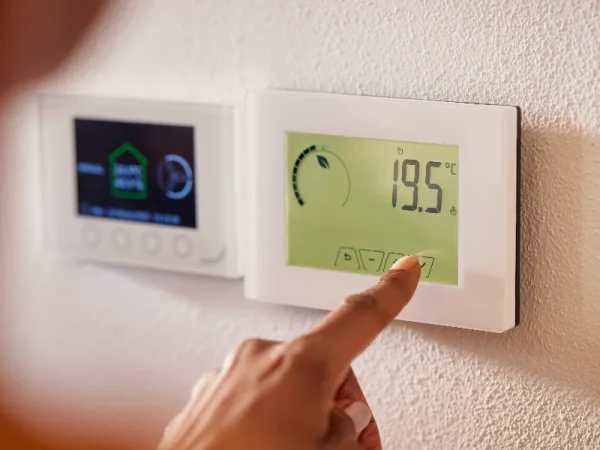
Set reasonable temperature changes rather than large jumps. Smart or programmable thermostats help manage recovery speeds and reduce unnecessary auxiliary use.
Improve Home Insulation and Seal Drafts
Air leaks force heating systems to work harder. Sealing windows, doors, and attic gaps helps your heat pump maintain temperature without backup support.
Keep Heat Pump Coils Clean and Clear
Outdoor coils need airflow to transfer heat effectively. Leaves, dirt, or snow restrict performance and trigger auxiliary heat more often.
Schedule Regular HVAC Maintenance
Professional inspections ensure sensors, coils, and controls work correctly throughout the heating season. Routine service also helps identify airflow issues, worn components, or calibration problems before they cause auxiliary heat to run longer than necessary. Skipping seasonal service often allows small performance losses to build up, which is why regular upkeep plays a key role in limiting backup heat use. This is also why you should never skip a heating tune-up, especially in homes that rely on heat pumps during winter.
When to Use Auxiliary Heat in Winter
Auxiliary heat plays a supporting role during winter, when outdoor conditions temporarily limit a heat pump’s performance. It helps stabilize indoor temperatures, prevents cold air from circulating, and reduces stress on the primary system during short periods of increased demand. Homeowners often notice it appears during specific weather patterns or operating cycles, which are normal responses designed to protect both comfort and equipment performance.
During Sudden Cold Fronts or Extreme Weather
Rapid temperature drops overwhelm heat pumps. Auxiliary heat stabilizes indoor comfort until weather conditions improve.
While the Heat Pump Is in Defrost Mode
Defrost cycles are essential for system health. Auxiliary heat ensures warm air continues circulating while ice melts outside.
When the Main Heating System Can’t Meet Demand
High ceilings, large spaces, or older homes may exceed heat pump capacity. Auxiliary heat supports consistent warmth during peak demand.
Common Issues With Auxiliary Heat Systems
Frequent or unexpected auxiliary heat activation can indicate underlying system, airflow, or control issues rather than regular winter operation. When these problems go unaddressed, they can reduce heating efficiency, increase energy use, and strain key components over time.
It Runs Constantly
Continuous auxiliary heat suggests the heat pump is underperforming. Causes may include refrigerant issues, airflow restrictions, or undersized equipment.
No Heat When It Activates
If auxiliary heat turns on without warm air, electrical components or heating elements may be faulty. This requires professional evaluation.
Thermostat Misreading or Calibration Errors
Incorrect temperature readings can trigger unnecessary auxiliary heat. Calibration problems often occur after improper installation or sensor aging.
Dirty Coils or Faulty Heat Pump Sensors
Blocked coils reduce heat transfer. Sensor failures confuse system logic, leading to frequent auxiliary engagement.
FAQs
What’s the Difference Between Emergency Heat and Auxiliary Heat?
Auxiliary heat turns on automatically with the heat pump. Emergency heat is manually activated when the heat pump fails.
Does Auxiliary Heat Use More Electricity?
Yes, auxiliary heat often relies on electric resistance heating. This consumes more energy than standard heat pump operation.
What Are the Drawbacks of Auxiliary Heat?
Higher energy use is the main drawback. Overuse may also indicate underlying system or insulation problems.
Call Anton Plumbing Heating & Cooling for Thermostat Repair in Northern and Central New Jersey
Auxiliary heat is a helpful feature, but frequent activation should never be ignored. Knowing how and when it works helps you manage comfort and energy use with confidence. If your thermostat shows auxiliary heat too often, or your home feels unevenly heated, professional help matters. Anton Plumbing Heating & Cooling provides trusted thermostat diagnostics, heat pump service, and system optimization across Northern and Central New Jersey. Contact our team today to make sure your heating system works efficiently and reliably all winter.