Is a Furnace Part of an HVAC System?
Heating and cooling systems are often discussed as one unit, yet many homeowners are unsure how the individual components actually work together. One very common question homeowners ask is whether a furnace is part of HVAC. This confusion can make routine maintenance, repair decisions, and system upgrades harder than they need to be. Understanding how heating equipment connects with ventilation and air conditioning helps you protect comfort and energy efficiency.
Is a Furnace Part of the HVAC?
HVAC stands for Heating, Ventilation, and Air Conditioning. These systems work together to manage indoor temperature and airflow. Understanding their relationship helps you make better repair and replacement choices. Many homes use a furnace for heating while sharing ductwork and airflow components with the cooling system. Because these parts work together, homeowners often wonder whether the furnace is part of the HVAC system.
Common Types of HVAC Systems With Furnaces
Several HVAC designs include furnaces as the main heating source. Each option changes how heat moves and how components interact. Knowing these layouts helps you understand performance, efficiency, and maintenance needs.
Split Systems With Separate Furnace and AC Units
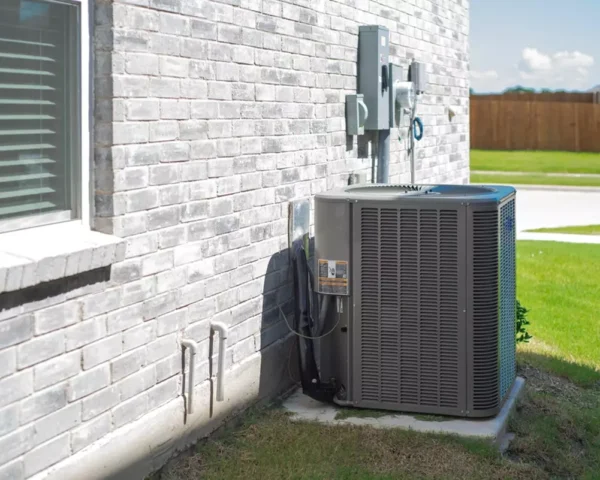
Split systems place the furnace indoors and the air conditioner outdoors. The furnace heats air, while the AC cools it. Both systems share ductwork and a blower, which improves airflow control.
Hybrid Systems Combining Electric and Gas Heating
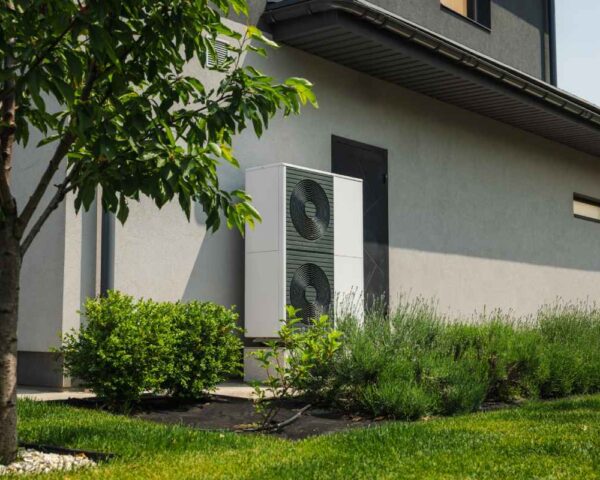
Hybrid systems switch between electric heat pumps and gas furnaces. This setup uses electric heating during mild weather. Gas heat takes over during colder conditions for better efficiency.
How a Furnace Works Within an HVAC System
A furnace generates heat using gas, oil, or electric elements. Because it works closely with ducts, blowers, and ventilation systems, many homeowners wonder whether HVAC includes a furnace when planning maintenance or upgrades. The heat exchanger safely warms the air, and the blower moves it through the ducts to maintain consistent temperatures. Ventilation components like flue pipes, intake vents, and safety sensors regulate airflow and exhaust, ensuring efficient operation and indoor air quality.
Advantages of Having a Furnace as Part of the HVAC System
Combining heating and cooling equipment offers practical benefits for comfort and efficiency. While the furnace and air conditioner are separate components, this integration helps clarify questions homeowners often have, such as whether HVAC and furnace are the same in terms of system performance. When these systems share ductwork, controls, and airflow paths, temperature regulation becomes more consistent. This setup also simplifies operation and maintenance, since heating and cooling are designed to work together rather than as separate systems.
Efficient Year-Round Temperature Control
When a furnace is integrated into an HVAC system, it works in sync with the air conditioner and ventilation components. The thermostat continuously communicates with the furnace, enabling precise adjustments to heating output. This ensures smooth transitions between heating and cooling modes without sudden temperature swings.
As per the to the University of Michigan’s Center for Sustainable Systems, heating and cooling together account for about 45% of a typical U.S. home’s total energy use. This highlights why maintaining an efficient, coordinated system is critical for energy savings and home comfort.
Consistent Air Distribution and Comfort
By sharing ductwork and a central blower, a furnace and HVAC system distribute air evenly throughout the home. This reduces hot and cold spots and ensures each room reaches the desired temperature efficiently. Properly designed airflow also regulates humidity, improving indoor air quality and reducing strain on the mechanical components of the system.
Lower Long-Term Maintenance Costs
An integrated system allows technicians to service both heating and cooling components simultaneously. Inspecting shared elements such as blowers, ductwork, and filters prevents minor issues from escalating. Over time, this coordinated maintenance approach lowers repair frequency and overall system wear, protecting your investment in home comfort.
Easier Integration With Smart Thermostats
Modern smart thermostats monitor both heating and cooling performance and adjust operation based on occupancy, outdoor temperature, and energy usage patterns. Furnaces integrated into HVAC systems respond seamlessly to these commands, improving efficiency and comfort. This precise control can lead to energy savings and prolong the lifespan of both the furnace and AC equipment.
Signs the HVAC System’s Furnace Needs Repair
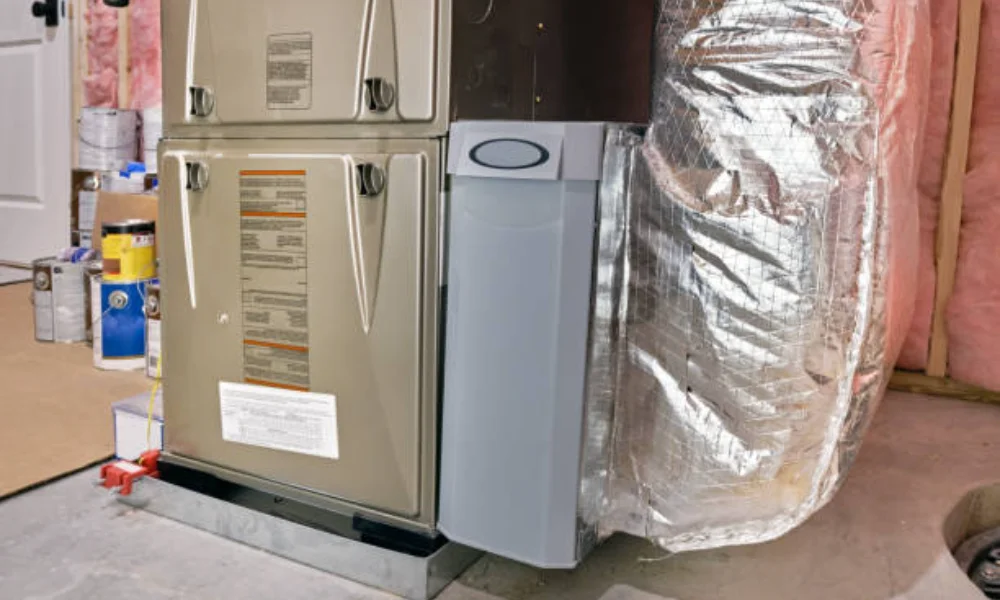
A furnace is one of the most critical components of a home’s heating system, and any malfunction can affect the performance of your HVAC setup. Recognizing early warning signs can prevent small problems from turning into costly repairs. Changes in airflow, unusual noises, or inconsistent temperatures often indicate that internal components such as the blower, heat exchanger, or safety sensors may be failing. Timely attention not only maintains comfort but also ensures energy efficiency, reduces strain on other system parts, and protects indoor air quality throughout the heating season.
Uneven Heating or Weak Airflow
Some rooms may feel colder than others. Weak airflow often points to blower or duct issues. These problems reduce system efficiency and comfort.
Strange Noises or Burning Odors
Unusual sounds from your furnace, such as rattling, banging, or buzzing, often indicate mechanical wear or loose components. Burning or acrid odors may signal dust accumulation on heating elements, electrical faults, or failing insulation. These warning signs can point to potential safety hazards, including overheating or electrical fires. Because furnaces involve combustion or high-voltage components, professional inspection is essential to diagnose the source and prevent serious damage or risk to occupants.
Rising Energy Bills With No Usage Change
If your energy bills increase without a corresponding rise in usage, it may indicate that the furnace is losing efficiency. Worn or dirty components, such as the blower motor, heat exchanger, or air filters, force the system to run longer to maintain desired temperatures. This not only drives up costs but also accelerates system wear.
Frequent Cycling or System Shutdowns
Short cycling happens when the furnace repeatedly turns on and off, often due to clogged air filters, thermostat issues, or malfunctioning safety sensors. Frequent cycling puts extra strain on the blower, ignition system, and other internal components, shortening their lifespan. In some cases, safety mechanisms may force the system to shut down entirely to prevent overheating or other hazards. Early identification of these patterns allows technicians to correct the root cause before major repairs are needed.
Some homeowners notice moisture issues during furnace operation. A detailed explanation appears in this guide on “can a furnace leak water“, which explains causes and safety concerns.
FAQs
What Is the Most Expensive Part of an HVAC?
The compressor and furnace heat exchanger are often the most expensive. These components handle heavy workloads. Replacement requires skilled labor and proper system matching.
Will the AC Work If the Furnace Is Broken?
In many systems, the blower sits inside the furnace. If the furnace fails, airflow stops. This prevents the AC from cooling effectively.
Can I Replace the Furnace Without Replacing the AC?
Yes, but compatibility matters. The new furnace must match the existing AC capacity. Proper sizing ensures efficiency and comfort.
Call Anton Plumbing Heating & Cooling for Furnace Installation Services in Old Bridge
Properly integrating a furnace into your HVAC system is essential for maintaining consistent comfort, energy efficiency, and long-term system reliability. Understanding how the components work together and recognizing early indicators of wear or malfunction can prevent costly repairs and keep your home safe. If you need expert furnace installation or service, trust Anton Plumbing Heating & Cooling. Our team understands HVAC design and local comfort needs. Contact them today to schedule professional furnace support in Old Bridge.